
STLTG Expert Guide: Essential Winter Maintenance for Excavators
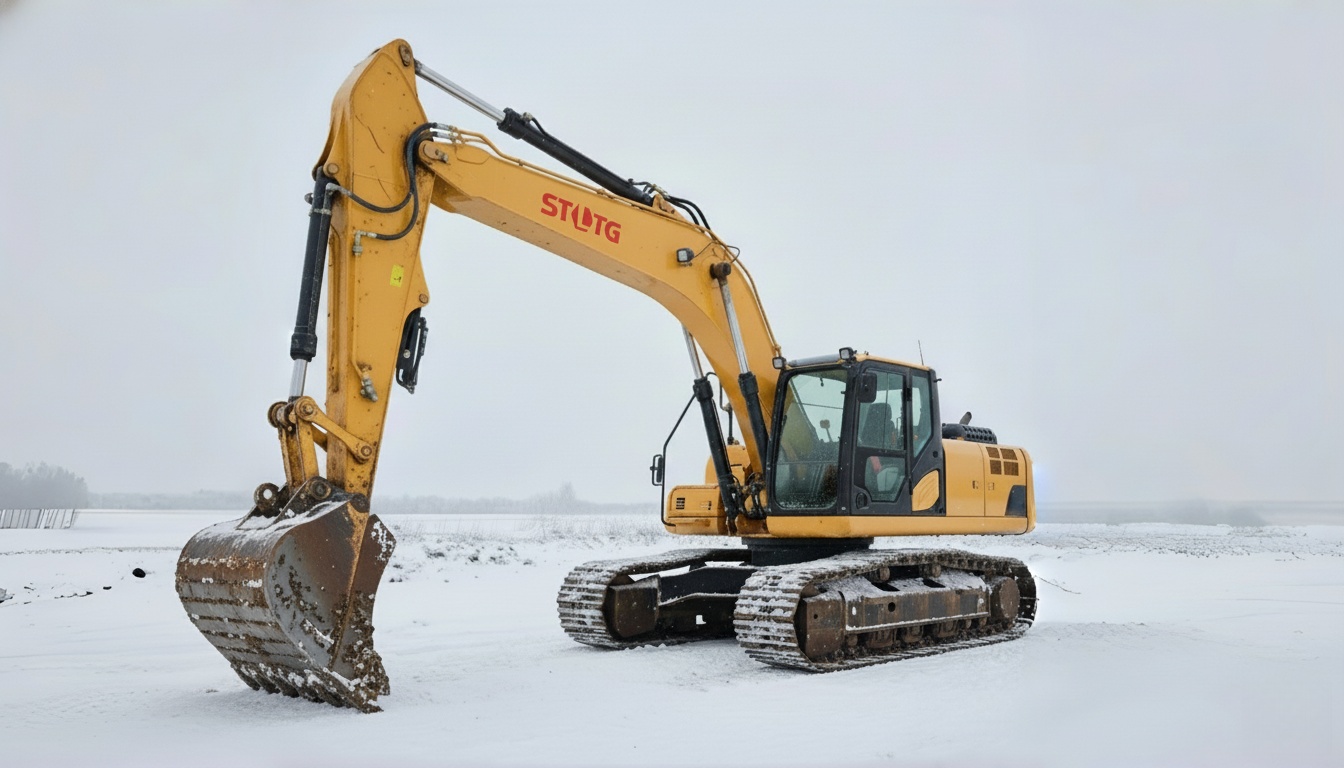
As temperatures plummet across the Northern Hemisphere, harsh winter conditions pose significant challenges to the operation and maintenance of heavy machinery, especially excavators. For construction companies relying on excavators for critical projects, neglecting winter maintenance can lead to equipment failure, costly downtime, and substantial economic losses.
STLTG, with years of deep cultivation in the heavy machinery sector, understands the paramount importance of equipment reliability to your business. We proudly offer this professional guide, detailing the crucial steps for excavator winter maintenance, to ensure your STLTG excavators continue to deliver high-efficiency and stable performance even in severe cold.
Pre-Startup Inspection: The Cornerstone of Preventive Maintenance
Low winter temperatures exacerbate component wear and affect fluid performance. Therefore, a comprehensive and meticulous inspection before starting your excavator each day is absolutely vital.
- Cooling System Check & Maintenance:
- Antifreeze Concentration: Check the freezing point of the antifreeze (recommended to be 5-10℃ lower than the local winter minimum temperature) to ensure it can withstand extreme low temperatures. Always use high-quality, long-life antifreeze and check its level. If the antifreeze is low, replenish with the same brand and type; strictly avoid mixing different specifications of antifreeze to prevent precipitation and corrosion within the cooling system.
- Cooling Hoses & Radiator: Inspect all cooling hoses for cracks, aging, or leaks, and ensure radiator fins are clean and free of blockages. Damaged hoses can lead to coolant loss and engine overheating.
- Fuel System Anti-Gelling Measures:
- Diesel Fuel Grade: Select diesel fuel with an appropriate pour point according to local winter minimum temperatures (e.g., for winter temperatures of -10℃ to -20℃, use -20# diesel; for temperatures below -20℃, use -35# or -50# diesel). This prevents fuel gelling or waxing that can clog fuel lines and filters.
- Water Separator: Drain any accumulated water from the fuel water separator daily to prevent it from freezing at low temperatures and blocking the fuel system.
- Hydraulic System & Lubrication:
- Hydraulic Oil Selection: Based on ambient temperature, replace or ensure the use of “low-temperature anti-wear hydraulic oil” (prioritize low-viscosity hydraulic oil, such as ISO VG 32 or 46, as recommended in your equipment manual). Low temperatures can drastically increase the viscosity of regular hydraulic oil, affecting hydraulic system response and work efficiency, potentially even damaging the hydraulic pump.
- Grease: Replenish all lubrication points (e.g., pins, bushings, swing bearings) with “low-temperature extreme-pressure grease” to ensure smooth movement of active components in cold conditions.
- Battery & Electrical System:
- Battery Inspection: Low temperatures significantly reduce battery capacity and starting current. Check the electrolyte level of non-maintenance-free batteries (should be between the upper and lower marks) and ensure battery terminals are clean, tight, and free of corrosion. Recharge the battery or install an insulation cover as necessary to prevent freeze damage.
- Circuit Inspection: Check all cables, connectors, and sensors for wear, corrosion, or looseness to ensure proper functioning of the electrical system.
During Operation: Adapting Driving Strategies to Cold Environments
- Warm-Up Startup:
- Engine Warm-Up: After starting the engine in cold weather, avoid immediate high-load operation. Allow the engine to idle for at least 5-10 minutes until water and oil temperatures reach their normal operating range before gradually increasing RPMs.
- Hydraulic System Warm-Up: Slowly operate various hydraulic actuators (e.g., boom, arm, bucket) to circulate hydraulic oil throughout the system. This gradually raises the hydraulic oil temperature and reduces its viscosity, preventing sudden high-viscosity operation from impacting the hydraulic pump.
- Avoid Prolonged Idling: While warming up is necessary, prolonged engine idling not only wastes fuel and leads to carbon buildup but also fails to effectively raise system operating temperatures. Once normal operating temperature is reached, proceed with regular operations.
- Proper Parking:
- Choose a Sheltered Spot: Whenever possible, park the excavator in a sheltered, sun-exposed area to reduce wind chill effects.
- Track/Tire Maintenance: For track-type excavators, try to park on firm, dry ground to prevent tracks from freezing to wet or icy surfaces. After stopping, clear ice, snow, and mud from track crevices. For wheel-type excavators, check tire pressure (low temperatures reduce pressure, so inflate to the standard pressure specified in the equipment manual) to avoid low tire pressure affecting driving and operational safety.
Shut Down & Storage: Ensuring Equipment Safety Through Winter
- Thorough Cleaning: Before shutting down, thoroughly remove mud, snow, and ice from the excavator’s surface, especially around the travel mechanism and swing bearing. This prevents melting ice and snow from refreezing, which can seize components or cause corrosion.
- Cylinder Protection:
- Fully Retract Cylinders: Fully retract all hydraulic cylinders (boom, arm, bucket cylinders) so that the piston rods are completely inside the cylinder body. This protects the piston rods from exposure to corrosion or freezing damage.
- Surface Oiling: For equipment requiring occasional longer-term storage, apply a layer of anti-rust oil to exposed piston rod surfaces.
- Long-Term Storage Measures:
- Draining & Protection: If the excavator needs to be stored for an extended period, drain liquids from the cooling and fuel systems as per the equipment manual. The hydraulic system does not require forced draining; instead, inject a dedicated hydraulic system anti-rust agent and properly seal all pipeline interfaces to prevent moisture intrusion.
- Cover Protection: Use a waterproof cover or tarpaulin to protect the excavator from wind and snow erosion.
Rigorous and detailed winter maintenance is paramount for extending excavator lifespan, ensuring construction efficiency, and reducing operating costs. By following the maintenance recommendations compiled by the STLTG expert team, you will be better equipped to tackle winter challenges and ensure your excavators deliver outstanding performance in any harsh environment.
This guide is adapted for the cold winter conditions of the Northern Hemisphere. Specific maintenance standards may require further adjustment based on local minimum temperatures and equipment models. STLTG can provide customized maintenance solutions. If you have any questions about winter maintenance for excavators or need professional service support from STLTG, please feel free to contact us.