
Optimizing Heavy Equipment for Mining & Infrastructure in Africa (2026)
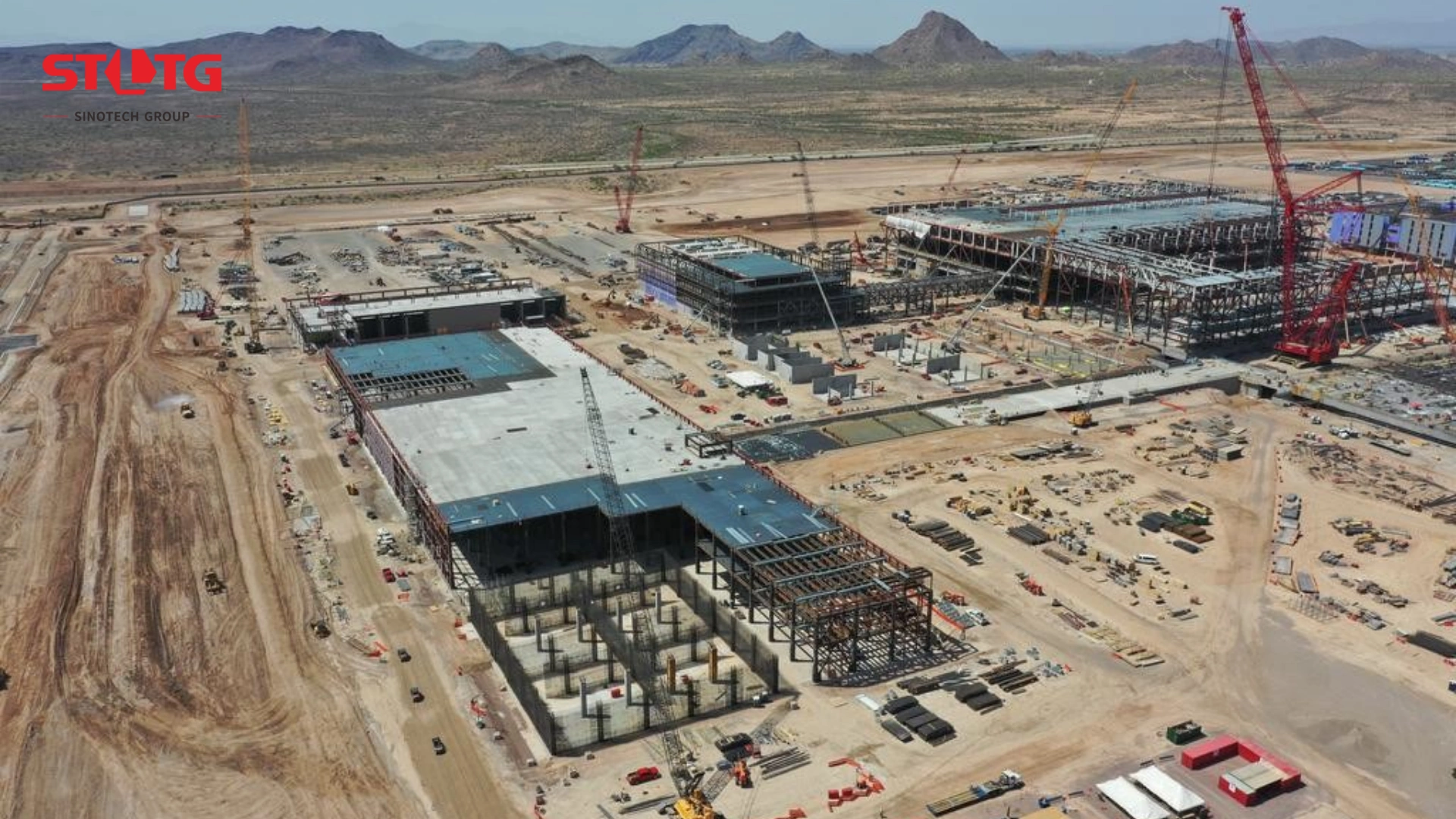
The African continent is currently undergoing one of the most significant infrastructure and mining booms in history. From the copper belts of Zambia to the road networks of West Africa, the demand for heavy machinery is skyrocketing.
However, international procurement managers often face a critical disconnect: equipment designed for the pristine highways of Europe or the mild climates of East Asia often fails prematurely in the rugged terrains of Africa.
For construction firms and mining operators, the strategy for 2025 is not just about buying horsepower; it is about buying adaptability. Based on data from over a decade of export operations, here is a technical breakdown of the three non-negotiable factors that determine equipment longevity in the African market.
The Fuel Quality Dilemma: Filtration vs. Calibration
One of the most frequent causes of unplanned downtime in African mining operations is fuel system failure. While global standards are moving towards Euro V and VI emissions, fuel quality in remote regions remains a variable. High sulfur content, water contamination, and particulate impurities are operational realities.
Instead of relying on fragile systems designed for sterile environments, machinery optimized for Africa must prioritize tolerance.
- Three-Stage Filtration System: A standard single water separator is insufficient. The gold standard for this market is a multi-stage system:
- Heavy-duty Pre-filter/Water Separator: Removes bulk water and large debris.
- Primary Filter: Protects the transfer pump.
- Secondary Fine Filter: Captures particles down to 4-5 microns. Note: While finer filtration exists, a 4-5 micron balance ensures high dirt-holding capacity, preventing the filter from clogging every few hours.
- Adaptive Engine Calibration: Leading manufacturers are now offering engines with specialized ECU mapping. These are calibrated to handle diesel with varying cetane numbers and higher sulfur content, significantly reducing the risk of injector failure compared to standard Western configurations.
Structural Integrity: Material & Welding Standards
African terrain presents a unique challenge: unpaved, undulating haul roads. In a quarry or mine, a wheel loader or excavator is subjected to constant torsional stress that goes far beyond static load bearing.
Buyers must scrutinize the steel grades used in chassis construction. Standard mild steel (often found in budget machinery) risks fatigue cracking under constant vibration.
- The Standard: Equipment optimized for this region utilizes High-Strength Low-Alloy (HSLA) steel.
- What to Look For: Verify that frames are constructed with materials equivalent to ASTM A572 Grade 50 or EN S355. These materials offer significantly higher yield strength and impact toughness than standard Q235 or mild construction steel.
The Welding Factor: Consistency is Key
Even the best steel will fail if the bond is weak. Manual welding, subject to human fatigue, often leads to inconsistent seam quality.
- Robotic Precision: Prioritize machinery built with robotic welding lines. This technology ensures consistent penetration depth and thermal control, eliminating the micro-cracks that typically propagate into major structural failures at articulation points.
- Reinforced Articulation: Ensure hinge pins and bearings are oversized to handle the increased friction from dust ingress and heavy loads.
Heat and Dust: The Cooling & Air Intake Ecosystem
In regions like the Sahel or the Namib Desert, ambient temperatures frequently exceed 45°C (113°F). Standard cooling systems designed for temperate zones often lead to overheating and engine derating.
- Wide-Fin Radiators: High-density, automotive-style radiators clog easily with chaff and dust. The preferred design for Africa features wide fin spacing. This allows debris to pass through and makes daily cleaning with compressed air significantly easier.
For the engine, a simple paper filter is a death sentence in dusty mines.
- Cyclonic Pre-Cleaners: The most reliable machines feature a Cyclonic Pre-Cleaner (or an Oil-Bath system in extreme cases). This system uses centrifugal force to separate up to 90% of heavy dust before it even reaches the main air filter element. This simple addition can double or triple the lifespan of your expensive filter elements.
The Economic Shift: Total Cost of Ownership (TCO)
In 2025, smart procurement is moving away from “Lowest Initial Price” to “Lowest Cost Per Hour.”
When a machine goes down in a remote region, the cost isn’t just the repair—it’s the halted production line. Supply chain resilience is now part of the product.
- Parts Interchangeability: Does the machine use proprietary parts that take weeks to ship, or does it utilize industry-standard components (hoses, filters, teeth) available in local African hubs?
- Mechanical Simplicity: While electronics improve efficiency, excessive sensors can become liabilities in remote areas. A balance of modern efficiency with mechanical serviceability is often the most profitable path for remote sites.
The African market does not forgive average equipment. When evaluating your next fleet addition, look beyond the glossy brochure.
Ask your supplier for the filtration micron rating, verify the steel yield strength standards, and check the radiator fin design. In the harsh environments of the continent, these technical details are what define your project’s profitability.
Need technical specifications?