
Asfaltinstallatie
Asfaltinstallaties van SinoTech Luton zorgen voor nauwkeurige bewaking en aanpassing van de mengselcomponenten voor consistente en betrouwbare asfaltkwaliteit. Bovendien is onze asfaltinstallatie ontworpen voor schaalbaarheid, waardoor eenvoudige uitbreiding mogelijk is om te voldoen aan groeiende projectbehoeften.
Onze asfaltinstallaties genieten grote populariteit vanwege:
> Kostenbesparende oplossing
> 26 modellen voor grote en kleine projecten
> Hoge productiecapaciteit
> Hoge investeringsrendementsratio
Wij zijn toegewijd om onze klanten een betrouwbare en kostenbesparende oplossing te bieden voor hun behoeften op het gebied van asfaltproductie.
Vraag nu een gratis offerte aan!

Asfaltinstallatie
Een asfaltinstallatie is ontworpen voor de productie van asfalt, dat wordt gebruikt voor het aanleggen van wegen, snelwegen en diverse bouwprojecten. Een asfaltinstallatie is een faciliteit die is ontworpen voor de productie van asfalt, dat wordt gebruikt voor het aanleggen van wegen, snelwegen en diverse bouwprojecten. Investeren in asfalt is een strategische keuze vanwege de hoge vraag in wegconstructie, infrastructuurontwikkeling, duurzaamheid, recycleerbaarheid, tastbare activawaarde en potentieel inkomstengeneratie.
Uitvoercapaciteit:
40 – 320 t/u
Mengcapaciteit:
750 – 5000 kg/partij
Wat is een asfaltinstallatie?
Een asfaltinstallatie, ook wel asfaltmenginstallatie genoemd, is een faciliteit die wordt gebruikt voor de productie van asfaltpavimentmateriaal. Hierbij worden diverse aggregaten (zoals zand, grind en gebroken steen) gecombineerd met asfaltbindmiddel (meestal bitumen genoemd) om asfaltbeton te vormen.
Bij een asfaltinstallatie begint het proces met het drogen en verwarmen van de aggregaten in een roterende trommel of droger. Hierdoor wordt vocht uit de aggregaten verwijderd en wordt gewaarborgd dat ze op de juiste temperatuur zijn voor optimale asfaltmixing.
Zodra de aggregaten zijn verwarmd, worden ze naar een mengkamer getransporteerd waar ze worden gecombineerd met het asfaltbindmiddel. Het bindmiddel bedekt de aggregaten en vormt een kleverige massa, bekend als asfaltbeton.
Het mengsel wordt vervolgens naar opslagbunkers of vrachtwagens getransporteerd voor verdere toepassing bij wegconstructie of andere asfaltgerelateerde toepassingen. Sommige asfaltinstallaties kunnen ook verschillende asfaltmengsels produceren, waaronder warm asfaltmengsel (HMA), laagtemperatuurasfalt (WMA) en koud asfaltmengsel (CMA), afhankelijk van de specifieke projectvereisten.
Over het algemeen spelen asfaltinstallaties een cruciale rol bij de productie van hoogwaardig asfaltpavimentmateriaal voor de bouw en onderhoud van wegen, snelwegen, parkeerplaatsen en andere bestrate oppervlakken.
Populaire asfaltinstallatiemodellen
SinoTech Luton presenteert de asfaltinstallatie, met superieure kwaliteitsmengsels die voldoen aan de industrienormen. Onze geavanceerde technologie maximaliseert efficiëntie en waarborgt consistente kwaliteit met flexibele aanpassingsmogelijkheden.
Hieronder vindt u vier soorten asfaltinstallaties die momenteel te koop zijn, waaronder:
– Stationaire asfaltmenginstallatie
– Mobiele asfaltmenginstallatie
– Continue asfaltmenginstallatie
– Eenvoudige asfaltmenginstallatie (batch)
Het kiezen van het juiste type en de juiste capaciteit van een asfaltinstallatie is essentieel om aan projectspecifieke behoeften te voldoen, kosten te optimaliseren, de productie-efficiëntie te verbeteren, flexibiliteit te bieden en langetermijnplanning mogelijk te maken. Door de installatie af te stemmen op de projectvereisten wordt overinvestering of knelpunten voorkomen, wat kostoptimalisatie en tijdige oplevering waarborgt.
Bekijk nu alle asfaltinstallatietypen en -series met verschillende capaciteiten voor uw lopende projecten.

STLTG-stationaire asfaltinstallatie
Modellen:
LB1000-LB4000
Bunkerinhoud:
4×4,5 m³-6×15 m³
Uitvoercapaciteit:
80–320 t/u
Stationaire asfaltmenginstallaties zijn in staat om aanzienlijke hoeveelheden warm asfaltmengsel per uur te produceren, waardoor een stabiele en voldoende aanvoer van asfalt voor grootschalige bouwoperaties wordt gewaarborgd.
Hun uitvoercapaciteit kan oplopen tot 320 t/u en de capaciteit van de transportband tot 360 t/u. Ze worden veelvuldig toegepast bij wegconstructie, landingsbanen op luchthavens, parkeerplaatsen en diverse gemeentelijke en industriële projecten.
Aanbevolen modellen:
LB-1500-asfaltinstallatie voor grote projecten
LB-800-asfaltinstallatie voor een kostenbesparende keuze
LB-500 stationaire asfaltmenginstallatie

Uitvoercapaciteit: 40 t/u
Bunkerinhoud: 4×4,5 m³
LB-800 stationaire asfaltmenginstallatie

Uitvoercapaciteit: 60 t/u
Bunkerinhoud: 4×6,5 m³
LB-1000 stationaire asfaltmenginstallatie

Uitvoercapaciteit: 80 t/u
Bunkerinhoud: 4×7,5 m³
LB-1200 stationaire asfaltmenginstallatie

Uitvoercapaciteit: 100 t/u
Bunkerinhoud: 4 × 4,7 m³
LB-1600 Stationaire asfaltmenginstallatie

Uitvoercapaciteit: 120 t/u
Bunkerinhoud: 4×7,5 m³
LB-2000 Stationaire asfaltmenginstallatie

Uitvoercapaciteit: 160 t/u
Bunkerinhoud: 5 × 12 m³
LB-2500 Stationaire asfaltmenginstallatie

Uitvoercapaciteit: 200 t/u
Bunkerinhoud: 5 × 12 m³
LB-3000 Stationaire asfaltmenginstallatie

Uitvoercapaciteit: 240 t/u
Bunkerinhoud: 5 × 12 m³
LB-4000 Stationaire asfaltmenginstallatie
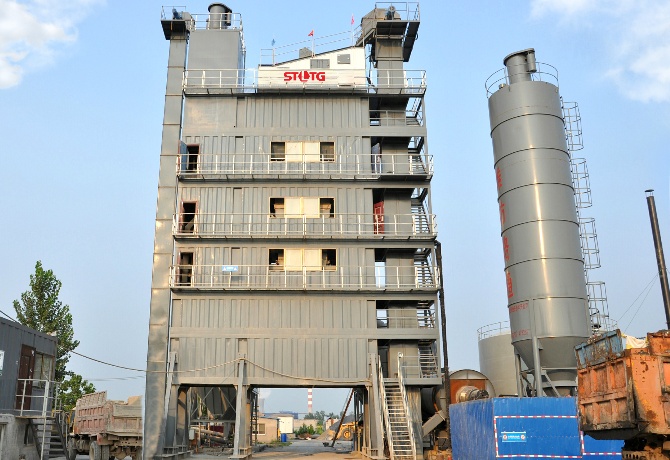
Uitvoercapaciteit: 320 t/u
Bunkerinhoud: 6 × 15 m³

STLTG Mobiele asfaltinstallatie
Modellen:
LBQY60-LBQY160
Bunkerinhoud:
4 × 4,5 m³ – 5 × 8 m³
Uitvoercapaciteit:
60–160 t/u
Mobiele asfaltinstallaties zijn ontworpen om eenvoudig te kunnen worden vervoerd en op te zetten op verschillende werklocaties, waardoor ze ideaal zijn voor projecten die regelmatig verhuizen.
Ze elimineren de noodzaak van extra vervoers- en logistiekkosten, aangezien ze eenvoudig naar meerdere werklocaties kunnen worden verplaatst. Ze hebben ook lagere initiële investerings- en bedrijfskosten.
Aanbevolen modellen:
LBQY-60 Mobiele asfaltinstallatie voor kleine projecten
LBQY-120 Mobiele asfaltinstallatie voor efficiënte asfaltmengselproductie
LBQY-60 Mobiele asfaltmenginstallatie

Uitvoercapaciteit: 60 t/u
Bunkerinhoud: 4×4,5 m³
LBQY-80 Mobiele asfaltmenginstallatie

Uitvoercapaciteit: 80 t/u
Bunkerinhoud: 4×6,5 m³
LBQY-100 Mobiele asfaltmenginstallatie

Uitvoercapaciteit: 100 t/u
Bunkerinhoud: 4×6,5 m³
LBQY-120 Mobiele asfaltmenginstallatie

Uitvoercapaciteit: 120 t/u
Bunkerinhoud: 4×6,5 m³
LBQY-160 Mobiele asfaltmenginstallatie

Uitvoercapaciteit: 160 t/u
Bunkerinhoud: 5 × 8 m³

STLTG Eenvoudige asfaltinstallatie
Modellen:
LY10-LY20
Mengtrommelinhoud:
1500 l – 3000 l
Uitvoercapaciteit:
10–20 t/u
Eenvoudige asfaltmenginstallaties hebben doorgaans lagere initiële investeringskosten dan geavanceerdere en complexere installaties. Ze zijn een kosteneffectieve optie, met name voor kleinschalige projecten of projecten met beperkte budgetten.
Ze kunnen worden ingezet voor tijdelijke bouwprojecten met een korte duur of onzekere planning. Denk hierbij aan tijdelijke wegconstructies voor evenementen, toegangswegen naar bouwterreinen of tijdelijke omleidingen.
Aanbevolen modellen:
LYJ-20 Eenvoudige asfaltinstallatie voor tijdelijke projecten
LYJ-60 Eenvoudige asfaltinstallatie voor lokaal bouwen
LYJ-10/20 Eenvoudige asfaltmenginstallatie

Uitvoercapaciteit: 10–20 t/u
Opbergbak voor afgewerkt asfalt: 2 t
LYJ-30/40 Eenvoudige asfaltmenginstallatie

Uitvoercapaciteit: 30–40 t/u
Opbergbak voor afgewerkt asfalt: 5 t
LYJ-40/50 Eenvoudige asfaltmenginstallatie

Uitvoercapaciteit: 40–50 t/u
Opbergbak voor afgewerkt asfalt: 10 t
LYJ-60/80 Eenvoudige asfaltmenginstallatie

Uitvoercapaciteit: 60–80 t/u
Opbergbak voor afgewerkt asfalt: 20 t

STLTG Continue trommelasfaltinstallatie
Modellen:
LBD20-LBD100
Systeem voor het toevoezen van koud aggregaat
3,5 m³×3 – 6,5 m³×4
Uitvoercapaciteit:
20–100 t/u
Continue asfaltmenginstallaties werken efficiënt, aangezien ze continu aggregaten toevoeren en deze mengen met asfaltspecie. Dit leidt tot een consistente en uniforme mengselkwaliteit, wat zorgt voor een hoogwaardige asfaltproductie.
Continue asfaltmenginstallaties kunnen een breed scala aan asfaltmengontwerpen en -soorten verwerken, waaronder warm asfaltmengsel (HMA), warm gemengd asfalt (WMA) en koud gemengd asfalt (CMA).
Aanbevolen modellen:
Continue asfaltinstallatie LBD-80 voor modulaire installatieopstellingen
Continue asfaltinstallatie LBD-100 voor langdurige projecten
Continue trommelasfaltmenginstallatie LBD-20

Productiecapaciteit: 20 t/u
Systeem voor het toevoezen van koud aggregaat: 3,5 m³×1
Continue trommelasfaltmenginstallatie LBD-25

Productiecapaciteit: 25 t/u
Systeem voor het toevoezen van koud aggregaat: 3,5 m³×1
Continue trommelasfaltmenginstallatie LBD-40

Uitvoercapaciteit: 40 t/u
Systeem voor het toevoezen van koud aggregaat: 4 m³×4
Continue trommelasfaltmenginstallatie LBD-60

Uitvoercapaciteit: 60 t/u
Systeem voor het toevoezen van koud aggregaat: 4 m³×4
Continue asfaltmenginstallatie LBD-80
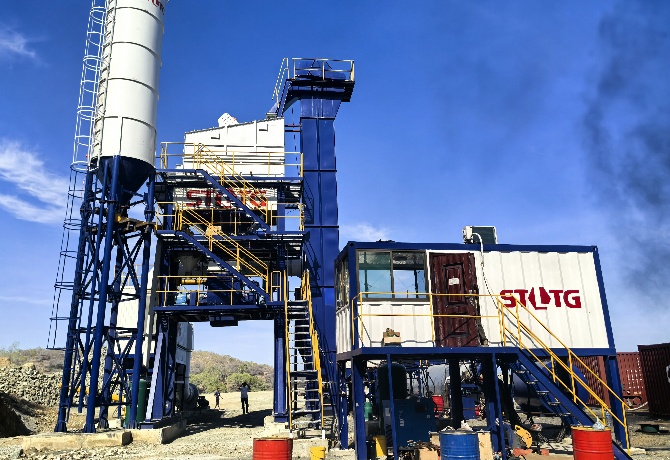
Uitvoercapaciteit: 80 t/u
Systeem voor het toevoezen van koud aggregaat: 6,5 m³×4
Continue asfaltmenginstallatie LBD-100

Uitvoercapaciteit: 100 t/u
Systeem voor het toevoezen van koud aggregaat: 6,5 m³×4
Hoe wordt de terugverdientijd van asfaltinstallaties berekend?
De terugverdientijd (ROI) van een asfaltinstallatie kan variëren afhankelijk van diverse factoren, zoals de initiële investeringskosten, de productiecapaciteit, de marktvraag, de bedrijfskosten en de efficiëntie van de installatie.
De aanschaf van een asfaltmenginstallatie vormt in feite minder dan 2% van de totale investering. De inkoopkosten van aggregaten en bitumen maken meer dan 75% van de totale kosten uit, gevolgd door brandstof, die ongeveer 12% vertegenwoordigt.
Met andere woorden kan een asfaltmenginstallatie een onverwachte terugverdientijd opleveren door de kosten voor brandstof en grondstoffen te verminderen, terwijl de productieomvang en kwaliteit van het eindasfaltmengsel gewaarborgd blijven.
Technische specificaties van asfaltinstallaties
Gedetailleerde technische specificaties van stationaire asfaltinstallaties:
| Parameters Model | LB-1000 | LB-1500 | LB-2000 | LB-3000 | LB-4000 | LB-5000 |
| Breedte (mm) van de voederband | 500 | 500 | 600 | 650 | 650 | 800 |
| Transportcapaciteit (t/u) (instelbaar) van de voeder | 60-180 | 60-200 | 60-200 | 60-360 | 60-360 | 60-500 |
| Aantal voederbakken (st.) | 4 | 5 | 5 | 6 | 6 | 6 |
| Volume van de skeletmateriaalbak van de voeder | 4/32 m³ | 5/40 m³ | 5/40 m³ | 6/60 m³ | 6/60 m³ | 6/90 m³ |
| Breedte van de transportband | 500 | 650 | 650 | 800 | 800 | 800 |
| Diameter van de verwarmingscilinder (m) | 1.65 | 1.85 | 2.2 | 2.5 | 2.75 | 2.8 |
| Lengte (m) van de verwarmingscilinder | 7 | 7.5 | 9.1 | 9.5 | 10.2 | 12 |
| Productiviteit (t/u) van de verwarmingscilinder (watergehalte 5%) | 100 | 140 | 180 | 265 | 380 | 480 |
| Heuvelcapaciteit (t/u) van de hefinstallatie voor heet materiaal | 120 | 140 | 180 | 265 | 340 | 450 |
| Productiviteit (un) van het trilzeef voor heet materiaal | 120 | 140 | 180 | 260 | 340 | 450 |
| Opbrengst (kg) per mengpot | 1000 | 1500 | 2000 | 3000 | 4000 | 5000 |
| Mengtijd (s) (instelbaar) | 30-60 | 30-60 | 30-60 | 30-60 | 30-60 | 30-60 |
| Volume van de bak voor gemengd materiaal | 40Onderlegd | 40Onderlegd | 60Onderlegd | 100Onderlegd | 100Onderlegd | 100Onderlegd |
| Losshoogte (m) van mengbak | 3.8 | 3.8 | 3.8 | 3.8 | 3.8 | 4.0 |
Gedetailleerde specificaties van mobiele asfaltinstallatie:
| Onderdelen | LBQY-60 | LBQY-80 | LBQY-100 | LBQY-120 | LBQY-160 |
| Installatiecapaciteit | 60 t/h | 80 t/h | 100 t/h | 120 t/h | 160 t/h |
| Systeem voor het toevoezen van koud aggregaat | |||||
| Houdercapaciteit | 4 × 4,5 m³ | 4 × 6,5 m³ | 4 × 6,5 m³ | 4 × 6,5 m³ | 5 × 8 m³ |
| Bandcapaciteit | 80 t/h | 100 t/h | 120 t/h | 140 t/h | 180 t/h |
| Droogsysteem | |||||
| Afmetingen droogtrommel | 1500 × 6000 mm | 1500 × 6600 mm | 1500 × 6600 mm | 1800 × 8000 mm | 1900 × 9000 mm |
| Droogcapaciteit | 60 – 80 t/h | 80 – 100 t/h | 100 – 120 t/h | 120 – 140 t/h | 160 – 180 t/h |
| Brander (olie) | 60–400 kg/h | 60–600 kg/h | 100–1000 kg/h | 100–1000 kg/h | 140 – 1400 kg/h |
| Brandstofverbruik (olie) | 6 – 7 kg/t | 6 – 7 kg/t | 6 – 7 kg/t | 6 – 7 kg/t | 6 – 7 kg/t |
| Mengtoren | |||||
| Zeef | 4 lagen | 4 lagen | 4 lagen | 4 lagen | 4/5 lagen |
| Toeweging aggregaat | 3 × 800 kg | 3 × 1000 kg | 3 × 1500 kg | 3 × 1500 kg | 3 × 2000 kg |
| Toeweging bitumen | 3 × 80 kg | 3x100 kg | 3x200 kg | 3x200 kg | 3x200 kg |
| Vulmachine met weegfunctie | 3x100 kg | 3x100 kg | 3x200 kg | 3x200 kg | 3x200 kg |
| Mengcapaciteit | 800 kg | 1000 kg | 1300 kg | 1500 kg | 2000 kg |
| Mengcyclus | 45 s | 45 s | 45 s | 45 s | 45 s |
| Stofafscheidingssysteem | |||||
| Filterinstallatie met zakfilter | 300 m² | 380 m² | 400 m² | 500 m² | 550 m² |
| Vermogen afzuigventilator | 30 kW | 45 kW | 55 kW | 2x45 kW | 2x55 kW |
| Asfaltemperatuur | 140 – 180 ℃ | 140 – 180 ℃ | 140 – 180 ℃ | 140 – 180 ℃ | 140 – 180 ℃ |
| Eindasfalttank (optioneel) | 15 ton | 30 ton | 30 ton | 30 ton | 60 ton |
| Totale vermogenscapaciteit | ≈185 kW | ≈270 kW | ≈300 kW | ≈390 kW | ≈500 kW |
Gedetailleerde specificaties van eenvoudige asfaltinstallatie:
| Model | LYJ-10 | LYJ-15 | LYJ-20 | LYJ-30 | LYJ-40 | LYJ-60 | LYJ-80 | |
| Productie | 10 t/u | 15 t/u | 20 t/u | 30 t/u | 40 t/u | 60 t/h | 80 t/h | |
| Vermogen | Stookolie | 48 kW | 59 kW | 68 kW | 106 kW | 132 kW | 146 kW | 186 kW |
| Steenkoolverbranding | 67 kW | 78 kW | 91 kW | 129 kW | 170 kW | 192 kW | 262 kW | |
| Systeem voor het toevoezen van koud aggregaat | 3 m³ × 3 | 3 m³ × 3 | 3 m³ × 3 | 5 m³ × 3 | 5 m³ × 3 | 5 m³ × 3 | 5 m³ × 4 | |
| Afgevulde asfaltopslagbak | 2 t | 5 t | 5 t | 9 t | 9 t | 9 t | 20 t | |
| Asfaltemperatuur | 120 – 180 ℃ | |||||||
| Brandstofverbruik | Stookolie | 5 – 7,5 kg/t | ||||||
| Steenkoolverbranding | 13 – 15 kg/t | |||||||
| Optie | Waterstofstfilter, zakstofilter, controlekamer, asfaltpot, mineraalmeeltank | |||||||
Gedetailleerde specificaties van de continue asfaltinstallatie:
| Model | LBD-20 | LBD-40 | LBD-60 | LBD-80 | LBD-100 | |
| Productie | 20 t/u | 45 t/u | 60 t/h | 80 t/h | 100 t/h | |
| Vermogen | Stookolie | 34 kW | 65 kW | 105 kW | 135 kW | 170 kW |
| Steenkoolverbranding | 40 kW | 75 kW | 120 kW | 165 kW | 200 kW | |
| Systeem voor het toevoezen van koud aggregaat | 3,5 m³ × 1 | 4 m³ × 4 | 4 m³ × 4 | 6,5 m³ × 4 | 6,5 m³ × 4 | |
| Afgevulde asfaltopslagbak | 3 t | 3 t | 7 t | 7 t | 9 t | |

. Kenmerken
De voordelen van onze asfaltinstallatie
De droogtrommel maakt gebruik van hoogwaardig thermisch isolatiemateriaal aan de buitenzijde en is bekleed met roestvrij staal, wat de isolatieprestaties waarborgt. En het gehele ontwerp is netjes en duidelijk;
De bitumentank is stevig en duurzaam. Er kunnen verschillende afmetingen en capaciteiten van bitumetanks worden geleverd op basis van de wensen van de klant. De bitumetank is voorzien van een isolatielaag van steenwol en een gegalvaniseerde plaat, waardoor warmteverlies maximaal wordt beperkt.
Het hydraulisch systeem is het hart van het materiaalafvoerproces. De wijdverspreide toepassing is te danken aan de mogelijkheid tot snelle ontlading, waardoor de bouwkosten aanzienlijk worden verlaagd;
Uniforme en exacte toevoer van koude aggregaten is noodzakelijk voor de productie van hoogwaardig asfaltmengsel. Onze bandtoevoerinstallatie is uitgerust met frequentieregeling, waarmee de snelheid kan worden aangepast aan de capaciteit en verhouding.
Het speciale trilzeef kan beter voldoen aan de eisen. En het zeefnet met hoge slijtvastheid (65 Mn) heeft een langere levensduur en lagere onderhoudskosten.
Hoofdcomponenten van een asfaltfabriek
De hoofdcomponenten van een asfaltfabriek omvatten doorgaans:
Systeem voor koude toevoer:Dit systeem bestaat uit hoppers of bakken die de aggregaten (zoals zand, grind en gebroken steen) opslaan en aan de fabriek leveren. De aggregaten worden doorgaans in verschillende compartimenten opgeslagen en kunnen worden geregeld en geproportioneerd op basis van de eisen van het mengselontwerp.
Droog- en verwarmingssysteem: De aggregaten moeten worden gedroogd en verwarmd om vocht te verwijderen voordat ze met bitumen worden gemengd. Dit gebeurt via een droogtrommel of een roterende droger, waarbij heet lucht wordt rondgeblazen om het droogproces te bevorderen.
Opslag- en verwarmingssysteem voor bitumen: Bitumen, een kleverige en viskeuze bindmiddel, is een cruciale component in asfaltmengsels. De fabriek vereist een opslagtank voor het opslaan en verwarmen van het bitumen voordat het aan het mengsel wordt toegevoegd. Verwarmingssystemen zorgen ervoor dat het bitumen in vloeibare toestand blijft voor een juiste menging.
Mengsysteem: Het mengsysteem combineert de verwarmde en gedroogde aggregaten met het bitumen om het asfaltmengsel te produceren. Het omvat doorgaans een mengmachine, die van verschillende typen kan zijn, zoals een dubbele-as-paddle- of een trommelmenger. De mengmachine zorgt ervoor dat de aggregaten en het bitumen grondig worden gemengd om een uniform en consistent asfaltmengsel te verkrijgen.
Controlesysteem: Het controlesysteem is verantwoordelijk voor het bewaken en regelen van de diverse processen en componenten van de asfaltfabriek. Het omvat elektronische besturingen, sensoren en software die de bedrijfsvoering, temperatuur, verhoudingen en andere parameters beheren om optimale prestaties en kwaliteit te garanderen.
Opslagsilo’s of -tanks: Zodra het asfaltmengsel is geproduceerd, wordt het opgeslagen in opslagsilo’s of -tanks om het warm te houden en direct beschikbaar te houden voor transport of asfaltering. De capaciteit van de opslagsilo’s kan variëren afhankelijk van de productiecapaciteit van de fabriek en de opslageisen.
Emissiecontrolesysteem: Om te voldoen aan milieuvoorschriften zijn asfaltfabrieken uitgerust met emissiecontrolesystemen. Deze systemen zijn ontworpen om schadelijke verontreinigingen die tijdens het productieproces kunnen ontstaan, op te vangen en te filteren.
Dit zijn de hoofdcomponenten van een asfaltfabriek; de specifieke configuratie en constructie kan variëren afhankelijk van de capaciteit van de fabriek, de productie-eisen en de gebruikte technologie.
Hoe werkt een hete asfaltfabriek?
Hieronder volgt een overzicht van de basisstappen in het productieproces van warm asfaltmengsel (WAM):
- Aggregaatlevering: Het proces begint met de levering van aggregaten, waaronder stenen, grind en zand. Deze aggregaten worden in gescheiden bakken opgeslagen om een consistente productie te waarborgen.
- Drogen van aggregaten: De aggregaten worden vervolgens via een transportband in een droogtrommel gevoerd. De droogtrommel wordt verwarmd door een brander, die kan werken op verschillende brandstoffen, zoals aardgas, diesel of steenkool. Het vocht in de aggregaten wordt verwijderd via directe warmteoverdracht, wat resulteert in droge, gedroogde en verwarmde aggregaten.
- Verwarming van aggregaten: De verwarmde aggregaten worden vervolgens via een lift naar het zeefdek gebracht. Op het zeefdek worden de aggregaten gesorteerd in verschillende korrelgrootten.
- Bitumendistributie: Bitumen, ook wel asfaltcement genoemd, wordt in een mengtoren gesmolten en verwarmd. Het verwarmde bitumen wordt vervolgens via een spuit- of sproeisysteem aan de droge aggregaten toegevoegd.
- Mengen en mengen: De verwarmde aggregaten en het bitumen worden vervolgens in een continu mengstation gemengd. Het mengproces wordt gestuurd door een computergestuurde besturing die een consistente mengsamenstelling en kwaliteit waarborgt.
- Verdichten en afwerken: Het WAM-mengsel wordt vervolgens naar een asfalteringsmachine overgebracht voor verdichten en afwerken. De asfalteringsmachine brengt het mengsel aan op het oppervlak, en het verkeerspatroon wordt gevormd door het mengsel te verdichten en af te werken.
- Kwaliteitscontrole: Kwaliteitscontrole is een essentieel aspect van de WAM-productie. Testapparatuur, zoals een intelligent verdichtingssysteem (IVS), wordt gebruikt om het productieproces te bewaken en te waarborgen dat het eindproduct voldoet aan de vereiste kwaliteitsnormen.
Welke soorten aggregaten verwerkt een bitumenfabriek?
Bij de productie van warm asfaltmengsel (WAM) worden verschillende soorten aggregaten gebruikt, waaronder:
- Stenen: Stenen zijn de grootste aggregaatdeeltjes en vormen de basis van het WAM-mengsel. Ze worden doorgaans uit steengroeves gehaald en in verschillende grootten gekliefd, van grof tot fijn.
- Grind: Grind is kleiner dan stenen en wordt gebruikt als vulmateriaal in het WAM-mengsel. Het wordt eveneens gekliefd en gesorteerd in verschillende grootten.
- Zand: Zand is het kleinste aggregaatdeeltje en wordt gebruikt om stabiliteit en verwerkbaarheid aan de HMA-mengsel te geven. Het wordt ook gebruikt om de andere aggregaatdeeltjes aan elkaar te binden.
- Bentoniet: Bentoniet is een soort klei die wordt gebruikt om de verwerkbaarheid van het HMA-mengsel te verbeteren. Het wordt in kleine hoeveelheden aan het mengsel toegevoegd om de aggregaatdeeltjes aan elkaar te binden en de stroming van het mengsel te verbeteren.
- Snelstollende zand: Snelstollende zand is een speciaal type zand dat wordt gebruikt in HMA-mengsels om hun verwerkbaarheid te verbeteren en hun droogtijd te verkorten. Het wordt in kleine hoeveelheden aan het mengsel toegevoegd om de droogtijd van het mengsel te verkorten en zijn verwerkbaarheid te verbeteren.
- Screenings: Screenings are the fines produced during the processing of HMA. They are used to improve the workability of the mix and to help bind the aggregate particles together.
- Crushed concrete: Crushed concrete is a recycled material that is sometimes used in HMA mixes. It is crushed and graded into different sizes and used to provide a stabilizing agent in the mix.
- Fly ash: Fly ash is a byproduct of coal combustion that is sometimes used in HMA mixes. It is added to the mix in small quantities to help improve its workability and reduce its drying time.
These aggregates are mixed with hot asphalt cement (also known as bitumen) in a precise ratio to create a homogeneous mixture that can be placed and compacted into a variety of roadway and pavement applications. The specific mixture design and the types and proportions of aggregates used will depend on the intended application and the project requirements.
What Is Gravel’s Ideal Size for Asphalt Mix
The ideal size of gravel for an asphalt mix depends on the specific application and the desired properties of the finished pavement. In general, the size of the gravel used in asphalt production falls into one of the following categories:
- Coarse Aggregate: Coarse aggregate particles are larger than 5 mm (0.2 in) in diameter. They provide the structural strength and stability to the asphalt mix and are typically graded into different sizes, such as 6mm, 10mm, 16mm, etc.
- Fine Aggregate: Fine aggregate particles are smaller than 5 mm (0.2 in) in diameter. They help to improve the workability and flow of the asphalt mix, and are typically graded into different sizes, such as 2.5mm, 4.75mm, 7.5mm, etc.
The exact size distribution of the gravel used in asphalt production will depend on the specific requirements of the job site and the desired properties of the finished pavement. For example:
- For high-traffic pavements, a coarser aggregate size distribution may be used to provide greater structural strength and stability.
- For low-traffic pavements, a finer aggregate size distribution may be used to reduce the amount of material used while still providing adequate workability and flow.
Overall, the ideal size of gravel for asphalt production is the one that provides the desired strength, durability, and workability while minimizing the amount of material used.
Process of Asphalt Manufacturing Plant
The process of asphalt manufacturing in a typical asphalt plant involves the following steps:
Aggregate Handling and Storage: Aggregates, such as sand, gravel, and crushed stone, are stored in designated compartments or hoppers. They are then conveyed to the plant using feeders or conveyor belts.
Drying and Heating: The aggregates are fed into a drying drum, where they are exposed to a stream of hot air. This dries and heats the aggregates, removing any moisture content. The drying process ensures that the aggregates are free from moisture, as excess moisture can affect the quality of the asphalt mix.
Bitumen Handling and Heating: Bitumen, which is the binder used in asphalt mixtures, is stored in tanks at the plant. The bitumen is pumped from the storage tanks and heated to a specified temperature to make it easier to mix with the aggregates. Heaters or heating systems are used to heat the bitumen and maintain it at the desired temperature.
Mixing: Once the aggregates and bitumen reach their respective required temperatures, they are mixed together using a mixer. The mixer can be a pug mill mixer, twin-shaft mixer, or drum mixer, depending on the specific plant design. The mixing process ensures that the aggregates and bitumen are thoroughly combined, resulting in a homogeneous asphalt mix.
Storage and Loadout: The hot asphalt mix is then transported from the mixer to storage silos or tanks, where it is kept at an elevated temperature to maintain its workability. The storage capacity of the plant determines how much product can be stored before it is loaded onto trucks or transported for paving. Loadout systems, such as weigh bridges and conveyor belts, are used to load the asphalt mix into trucks or transport vehicles.
Emission Control: Asphalt plants include emission control systems to comply with environmental regulations. These systems may consist of bag filters, scrubbers, or other mechanisms designed to capture and control any potential emissions or pollutants generated during the manufacturing process.
It’s important to note that the specific processes and equipment used in asphalt manufacturing plants may vary based on the plant’s design, capacity, and technological advancements. Additionally, quality control measures, such as sampling and testing, are implemented throughout the manufacturing process to ensure the production of high-quality asphalt mixtures.
Mini Mobile Hot Mix Asphalt Plant for Sale
Mini portable asphalt plants are compact, efficient, and versatile solutions designed specifically for small to medium-sized road construction projects. These plants offer a balance between functionality, mobility, and cost, making them an attractive option for contractors and businesses looking to optimize their operations without the investment required for larger stationary plants. Here’s a comprehensive overview:
Key Features
- Compact Design: Mini portable asphalt plants feature a streamlined, compact design that allows for easy transportation and rapid setup. This compactness is particularly beneficial for projects in constrained spaces or with varying locations.
- Mobiliteit: Their portability is a hallmark, enabling quick relocation from one project site to another. This mobility reduces transportation costs of the asphalt mix and allows for on-demand, on-site production.
- Production Capacity: While smaller than stationary plants, these mini plants still offer respectable production capacities, typically ranging from 20 to 60 tons per hour. This makes them ideal for small to medium-scale projects.
- Modular Components: The modular design ensures ease of assembly and disassembly. It also allows for customization based on specific project needs, such as adding or removing components.
- Energy Efficiency: Many mini portable asphalt plants are designed with energy efficiency in mind, reducing fuel consumption and lowering operational costs.
- Automated Control Systems: Despite their size, these plants often come equipped with automated control systems for precise mixing and consistent quality of the asphalt mix.
Benefits
- Flexibility in Use: They can be deployed for a variety of projects including road repair and maintenance, rural road construction, car parks, and small driveways.
- Quick Installation: The setup time is significantly reduced due to their designed simplicity and portability, leading to less downtime.
- Cost-Effective: Lower initial investment compared to stationary plants, as well as reduced transportation and operating costs.
- Reduced Lead Times: Having the plant onsite can considerably cut down on the lead times for mixing and laying asphalt, ensuring projects are completed faster.
Considerations
- Project Scale: While these plants are versatile, they are best suited for projects requiring smaller quantities of asphalt. For larger projects, a stationary plant might be more efficient.
- Weather Dependency: Being smaller and often less sheltered than stationary plants, mini portable asphalt plants might be more susceptible to adverse weather conditions, which could potentially affect operations.
- Limited Mix Varieties: They may offer less flexibility in the types of asphalt mix that can be produced compared to larger, more complex plants.
Batch Mix And Drum Mix Asphalt Plant, Which One To Choose?
The choice between a batch mix and a drum mix asphalt plant depends on various factors such as project requirements, production volume, mobility, and specific characteristics of the asphalt mix being produced. Here are some key points to consider for each type:
Batch Mix Asphalt Plant:
- Flexibility: Batch plants offer greater flexibility in producing different mix designs and asphalt formulations. They allow for precise control of each ingredient in the mix, enabling customization and adjustments as per project specifications.
- Quality Control: Batch plants provide better control over the mixing process, resulting in consistent and high-quality asphalt mixtures. The ability to test and analyze each batch allows for tighter quality control measures.
- Reproducibility: Batch plants are well-suited for projects that require the production of specific asphalt mixtures repeatedly. They excel in producing uniform mixtures with consistent properties.
- Ideal for Small and Medium Projects: Batch plants are commonly used for smaller to medium-scale projects that have periodic and intermittent asphalt requirements.
- Easy Maintenance: Batch plants generally have easier maintenance and cleaning procedures due to their design and setup.
Drum Mix Asphalt Plant:
- Continuous Production: Drum mix plants offer continuous production, making them suitable for projects with high asphalt demand and continuous paving operations. They provide a constant flow of asphalt mix.
- Efficiency: Drum mix plants are known for their high production rates and efficiency. They have shorter mixing and drying times, resulting in faster production and increased output.
- Lower Initial Investment: Drum mix plants often require a lower initial investment compared to batch plants, making them a more economical choice for certain projects.
- Easy Operation: The operation of drum mix plants is relatively simple and requires less labor compared to batch plants. This can be advantageous for projects with limited resources or remote locations.
- Mobility: Drum mix plants are often designed with mobile or portable configurations, allowing for easy transportation and setup in different project locations.
Ultimately, the choice between a batch mix and a drum mix asphalt plant depends on your specific project requirements, volume of asphalt production needed, desired level of customization, and budget considerations. It is recommended to consult with asphalt plant manufacturers or industry professionals to determine the most suitable option for your specific needs.
Do You Need A New Asphalt Plant Or A Used One?
The decision between buying a new or used asphalt plant depends on several factors, including budget, project requirements, expected lifespan of the plant, and the availability of suitable used plants in the market. Here are some points to consider:
Advantages of Buying a New Asphalt Plant:
- Longevity: A new asphalt plant typically comes with updated technology, improved efficiency, and a longer lifespan compared to a used plant. It can provide reliable operation for several years, reducing the need for frequent repairs or replacements.
- Customization: New plants offer the opportunity to customize the design and specifications based on your specific project requirements. You can choose the features, capacity, and components that align with your production needs.
- Latest Technology: Newer asphalt plants often incorporate the latest technology advancements and innovations, making them more efficient, environmentally friendly, and capable of producing high-quality asphalt mixtures.
- Warranty and Support: Purchasing a new plant usually comes with manufacturer warranties and after-sales support. This can provide peace of mind and assistance in case of any issues or technical difficulties during the initial stages of plant operation.
Advantages of Buying a Used Asphalt Plant:
- Lower Initial Cost: Used asphalt plants are generally less expensive than new ones, which can be advantageous if you have budget constraints or need a temporary solution for a specific project.
- Immediate Availability: As used plants already exist in the market, they are often readily available for purchase. This can be beneficial if you have an urgent need and cannot wait for the manufacturing and delivery time of a new plant.
- Cost-effective for Small Projects: If you have a small-scale project with lower asphalt production requirements, a used plant may be a cost-effective option as it can fulfill your needs without a significant investment in a new plant.
It is important to carefully evaluate the condition, history, maintenance records, and reliability of a used asphalt plant before making a purchase. Engaging with reputable sellers or working with experienced professionals can help ensure that you get a used plant that meets your quality and performance expectations.
In summary, while a new asphalt plant offers benefits such as modern technology, customization, and longevity, a used asphalt plant may be a suitable option if you have a limited budget or short-term project needs. Consider your specific circumstances, project requirements, and long-term plans to make an informed decision.
Asphalt Plant Price
| Model | Price Range |
| Stationary Asphalt Mixing Plant for Sale | $100,000 – $1,000,000 |
| Mobile Asphalt Mixing Plant for Sale | $60,000 -$550,000 |
| Simple Asphalt Mixing Plant for Sale | $55,000 – $65,000 |
| Continuous Asphalt Mixing Plant for Sale | $60,000 – $180,000 |
Please note that the following price range is provided as a reference for the four types of asphalt batching plants. The actual prices may vary based on several factors, including machine capacity, additional equipment, and installation costs.
The prices of our asphalt batching plants are influenced by the specific model chosen. Generally, larger models are priced higher compared to smaller ones.
Rest assured, we strive to offer competitive and reasonable prices for all our asphalt mixing machines. We are committed to providing you with the manufacturer’s price to help you optimize your budget.
If you are interested in learning more about our machines, please feel free to contact us at any time. We are here to assist you.
Global Cases
Stationaire asfaltinstallatie in Indonesië

Continue asfaltinstallatie in Mexico

Mobiele asfaltinstallatie in Georgië

Continue asfaltinstallatie in Zambia

Andere apparatuur die u mogelijk nodig heeft
Capacity: 5 – 30m³/h
Capacity: 25 – 240m³/h
Capacity: 30 – 88m³/h
Rated Power: 36.8 – 110kw
Vorkheftruck voor oneffen terrein
Capacity: 3 – 10ton
. Certificaten
Onze certificaten


