
Asphaltwerk
Asphaltanlagen von SinoTech Luton gewährleisten eine präzise Überwachung und Anpassung der Mischungsbestandteile für eine konsistente und zuverlässige Asphaltqualität. Darüber hinaus ist unsere Asphaltanlage für Skalierbarkeit konzipiert, was eine einfache Erweiterung ermöglicht, um wachsende Projektanforderungen zu erfüllen.
Unsere Asphaltanlagen erfreuen sich großer Beliebtheit für:
> Kostenoptimale Lösung
> 26 Modelle für große und kleine Projekte
> Hohe Produktionskapazität
> Hohe Kapitalrendite
Wir verpflichten uns, unseren Kunden eine zuverlässige und kosteneffiziente Lösung für ihre Anforderungen an die Asphaltproduktion zu bieten.
Jetzt kostenloses Angebot anfordern!

Asphaltwerk
Eine Asphaltanlage ist zur Herstellung von Asphalt konzipiert, der zum Asphaltieren von Straßen, Autobahnen und verschiedenen Bauprojekten verwendet wird. Eine Asphaltanlage ist eine Anlage zur Herstellung von Asphalt, die zum Asphaltieren von Straßen, Autobahnen und verschiedenen Bauprojekten eingesetzt wird. Die Investition in Asphalt stellt aufgrund der hohen Nachfrage im Straßenbau, der Infrastrukturentwicklung, der Haltbarkeit, der Recycelbarkeit, des materiellen Vermögenswerts und des potenziellen Einkommenspotenzials eine strategische Entscheidung dar.
Leistungskapazität:
40 – 320 t/h
Mischkapazität:
750 – 5000 kg/Batch
Was ist eine Asphaltanlage?
Eine Asphaltanlage, auch als Asphaltmischanlage bekannt, ist eine Einrichtung zur Herstellung von Asphaltstraßenbelagmaterial. Sie kombiniert verschiedene Gesteinskörnungen (wie Sand, Kies und Schotter) mit Asphaltbindestoff (allgemein als Bitumen bezeichnet), um Asphaltbeton herzustellen.
In einer Asphaltanlage beginnt der Prozess mit dem Trocknen und Erhitzen der Gesteinskörnungen in einer rotierenden Trommel oder einem Trockner. Dadurch wird die Feuchtigkeit aus den Gesteinskörnungen entfernt und sichergestellt, dass sie die richtige Temperatur für eine optimale Asphaltmischung aufweisen.
Sobald die Gesteinskörnungen erhitzt sind, werden sie in eine Mischkammer transportiert, wo sie mit dem Asphaltbindestoff vermischt werden. Der Bindestoff umhüllt die Gesteinskörnungen und bildet eine klebrige Masse, die als Asphaltbeton bezeichnet wird.
Die Mischung wird anschließend in Lagertanks oder Lastkraftwagen transportiert, um sie bei Straßenbauprojekten oder anderen asphaltbezogenen Anwendungen weiterzuverwenden. Einige Asphaltanlagen können zudem unterschiedliche Asphaltmischungen herstellen, darunter Heißasphalt (HMA), Warmasphalt (WMA) und Kaltasphalt (CMA), je nach spezifischen Projektanforderungen.
Insgesamt spielen Asphaltanlagen eine entscheidende Rolle bei der Herstellung hochwertiger Asphaltstraßenbelagmaterialien für den Bau und die Instandhaltung von Straßen, Autobahnen, Parkplätzen und anderen befestigten Flächen.
Stark nachgefragte Asphaltanlagenmodelle
SinoTech Luton präsentiert die Asphaltanlage mit hochwertigen Mischungen, die den branchenüblichen Standards entsprechen. Unsere fortschrittliche Technologie maximiert die Effizienz und gewährleistet eine konsistente Qualität mit flexiblen Individualisierungsoptionen.
Hier sind vier Arten von Asphaltanlagen zum Verkauf, darunter:
– Stationäre Asphaltmischanlage
– Mobile Asphaltmischanlage
– Kontinuierliche Asphaltmischanlage
– Einfache Asphaltmischanlage (Batch)
Die Auswahl des richtigen Typs und der geeigneten Kapazität einer Asphaltanlage ist entscheidend, um projektbezogene Anforderungen zu erfüllen, Kosten zu optimieren, die Produktionseffizienz zu steigern, Flexibilität zu gewährleisten und langfristige Planung zu ermöglichen. Durch die passgenaue Abstimmung der Anlage auf die Projektanforderungen werden Überinvestitionen oder Engpässe vermieden, was eine Kostenoptimierung und termingerechte Fertigstellung sicherstellt.
Sehen Sie sich jetzt alle Asphaltanlagentypen und -serien mit unterschiedlichen Kapazitäten für Ihre laufenden Projekte an.

STLTG stationäre Asphaltanlage
Modelle:
LB1000–LB4000
Bunkerinhalt:
4 × 4,5 m³ – 6 × 15 m³
Leistungskapazität:
80–320 t/h
Stationäre Asphaltmischanlagen sind in der Lage, pro Stunde erhebliche Mengen Heißasphalt zu produzieren und gewährleisten so eine stetige und ausreichende Versorgung mit Asphalt für groß angelegte Bauprojekte.
Ihre Ausgangskapazität kann bis zu 320 t/h betragen, und die Förderbandkapazität erreicht bis zu 360 t/h. Sie finden breite Anwendung im Straßenbau, bei Flughafenstart- und Landebahnen, Parkplätzen sowie bei verschiedenen kommunalen und industriellen Projekten.
Empfohlene Modelle:
LB-1500 Asphaltanlage für Großprojekte
LB-800 Asphaltanlage als kostengünstige Wahl
LB-500 stationäre Asphaltmischanlage

Ausgangskapazität: 40 t/h
Bunkerinhalt: 4 × 4,5 m³
LB-800 stationäre Asphaltmischanlage

Ausgangskapazität: 60 t/h
Bunkerinhalt: 4 × 6,5 m³
LB-1000 stationäre Asphaltmischanlage

Ausgangskapazität: 80 t/h
Bunkerinhalt: 4 × 7,5 m³
LB-1200 stationäre Asphaltmischanlage

Ausgangskapazität: 100 t/h
Bunkerinhalt: 4 × 4,7 m³
LB-1600 stationäre Asphaltmischungsanlage

Ausgangsleistung: 120 t/h
Bunkerinhalt: 4 × 7,5 m³
LB-2000 stationäre Asphaltmischungsanlage

Ausgangsleistung: 160 t/h
Behälterkapazität: 5 × 12 m³
LB-2500 stationäre Asphaltmischungsanlage

Ausgangsleistung: 200 t/h
Behälterkapazität: 5 × 12 m³
LB-3000 stationäre Asphaltmischungsanlage

Ausgangsleistung: 240 t/h
Behälterkapazität: 5 × 12 m³
LB-4000 stationäre Asphaltmischungsanlage
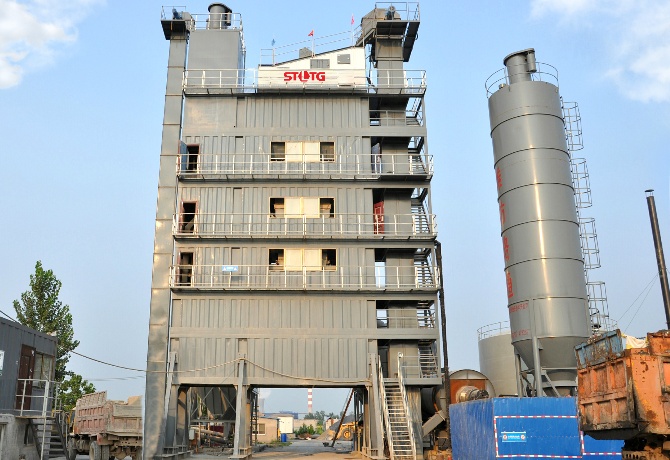
Ausgangsleistung: 320 t/h
Behälterkapazität: 6 × 15 m³

STLTG mobile Asphaltanlage
Modelle:
LBQY60–LBQY160
Bunkerinhalt:
4 × 4,5 m³ – 5 × 8 m³
Leistungskapazität:
60–160 t/h
Mobile Asphaltanlagen sind so konzipiert, dass sie leicht transportiert und an verschiedenen Baustellen aufgestellt werden können, wodurch sie sich ideal für Projekte eignen, bei denen häufiger Standortwechsel erforderlich ist. Sie lassen sich schnell montieren und demontieren, was Flexibilität beim Wechsel der Einsatzorte ermöglicht.
Sie entfallen zusätzliche Transport- und Logistikkosten, da sie problemlos an mehrere Baustellen verbracht werden können. Zudem weisen sie geringere Anschaffungs- und Betriebskosten auf.
Empfohlene Modelle:
LBQY-60 mobile Asphaltanlage für kleine Projekte
LBQY-120 mobile Asphaltanlage für effiziente Asphaltmischungsproduktion
LBQY-60 mobile Asphaltmischungsanlage

Ausgangskapazität: 60 t/h
Bunkerinhalt: 4 × 4,5 m³
LBQY-80 mobile Asphaltmischungsanlage

Ausgangskapazität: 80 t/h
Bunkerinhalt: 4 × 6,5 m³
LBQY-120 mobile Asphaltmischungsanlage

Ausgangsleistung: 120 t/h
Bunkerinhalt: 4 × 6,5 m³
LBQY-160 mobile Asphaltmischungsanlage

Ausgangsleistung: 160 t/h
Behälterkapazität: 5 × 8 m³

STLTG einfache Asphaltanlage
Modelle:
LY10–LY20
Mischtrommelkapazität:
1500 L–3000 L
Leistungskapazität:
10–20 t/h
Einfache Asphaltmischungsanlagen weisen in der Regel geringere Anschaffungskosten als fortschrittlichere und komplexere Anlagen auf. Sie stellen eine kostengünstige Lösung dar, insbesondere für kleinere Projekte oder Vorhaben mit begrenztem Budget.
Sie können für temporäre Bauprojekte mit kurzer Laufzeit oder unklaren Zeitplänen eingesetzt werden. Dazu zählen beispielsweise temporäre Straßen für Veranstaltungen, Zufahrtswege zu Baustellen oder Umleitungen.
Empfohlene Modelle:
LYJ-20 einfache Asphaltanlage für temporäre Projekte
LYJ-60 einfache Asphaltanlage für lokal begrenzte Bauvorhaben
LYJ-10/20 einfache Asphaltmischungsanlage

Ausgangsleistung: 10–20 t/h
Fertigasphalt-Lagerbehälter: 2 t
LYJ-30/40 einfache Asphaltmischungsanlage

Ausgangsleistung: 30–40 t/h
Fertigasphalt-Lagerbehälter: 5 t
LYJ-40/50 einfache Asphaltmischungsanlage

Ausgangsleistung: 40–50 t/h
Fertigasphalt-Lagerbehälter: 10 t
LYJ-60/80 einfache Asphaltmischungsanlage

Ausgangsleistung: 60–80 t/h
Fertigasphalt-Lagerbehälter: 20 t

STLTG kontinuierliche Trommel-Asphaltanlage
Modelle:
LBD20–LBD100
Kaltes-Zuschlagstoff-Fördersystem
3,5 m³×3 – 6,5 m³×4
Leistungskapazität:
20–100 t/h
Kontinuierliche Asphaltmischanlagen arbeiten effizient, da sie kontinuierlich Gesteinskörnung zuführen und mit Asphaltbindemittel mischen. Dies führt zu einer konsistenten und einheitlichen Mischung und gewährleistet eine hochwertige Asphaltproduktion.
Kontinuierliche Asphaltmischanlagen können eine breite Palette von Asphaltmischungsdesigns und -typen verarbeiten, darunter Heißasphalt (HMA), Warmasphalt (WMA) und Kaltasphalt (CMA).
Empfohlene Modelle:
LBD-80-Kontinuierliche Asphaltmischanlage für modulare Anlagenkonfigurationen
LBD-100-Kontinuierliche Asphaltmischanlage für Langzeitprojekte
LBD-20-Kontinuierliche Trommel-Asphaltmischanlage

Ausbringungskapazität: 20 t/h
System zur Zuführung kalter Gesteinskörnung: 3,5 m³×1
LBD-25-Kontinuierliche Trommel-Asphaltmischanlage

Ausbringungskapazität: 25 t/h
System zur Zuführung kalter Gesteinskörnung: 3,5 m³×1
LBD-40-Kontinuierliche Trommel-Asphaltmischanlage

Ausgangskapazität: 40 t/h
System zur Zuführung kalter Gesteinskörnung: 4 m³×4
LBD-60-Kontinuierliche Trommel-Asphaltmischanlage

Ausgangskapazität: 60 t/h
System zur Zuführung kalter Gesteinskörnung: 4 m³×4
LBD-80-Kontinuierliche Asphaltmischanlage
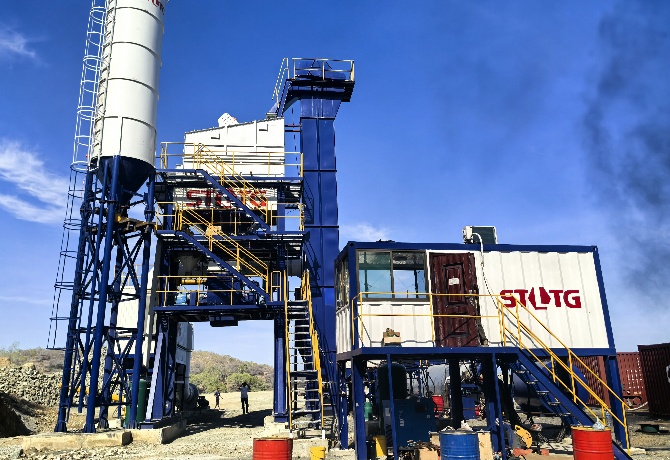
Ausgangskapazität: 80 t/h
System zur Zuführung kalter Gesteinskörnung: 6,5 m³×4
LBD-100-Kontinuierliche Asphaltmischanlage

Ausgangskapazität: 100 t/h
System zur Zuführung kalter Gesteinskörnung: 6,5 m³×4
Wie hoch ist die Rentabilität (ROI) bei Asphaltmischanlagen?
Die Rentabilität (ROI) einer Asphaltmischanlage kann je nach mehreren Faktoren variieren, darunter die anfänglichen Investitionskosten, die Produktionskapazität, die Marktnachfrage, die Betriebskosten sowie die Effizienz der Anlage.
Der Kauf einer Asphaltmischanlage macht tatsächlich weniger als 21 TP3T der gesamten Investition aus. Die Beschaffungskosten für Gesteinskörnung und Bitumen entfallen auf über 751 TP3T der Gesamtkosten, gefolgt von Kraftstoff mit etwa 121 TP3T.
Mit anderen Worten kann eine Asphaltmischanlage durch Senkung der Kraftstoff- und Rohstoffkosten bei gleichzeitiger Sicherstellung von Ausbringungsmenge und Qualität der endgültigen Asphaltschicht eine unerwartete Rentabilität erzielen.
Technische Daten für Asphaltmischanlagen
Detaillierte technische Daten für stationäre Asphaltmischanlagen:
| Parameter Modell | LB-1000 | LB-1500 | LB-2000 | LB-3000 | LB-4000 | LB-5000 |
| Breite (mm) des Zuführbandes | 500 | 500 | 600 | 650 | 650 | 800 |
| Förderleistung (t/h) des Zuführbandes (einstellbar) | 60-180 | 60-200 | 60-200 | 60-360 | 60-360 | 60-500 |
| Anzahl der Zuführtrichter (Stk.) | 4 | 5 | 5 | 6 | 6 | 6 |
| Volumen des Skelettmaterial-Trichters des Zuführsystems | 4/32 m³ | 5/40 m³ | 5/40 m³ | 6/60 m³ | 6/60 m³ | 6/90 m³ |
| Breite des Förderbandes | 500 | 650 | 650 | 800 | 800 | 800 |
| Durchmesser des Heizzylinders (m) | 1.65 | 1.85 | 2.2 | 2.5 | 2.75 | 2.8 |
| Länge (m) des Heizzylinders | 7 | 7.5 | 9.1 | 9.5 | 10.2 | 12 |
| Leistung (t/h) des Heizzylinders (Wassergehalt 51 TP3T) | 100 | 140 | 180 | 265 | 380 | 480 |
| Förderleistung (t/h) des Heismaterialaufzugs | 120 | 140 | 180 | 265 | 340 | 450 |
| Leistung (un) des Heismaterial-Vibrationsiebs | 120 | 140 | 180 | 260 | 340 | 450 |
| Ausbringung (kg) pro Mischtiegel | 1000 | 1500 | 2000 | 3000 | 4000 | 5000 |
| Mischzeit (s) (einstellbar) | 30-60 | 30-60 | 30-60 | 30-60 | 30-60 | 30-60 |
| Volumen des gemischten Materialbehälters | 40 Unterlegt | 40 Unterlegt | 60 Unterlegt | 100Unterlagt | 100Unterlagt | 100Unterlagt |
| Entladehöhe (m) des Mischmaterialbehälters | 3.8 | 3.8 | 3.8 | 3.8 | 3.8 | 4.0 |
Detaillierte Spezifikationen der mobilen Asphaltmischanlage:
| Positionen | LBQY-60 | LBQY-80 | LBQY-120 | LBQY-160 | |
| Anlagenkapazität | 60 t/h | 80 t/h | 120 t/h | 160 t/h | |
| Kaltes-Zuschlagstoff-Fördersystem | |||||
| Hopper-Kapazität | 4 × 4,5 m³ | 4 × 6,5 m³ | 4 × 6,5 m³ | 5 × 8 m³ | |
| Förderband-Kapazität | 80 t/h | 100 t/h | 140 t/h | 180 t/h | |
| Trocknungssystem | |||||
| Trocknungstrommel-Abmessungen | 1500 × 6000 mm | 1500 × 6600 mm | 1800 × 8000 mm | 1900 × 9000 mm | |
| Trocknungskapazität | 60 – 80 t/h | 80 – 100 t/h | 120 – 140 t/h | 160 – 180 t/h | |
| Brenner (Öl) | 60–400 kg/h | 60–600 kg/h | 100–1000 kg/h | 140 – 1400 kg/h | |
| Kraftstoffverbrauch (Öl) | 6 – 7 kg/t | 6 – 7 kg/t | 6 – 7 kg/t | 6 – 7 kg/t | |
| Mischeturm | |||||
| Sieb | 4 Schichten | 4 Schichten | 4 Schichten | 4/5 Schichten | |
| Zuschlagstoff-Wägung | 3 × 800 kg | 3 × 1000 kg | 3 × 1500 kg | 3 × 2000 kg | |
| Bitumen-Wägung | 3×80 kg | 3×100 kg | 3×200 kg | 3×200 kg | |
| Füllstoff-Wägung | 3×100 kg | 3×100 kg | 3×200 kg | 3×200 kg | |
| Mischkapazität | 800 kg | 1000 kg | 1500 kg | 2000 kg | |
| Mischzyklus | 45 s | 45 s | 45 s | 45 s | |
| Staubabsauganlage | |||||
| Filteranlage mit Taschenfilter | 300 m² | 380 m² | 500 m² | 550 m² | |
| Leistung des Abluftventilators | 30 kW | 45 kW | 2×45 kW | 2×55 kW | |
| Asphalttemperatur | 140–180 °C | 140–180 °C | 140–180 °C | 140–180 °C | |
| Fertigasphalt-Silo (optional) | 15 t | 30 t | 30 t | 60 t | |
| Gesamtleistung | ca. 185 kW | ca. 270 kW | ca. 390 kW | ca. 500 kW | |
Detaillierte technische Daten der einfachen Asphaltmischanlage:
| Modell | LYJ-10 | LYJ-15 | LYJ-20 | LYJ-30 | LYJ-40 | LYJ-60 | LYJ-80 | |
| Leistung | 10 t/h | 15 t/h | 20 t/h | 30 t/h | 40 t/h | 60 t/h | 80 t/h | |
| Leistung | Heizöl | 48 kW | 59 kW | 68 kW | 106 kW | 132 kW | 146 kW | 186 kW |
| Kohleverbrennung | 67 kW | 78 kW | 91 kW | 129 kW | 170 kW | 192 kW | 262 kW | |
| Kaltes-Zuschlagstoff-Fördersystem | 3 m³ × 3 | 3 m³ × 3 | 3 m³ × 3 | 5 m³ × 3 | 5 m³ × 3 | 5 m³ × 3 | 5 m³ × 4 | |
| Fertiger Asphalt-Speicherbehälter | 2 t | 5 t | 5 t | 9 t | 9 t | 9 t | 20 t | |
| Asphalttemperatur | 120 – 180 °C | |||||||
| Kraftstoffverbrauch | Heizöl | 5 – 7,5 kg/t | ||||||
| Kohleverbrennung | 13 – 15 kg/t | |||||||
| Option | Wasserstaubfilter, Taschenstaubfilter, Steuerungsraum, Asphalt-Heiztank, Mineralpulver-Tank | |||||||
Detaillierte Spezifikationen der kontinuierlichen Asphaltanlage:
| Modell | LBD-20 | LBD-40 | LBD-60 | LBD-80 | LBD-100 | |
| Leistung | 20 t/h | 45 t/h | 60 t/h | 80 t/h | 100 t/h | |
| Leistung | Heizöl | 34 kW | 65 kW | 105 kW | 135 kW | 170 kW |
| Kohleverbrennung | 40 kW | 75 kW | 120 kW | 165 kW | 200 kW | |
| Kaltes-Zuschlagstoff-Fördersystem | 3,5 m³ × 1 | 4 m³ × 4 | 4 m³ × 4 | 6,5 m³ × 4 | 6,5 m³ × 4 | |
| Fertiger Asphaltlagerbehälter | 3 t | 3 t | 7 t | 7 t | 9 t | |

. Merkmale
Die Vorteile unserer Asphaltmischanlage
Die Trockenrotations trommel verwendet hochwertiges externes Wärmedämmmaterial und ist mit Edelstahl verkleidet, was die Dämmleistung gewährleistet. Außerdem ist das gesamte Design übersichtlich und klar;
Der Bitumenspeicherbehälter ist robust und langlebig. Unterschiedliche Größen und Kapazitäten des Bitumenspeicherbehälters können je nach Kundenanforderungen bereitgestellt werden. Der Bitumenspeicherbehälter ist mit einer Steinwolldämmung und verzinktem Blech umhüllt, wodurch der Wärmeverlust maximal reduziert wird.
Das hydraulische System ist das Herzstück des Materialentleerungsprozesses. Seine breite Anwendung beruht auf der Hochgeschwindigkeitsentleerungsfähigkeit, wodurch die Baukosten deutlich gesenkt werden;
Gleichmäßige und präzise Zufuhr von kalten Gesteinskörnungen ist für die Herstellung hochwertiger Asphaltmischungen erforderlich. Unser Bandzuführer ist mit einer Frequenzsteuerung ausgestattet, die die Geschwindigkeit entsprechend Kapazität und Mischverhältnis anpassen kann.
Der spezielle Schwingungsreiniger erfüllt die Anforderungen besser. Und das verschleißfeste Siebgewebe (65 Mn) bietet eine längere Lebensdauer und geringere Wartungskosten.
Hauptkomponenten einer Asphaltmischanlage
Zu den Hauptkomponenten einer Asphaltmischanlage zählen typischerweise:
Kalte-Zufuhr-Anlage:Dieses System besteht aus Trichtern oder Behältern, die Gesteinskörnungen (wie Sand, Kies und Schotter) lagern und der Anlage zuführen. Die Gesteinskörnungen werden üblicherweise in verschiedenen Fächern gelagert und können je nach Anforderungen des Mischdesigns gesteuert und dosiert werden.
Trocknungs- und Heizsystem: Die Gesteinskörnungen müssen vor dem Mischen mit Bitumen getrocknet und erhitzt werden, um Feuchtigkeit zu entfernen. Dies erfolgt mittels einer Trockentrommel oder eines Rotations-Trockners, in dem heiße Luft zirkuliert, um den Trocknungsprozess zu unterstützen.
Bitumenlager- und Heizsystem: Bitumen, ein klebriger und viskoser Bindemittelstoff, ist eine entscheidende Komponente in Asphaltmischungen. Die Anlage benötigt einen Lagertank zur Speicherung und Erwärmung des Bitumens vor dessen Zugabe zur Mischung. Heizsysteme sorgen dafür, dass das Bitumen flüssig bleibt, um eine ordnungsgemäße Vermischung zu gewährleisten.
Mischsystem: Das Mischsystem verbindet die erhitzten und getrockneten Gesteinskörnungen mit dem Bitumen, um die Asphaltmischung herzustellen. Es umfasst typischerweise einen Mischer, der verschiedene Bauarten aufweisen kann, beispielsweise Zweischachtelpaddelmischer oder Trommelmischer. Der Mischer stellt sicher, dass Gesteinskörnungen und Bitumen gründlich vermischt werden, um eine homogene und gleichmäßige Asphaltmischung zu erzeugen.
Steuerungssystem: Das Steuerungssystem überwacht und steuert die verschiedenen Prozesse und Komponenten der Asphaltmischanlage. Es umfasst elektronische Steuerungen, Sensoren und Software, die den Betrieb, die Temperatur, die Dosierverhältnisse sowie weitere Parameter regeln, um optimale Leistung und Qualität sicherzustellen.
Lager-Silos oder Tanks: Sobald die Asphaltmischung hergestellt ist, wird sie in Lager-Silos oder Tanks aufbewahrt, um sie warm zu halten und stets für den Transport oder die Verlegung bereitzustellen. Die Kapazität der Lager-Silos kann je nach Produktionskapazität der Anlage und den Lageranforderungen variieren.
Emissionskontrollsystem: Um die Umweltvorschriften einzuhalten, sind Asphaltmischanlagen mit Emissionskontrollsystemen ausgestattet. Diese Systeme dienen dazu, schädliche Schadstoffe, die während des Produktionsprozesses entstehen können, einzufangen und zu filtern.
Dies sind die Hauptkomponenten einer Asphaltmischanlage; Konfiguration und Auslegung können je nach Anlagenkapazität, Produktionsanforderungen und eingesetzter Technologie variieren.
Wie funktioniert eine Heißasphaltmischanlage?
Im Folgenden finden Sie einen Überblick über die grundlegenden Arbeitsschritte im Produktionsprozess von Heißasphaltmischgut (HMA):
- Zufuhr der Gesteinskörnungen: Der Prozess beginnt mit der Anlieferung der Gesteinskörnungen, darunter Steine, Kies und Sand. Diese werden in separaten Behältern gelagert, um eine konsistente Produktion sicherzustellen.
- Trocknung der Gesteinskörnungen: Die Gesteinskörnungen werden dann über ein Förderband in die Trockentrommel gefördert. Die Trockentrommel wird durch einen Brenner erhitzt, der mit verschiedenen Brennstoffen wie Erdgas, Diesel oder Kohle betrieben werden kann. Die Feuchtigkeit in den Gesteinskörnungen wird durch direkten Wärmeaustausch entfernt, wodurch trockene, erhitzte Gesteinskörnungen entstehen.
- Erhitzen der Gesteinskörnungen: Die erhitzten Gesteinskörnungen werden anschließend mittels eines Aufzugs auf die Siebdecke befördert. Auf der Siebdecke werden die Gesteinskörnungen in verschiedene Korngrößenklassen sortiert.
- Bitumenverteilung: Bitumen, auch als Asphaltzement bekannt, wird in einem Mischtower geschmolzen und erhitzt. Das erhitzte Bitumen wird dann über ein Sprüh- oder Beregnungssystem auf die trockenen Gesteinskörnungen verteilt.
- Mischen und Vermengen: Die erhitzten Gesteinskörnungen und das Bitumen werden dann in einer kontinuierlichen Mischpflanze miteinander vermischt. Der Mischvorgang wird durch ein computergestütztes Steuerungssystem gesteuert, das eine konstante Mischzusammensetzung und -qualität gewährleistet.
- Verdichten und Fertigstellen: Die HMA-Mischung wird dann an eine Straßenbaumaschine zur Verdichtung und Fertigstellung weitergeleitet. Die Straßenbaumaschine trägt die Mischung auf die Oberfläche auf, und das Verkehrsmuster wird durch Verdichten und Fertigstellen der Mischung erzeugt.
- Qualitätskontrolle: Die Qualitätskontrolle ist ein wesentlicher Aspekt der HMA-Produktion. Prüfgeräte wie intelligente Verdichtungssysteme (ICS) werden eingesetzt, um den Produktionsprozess zu überwachen und sicherzustellen, dass das Endprodukt die geforderten Qualitätsstandards erfüllt.
Welche Arten von Gesteinskörnungen verarbeitet eine Bitumenanlage?
Bei der Herstellung von Heißasphalt (HMA) werden verschiedene Arten von Gesteinskörnungen verwendet, darunter:
- Stones: Stones are the largest aggregate particles and provide the base for the HMA mix. They are typically quarried and crushed into different sizes, ranging from coarse to fine.
- Gravel: Gravel is smaller than stones and is used to provide a filling material in the HMA mix. It is also crushed and graded into different sizes.
- Sand: Sand is the smallest aggregate particle and is used to provide stability and workability to the HMA mix. It is also used to help bind the other aggregate particles together.
- Bentonite: Bentonite is a type of clay used to improve the workability of the HMA mix. It is added to the mix in small quantities to help bind the aggregate particles together and improve the flow of the mix.
- Rapid-setting sand: Rapid-setting sand is a special type of sand that is used in HMA mixes to improve their workability and reduce their drying time. It is added to the mix in small quantities to help reduce the drying time of the mix and improve its ability to be worked.
- Screenings: Screenings are the fines produced during the processing of HMA. They are used to improve the workability of the mix and to help bind the aggregate particles together.
- Crushed concrete: Crushed concrete is a recycled material that is sometimes used in HMA mixes. It is crushed and graded into different sizes and used to provide a stabilizing agent in the mix.
- Fly ash: Fly ash is a byproduct of coal combustion that is sometimes used in HMA mixes. It is added to the mix in small quantities to help improve its workability and reduce its drying time.
These aggregates are mixed with hot asphalt cement (also known as bitumen) in a precise ratio to create a homogeneous mixture that can be placed and compacted into a variety of roadway and pavement applications. The specific mixture design and the types and proportions of aggregates used will depend on the intended application and the project requirements.
What Is Gravel’s Ideal Size for Asphalt Mix
The ideal size of gravel for an asphalt mix depends on the specific application and the desired properties of the finished pavement. In general, the size of the gravel used in asphalt production falls into one of the following categories:
- Coarse Aggregate: Coarse aggregate particles are larger than 5 mm (0.2 in) in diameter. They provide the structural strength and stability to the asphalt mix and are typically graded into different sizes, such as 6mm, 10mm, 16mm, etc.
- Fine Aggregate: Fine aggregate particles are smaller than 5 mm (0.2 in) in diameter. They help to improve the workability and flow of the asphalt mix, and are typically graded into different sizes, such as 2.5mm, 4.75mm, 7.5mm, etc.
The exact size distribution of the gravel used in asphalt production will depend on the specific requirements of the job site and the desired properties of the finished pavement. For example:
- For high-traffic pavements, a coarser aggregate size distribution may be used to provide greater structural strength and stability.
- For low-traffic pavements, a finer aggregate size distribution may be used to reduce the amount of material used while still providing adequate workability and flow.
Overall, the ideal size of gravel for asphalt production is the one that provides the desired strength, durability, and workability while minimizing the amount of material used.
Process of Asphalt Manufacturing Plant
The process of asphalt manufacturing in a typical asphalt plant involves the following steps:
Aggregate Handling and Storage: Aggregates, such as sand, gravel, and crushed stone, are stored in designated compartments or hoppers. They are then conveyed to the plant using feeders or conveyor belts.
Drying and Heating: The aggregates are fed into a drying drum, where they are exposed to a stream of hot air. This dries and heats the aggregates, removing any moisture content. The drying process ensures that the aggregates are free from moisture, as excess moisture can affect the quality of the asphalt mix.
Bitumen Handling and Heating: Bitumen, which is the binder used in asphalt mixtures, is stored in tanks at the plant. The bitumen is pumped from the storage tanks and heated to a specified temperature to make it easier to mix with the aggregates. Heaters or heating systems are used to heat the bitumen and maintain it at the desired temperature.
Mixing: Once the aggregates and bitumen reach their respective required temperatures, they are mixed together using a mixer. The mixer can be a pug mill mixer, twin-shaft mixer, or drum mixer, depending on the specific plant design. The mixing process ensures that the aggregates and bitumen are thoroughly combined, resulting in a homogeneous asphalt mix.
Storage and Loadout: The hot asphalt mix is then transported from the mixer to storage silos or tanks, where it is kept at an elevated temperature to maintain its workability. The storage capacity of the plant determines how much product can be stored before it is loaded onto trucks or transported for paving. Loadout systems, such as weigh bridges and conveyor belts, are used to load the asphalt mix into trucks or transport vehicles.
Emission Control: Asphalt plants include emission control systems to comply with environmental regulations. These systems may consist of bag filters, scrubbers, or other mechanisms designed to capture and control any potential emissions or pollutants generated during the manufacturing process.
It’s important to note that the specific processes and equipment used in asphalt manufacturing plants may vary based on the plant’s design, capacity, and technological advancements. Additionally, quality control measures, such as sampling and testing, are implemented throughout the manufacturing process to ensure the production of high-quality asphalt mixtures.
Mini Mobile Hot Mix Asphalt Plant for Sale
Mini portable asphalt plants are compact, efficient, and versatile solutions designed specifically for small to medium-sized road construction projects. These plants offer a balance between functionality, mobility, and cost, making them an attractive option for contractors and businesses looking to optimize their operations without the investment required for larger stationary plants. Here’s a comprehensive overview:
Key Features
- Compact Design: Mini portable asphalt plants feature a streamlined, compact design that allows for easy transportation and rapid setup. This compactness is particularly beneficial for projects in constrained spaces or with varying locations.
- Mobilität: Their portability is a hallmark, enabling quick relocation from one project site to another. This mobility reduces transportation costs of the asphalt mix and allows for on-demand, on-site production.
- Production Capacity: While smaller than stationary plants, these mini plants still offer respectable production capacities, typically ranging from 20 to 60 tons per hour. This makes them ideal for small to medium-scale projects.
- Modular Components: The modular design ensures ease of assembly and disassembly. It also allows for customization based on specific project needs, such as adding or removing components.
- Energy Efficiency: Many mini portable asphalt plants are designed with energy efficiency in mind, reducing fuel consumption and lowering operational costs.
- Automated Control Systems: Despite their size, these plants often come equipped with automated control systems for precise mixing and consistent quality of the asphalt mix.
Benefits
- Flexibility in Use: They can be deployed for a variety of projects including road repair and maintenance, rural road construction, car parks, and small driveways.
- Quick Installation: The setup time is significantly reduced due to their designed simplicity and portability, leading to less downtime.
- Cost-Effective: Lower initial investment compared to stationary plants, as well as reduced transportation and operating costs.
- Reduced Lead Times: Having the plant onsite can considerably cut down on the lead times for mixing and laying asphalt, ensuring projects are completed faster.
Considerations
- Project Scale: While these plants are versatile, they are best suited for projects requiring smaller quantities of asphalt. For larger projects, a stationary plant might be more efficient.
- Weather Dependency: Being smaller and often less sheltered than stationary plants, mini portable asphalt plants might be more susceptible to adverse weather conditions, which could potentially affect operations.
- Limited Mix Varieties: They may offer less flexibility in the types of asphalt mix that can be produced compared to larger, more complex plants.
Batch Mix And Drum Mix Asphalt Plant, Which One To Choose?
The choice between a batch mix and a drum mix asphalt plant depends on various factors such as project requirements, production volume, mobility, and specific characteristics of the asphalt mix being produced. Here are some key points to consider for each type:
Batch Mix Asphalt Plant:
- Flexibility: Batch plants offer greater flexibility in producing different mix designs and asphalt formulations. They allow for precise control of each ingredient in the mix, enabling customization and adjustments as per project specifications.
- Quality Control: Batch plants provide better control over the mixing process, resulting in consistent and high-quality asphalt mixtures. The ability to test and analyze each batch allows for tighter quality control measures.
- Reproducibility: Batch plants are well-suited for projects that require the production of specific asphalt mixtures repeatedly. They excel in producing uniform mixtures with consistent properties.
- Ideal for Small and Medium Projects: Batch plants are commonly used for smaller to medium-scale projects that have periodic and intermittent asphalt requirements.
- Easy Maintenance: Batch plants generally have easier maintenance and cleaning procedures due to their design and setup.
Drum Mix Asphalt Plant:
- Continuous Production: Drum mix plants offer continuous production, making them suitable for projects with high asphalt demand and continuous paving operations. They provide a constant flow of asphalt mix.
- Efficiency: Drum mix plants are known for their high production rates and efficiency. They have shorter mixing and drying times, resulting in faster production and increased output.
- Lower Initial Investment: Drum mix plants often require a lower initial investment compared to batch plants, making them a more economical choice for certain projects.
- Easy Operation: The operation of drum mix plants is relatively simple and requires less labor compared to batch plants. This can be advantageous for projects with limited resources or remote locations.
- Mobility: Drum mix plants are often designed with mobile or portable configurations, allowing for easy transportation and setup in different project locations.
Ultimately, the choice between a batch mix and a drum mix asphalt plant depends on your specific project requirements, volume of asphalt production needed, desired level of customization, and budget considerations. It is recommended to consult with asphalt plant manufacturers or industry professionals to determine the most suitable option for your specific needs.
Do You Need A New Asphalt Plant Or A Used One?
The decision between buying a new or used asphalt plant depends on several factors, including budget, project requirements, expected lifespan of the plant, and the availability of suitable used plants in the market. Here are some points to consider:
Advantages of Buying a New Asphalt Plant:
- Longevity: A new asphalt plant typically comes with updated technology, improved efficiency, and a longer lifespan compared to a used plant. It can provide reliable operation for several years, reducing the need for frequent repairs or replacements.
- Customization: New plants offer the opportunity to customize the design and specifications based on your specific project requirements. You can choose the features, capacity, and components that align with your production needs.
- Latest Technology: Newer asphalt plants often incorporate the latest technology advancements and innovations, making them more efficient, environmentally friendly, and capable of producing high-quality asphalt mixtures.
- Warranty and Support: Purchasing a new plant usually comes with manufacturer warranties and after-sales support. This can provide peace of mind and assistance in case of any issues or technical difficulties during the initial stages of plant operation.
Advantages of Buying a Used Asphalt Plant:
- Lower Initial Cost: Used asphalt plants are generally less expensive than new ones, which can be advantageous if you have budget constraints or need a temporary solution for a specific project.
- Immediate Availability: As used plants already exist in the market, they are often readily available for purchase. This can be beneficial if you have an urgent need and cannot wait for the manufacturing and delivery time of a new plant.
- Cost-effective for Small Projects: If you have a small-scale project with lower asphalt production requirements, a used plant may be a cost-effective option as it can fulfill your needs without a significant investment in a new plant.
It is important to carefully evaluate the condition, history, maintenance records, and reliability of a used asphalt plant before making a purchase. Engaging with reputable sellers or working with experienced professionals can help ensure that you get a used plant that meets your quality and performance expectations.
In summary, while a new asphalt plant offers benefits such as modern technology, customization, and longevity, a used asphalt plant may be a suitable option if you have a limited budget or short-term project needs. Consider your specific circumstances, project requirements, and long-term plans to make an informed decision.
Asphalt Plant Price
| Modell | Preisspanne |
| Stationary Asphalt Mixing Plant for Sale | $100,000 – $1,000,000 |
| Mobile Asphalt Mixing Plant for Sale | $60,000 -$550,000 |
| Simple Asphalt Mixing Plant for Sale | $55,000 – $65,000 |
| Continuous Asphalt Mixing Plant for Sale | $60,000 – $180,000 |
Please note that the following price range is provided as a reference for the four types of asphalt batching plants. The actual prices may vary based on several factors, including machine capacity, additional equipment, and installation costs.
The prices of our asphalt batching plants are influenced by the specific model chosen. Generally, larger models are priced higher compared to smaller ones.
Rest assured, we strive to offer competitive and reasonable prices for all our asphalt mixing machines. We are committed to providing you with the manufacturer’s price to help you optimize your budget.
If you are interested in learning more about our machines, please feel free to contact us at any time. We are here to assist you.
Globale Referenzprojekte
Stationary Asphalt Plant in Indonesia

Continuous Asphalt Plant in Mexico

Mobile Asphalt Plant in Georgia

Continuous Asphalt Plant in Zambia

Weitere Geräte, die Sie möglicherweise benötigen
Capacity: 5 – 30m³/h
Capacity: 25 – 240m³/h
Capacity: 30 – 88m³/h
Rated Power: 36.8 – 110kw
Capacity: 3 – 10ton
. Zertifizierungen
Unsere Zertifizierungen


