
Der Bau umfasst den Einsatz schwerer Maschinen, die in der Lage sind, Landschaften zu verändern, insbesondere durch eine Kategorie, die als Erdbewegungsmaschinen bekannt ist.
Erdbewegungsgeräte und Aushubmaschinen sollten unter Berücksichtigung von Faktoren wie Art des Fundaments, Projektkapazität, Aushubtiefe, Geologie, Grundwasserverhältnissen, Erdvolumen, Transportentfernung, Baustellen- und Gerätebedingungen, Projektzeitplananforderungen sowie Merkmalen der Erdbewegungsmaschinen angemessen ausgewählt werden, um die Maschineneffizienz zu maximieren, Kosten zu senken und den Projektfortschritt zu beschleunigen.
Bei Sinotech Groups stellen wir Ihnen kostenlos einen Plan zur Auswahl der effizientesten und kostengünstigsten Geräte zur Verfügung, sodass Sie die am besten geeigneten Maschinen für Ihr Projekt wählen können. Zögern Sie nicht, uns für professionelle Beratung oder Informationen zu Erdbewegungsmaschinenprodukten zu kontaktieren.

Grundsätze der Auswahl von Erdbewegungsmaschinen für Ihre Projekte
Durchdachte Planung und Analyse bei der Auswahl von Baumaschinen gewährleisten Effizienz, Sicherheit und Wirksamkeit bei der Ausführung der Arbeiten.
Bei der Auswahl von Baumaschinen ist es wichtig, sie an die jeweiligen Aufgaben anzupassen. Beispielsweise erfordert eine Aufgabe, bei der tiefe Löcher ausgehoben werden müssen, einen Bagger, während eine Aufgabe, bei der große Mengen Material innerhalb einer Baustelle bewegt werden müssen, von einem Lader oder einem Kipper profitiert.
Die Auswahl von Erdbewegungsmaschinen sollte die tatsächlichen Bedingungen des Projekts widerspiegeln. Faktoren wie Bodenart, Gelände (eben, hügelig oder uneben), Wetterbedingungen und sogar die Größe des Projekts können beeinflussen, welche Maschinen geeignet sind.
Nach der Identifizierung der Hauptbaumaschinen ist es zudem unerlässlich, auch geeignete Hilfsmaschinen auszuwählen, um die übrigen Bauprozesse zu unterstützen.
Darüber hinaus ist es bei der Auswahl von Erdbewegungsmaschinen entscheidend, auch andere Bauverfahren zu berücksichtigen, die den maschinellen Erdbau verbessern können.
Erdbewegungsmaschinen für den Bau
Im Folgenden finden Sie einige gängige Arten von Erdbewegungsmaschinen zusammen mit ihren Anwendungsbereichen. Lernen Sie zunächst die am häufigsten verwendeten Maschinen für Erdbewegungsarbeiten kennen; anschließend bieten wir Ihnen Kombinationslösungen für unterschiedliche Projekte an.
Bulldozer

Ein Bulldozer ist eine Art Erdbewegungsmaschine, die zum Ausheben, Transportieren und Entsorgen von Erde und Gesteinsmaterial konzipiert ist und häufig im Tagebau eingesetzt wird. Ihre Anwendungen sind vielfältig: Sie wird üblicherweise zum Nivellieren und Räumen von Baustellen, zum Ausheben von Fundamenten bis zu einer Tiefe von 1,5 Metern sowie zum Verfüllen von Gruben und Graben verwendet.
Beispielsweise kann sie zum Bau von Deponien, zum Nivellieren von Flächen für das Entladen von Fahrzeugen, zum Aufhäufen verstreuter Erze sowie zur Vorbereitung von Arbeitsplattformen und Baustellen eingesetzt werden. Bulldozer spielen nicht nur bei Hilfsaufgaben, sondern auch bei primären Bergbauprozeduren eine bedeutende Rolle.
Bulldozer lassen sich nach ihrer Mobilität in Raupen- und Reifenbulldozer unterteilen.
- Raupenbulldozer: bieten hervorragende Traktion, besitzen starke Steigfähigkeit und sind äußerst anpassungsfähig.
- Reifenbulldozer: ermöglichen höhere Geschwindigkeiten und größere Manövrierfähigkeit.
Sie sind flexibel in der Bedienung, einfach zu fahren und benötigen eine kleinere Arbeitsfläche. Sie fahren schnell und sind leicht umzusetzen; sie können Steigungen von etwa 30 Grad bewältigen. Sie eignen sich besonders für Erdbewegungs- und Gesteinsbewegungsaufgaben über kurze Distanzen, typischerweise zwischen 10 und 100 Metern.
Bagger

Der Bagger gehört zu den gebräuchlichsten Erdbewegungsmaschinen und zeichnet sich durch Flexibilität und vielseitige Einsatzmöglichkeiten aus, wodurch er für verschiedene Bauumgebungen geeignet ist.
Angetrieben durch ein Hydrauliksystem, sind Bagger mit einer Vielzahl von Zusatzgeräten und Leistungsoptionen erhältlich, die es ihnen ermöglichen, Erde und Gestein auszuheben, zu schneiden und zu laden. Weitere Funktionen im Überblick:
Ausheben und Nivellieren: Hauptsächlich zum Ausheben von Gräben, Löchern und Fundamenten sowie zum Nivellieren von Flächen für den Bau.
Materialumschlag: Zum Verladen und Entladen von Materialien wie Erde, Sand und Kies in Lastkraftwagen oder Lagerbereiche.
Abrissarbeiten: Zum Abbrechen von Bauwerken mithilfe von Zusatzgeräten wie hydraulischen Brechern, was sichere und effiziente Abrissprozesse ermöglicht.
Garten- und Landschaftsbau: Zum Anlegen von Teichen, Errichten von Stützmauern und anderen landschaftsgestalterischen Arbeiten.
Bergbau und Steinbruchbetrieb: Bagger spielen eine entscheidende Rolle beim Ausheben und Transportieren von Materialien im Bergbau.
Installation von Versorgungsleitungen: Zum Verlegen von Rohren, Kabeln und anderen unterirdischen Versorgungsleitungen.
Wir empfehlen Ihnen einen Raupenbagger für Aushebearbeiten, Materialumschlag und Abrissarbeiten. Mini-Bagger sind klein und leicht und daher ideal für Grabenarbeiten und Versorgungsleitungsarbeiten.
Radlader

Radlader, auch Frontlader genannt, sind vielseitige Hochleistungsgeräte mit hoher Tragfähigkeit. Der primäre Einsatz eines Radladers auf der Baustelle besteht darin, Material auszuheben, zu transportieren, zu befördern und vor Ort zu bewegen.
Ein Radlader besteht aus einem Arm mit einem Ladebehälter oder einer Schaufel, die großvolumige Materialien effizient transportiert. Neben Baustellen können sie auch für landwirtschaftliche und landschaftsgestalterische Zwecke eingesetzt werden. Ladegeräte sind in verschiedenen Größen erhältlich und daher ideal für Projekte jeder Größe.
Baggerlader

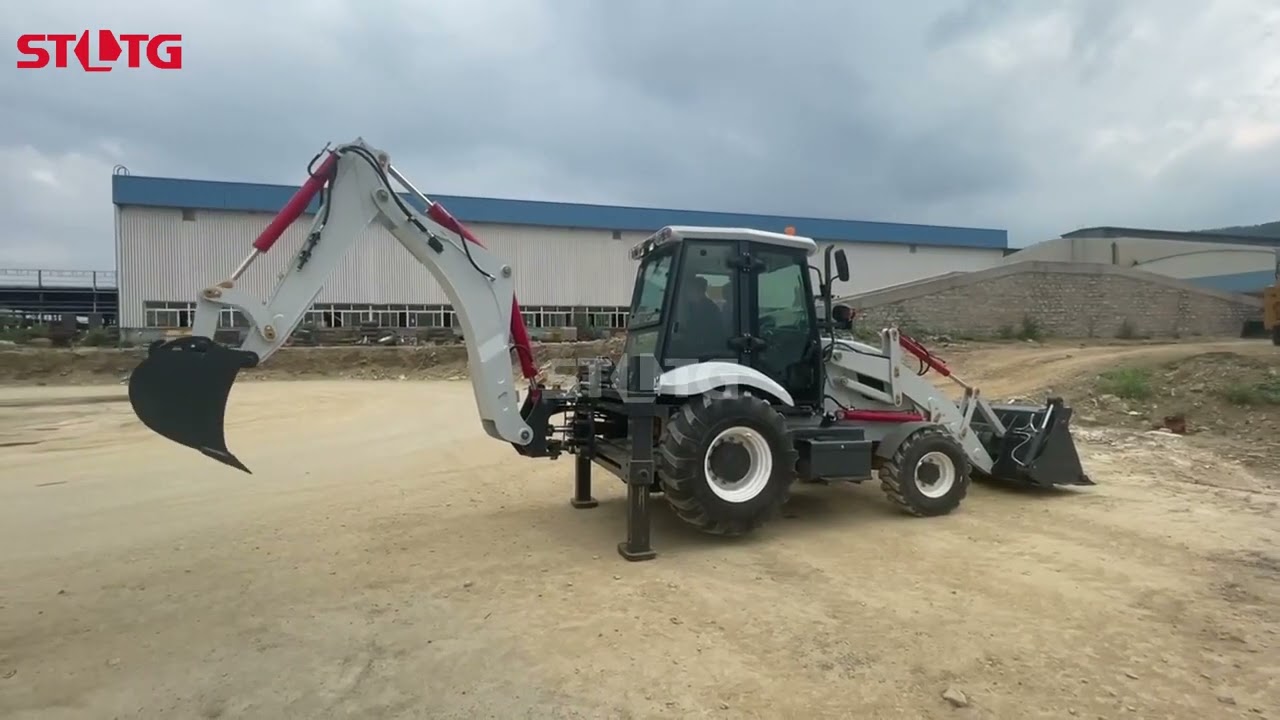
Der Baggerlader ist schwere Baumaschinerie, die drei Arten von Baugeräten kombiniert. Er besteht aus einem Traktor, einem Lader und einem Bagger.
Ihre Mobilität macht sie für Erdarbeiten in städtischen Gebieten geeignet. Sie werden für Aushubarbeiten, Graben ausschachten, Rohre verlegen, Graben verfüllen, Material heben usw. eingesetzt.
Baggerlader sind typischerweise kompakter als herkömmliche Bagger und Lader, was sie ideal für Projekte mit räumlichen Einschränkungen macht.
In addition to the standard buckets, backhoe loaders can utilize a range of attachments, such as forks, grapples, and augers, to enhance their functionality.
We recommend you use our new backhoe loader for a small and medium scale projects.
5. Compact Roller

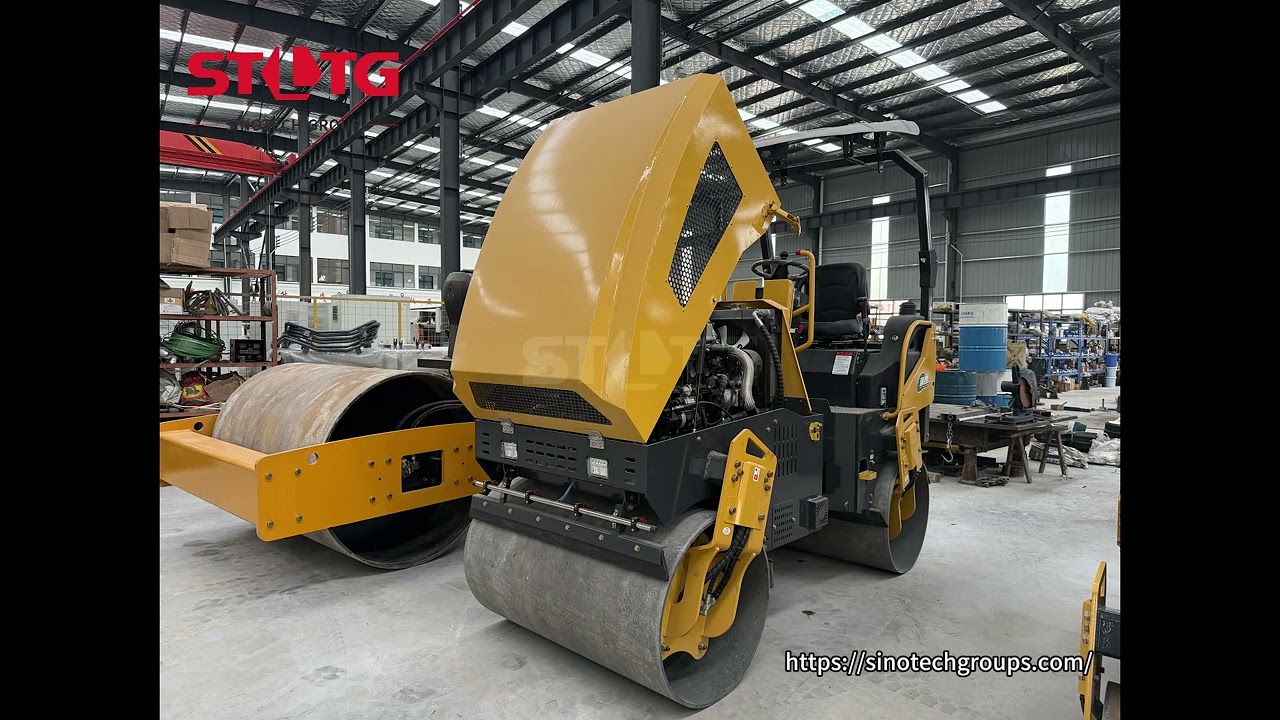
A road roller compactor is a versatile and efficient construction machine widely utilized in various applications within the construction industry.
Its primary function is to compact and smooth different types of surfaces, including soil, asphalt, and gravel, making it an essential tool for achieving proper foundation and surface integrity in construction projects.
Designed with a compact size and excellent maneuverability, the compact roller excels in accessing tight spaces and navigating smaller construction sites where larger machines may not fit or be suitable. This feature makes it ideal for urban environments, residential areas, and estates that demand precision and care during construction activities.
Additionally, compact rollers often come with adjustable settings that allow operators to control the frequency and amplitude of the vibrations, tailoring the compaction process to suit specific material types and project requirements. This flexibility ensures better performance and efficiency, contributing to the longevity and stability of the constructed surfaces.
6. Articulated Dump Truck

It is a commonly used transport machine in roadbed construction, generally used for the transportation of earthwork and engineering materials. The ADT consists of a front cabin where the driver sits and a rear dump bed for material handling. The articulation joint between these sections provides flexibility and stability, enabling the truck to traverse rough terrain while maintaining traction on all wheels.
Suggestion: It is suitable for transportation over a distance of more than 1 km.
7. Wheel Tractor-Scraper

Wheel tractor-scrapers are particularly effective for grading and leveling surfaces in preparation for road construction, sports fields, and other infrastructure projects. They can create smooth, even surfaces quickly.
There are mainly towed and self-propelled scrapers. The highway quota mainly uses towed scrapers, which are suitable for earthwork and stone shoveling construction with a medium distance of 400-600 meters.
These machines excel at moving large volumes of soil, gravel, or other materials from one location to another, making them ideal for site preparation and earthmoving tasks.
8. Trencher

A trencher has the specific purpose of trench-digging, which it does by lifting and moving earth. They don’t dig ditches in the ground like an excavator, instead they use their unique mechanical motion to create trenches. Trenchers can be used in several ways, like digging for electrical wires, cutting pavement, and creating drainage. They can even be used to snap tree roots.
There are chain trenchers, which cut into the ground to allow for narrow and deep trenches; wheel trenchers, best for soft or hard soils when there are rock formations; and micro trenchers, good for very narrow trenches of just an inch or so in width. They can be walk-behind or ride-on, with the former being better for small jobs.
You may also need our stone/rock crushers.
Common Road Construction Workflow
Streamline your project with our complete fleet of road machinery. We provide the right equipment for every stage of the road building process—ensuring efficiency, precision, and durability.
Stage 1: Site Preparation & Earthworks
Every great road starts with a prepared site. Our robust earthmoving fleet handles land clearing, trenching, and material transport with maximum efficiency, laying the groundwork for a successful project.
Recommended Fleet:

- Excavators: For heavy digging and trenching.
- Bulldozers: For pushing and rough grading.
- Wheel Loaders: For rapid material handling.
Stage 2: Grading & Sub-Base
Precision is key. Achieve the perfect grade and soil density to prevent future sinking. Our graders and heavy compactors ensure your road base meets the strictest engineering standards.
Recommended Fleet:
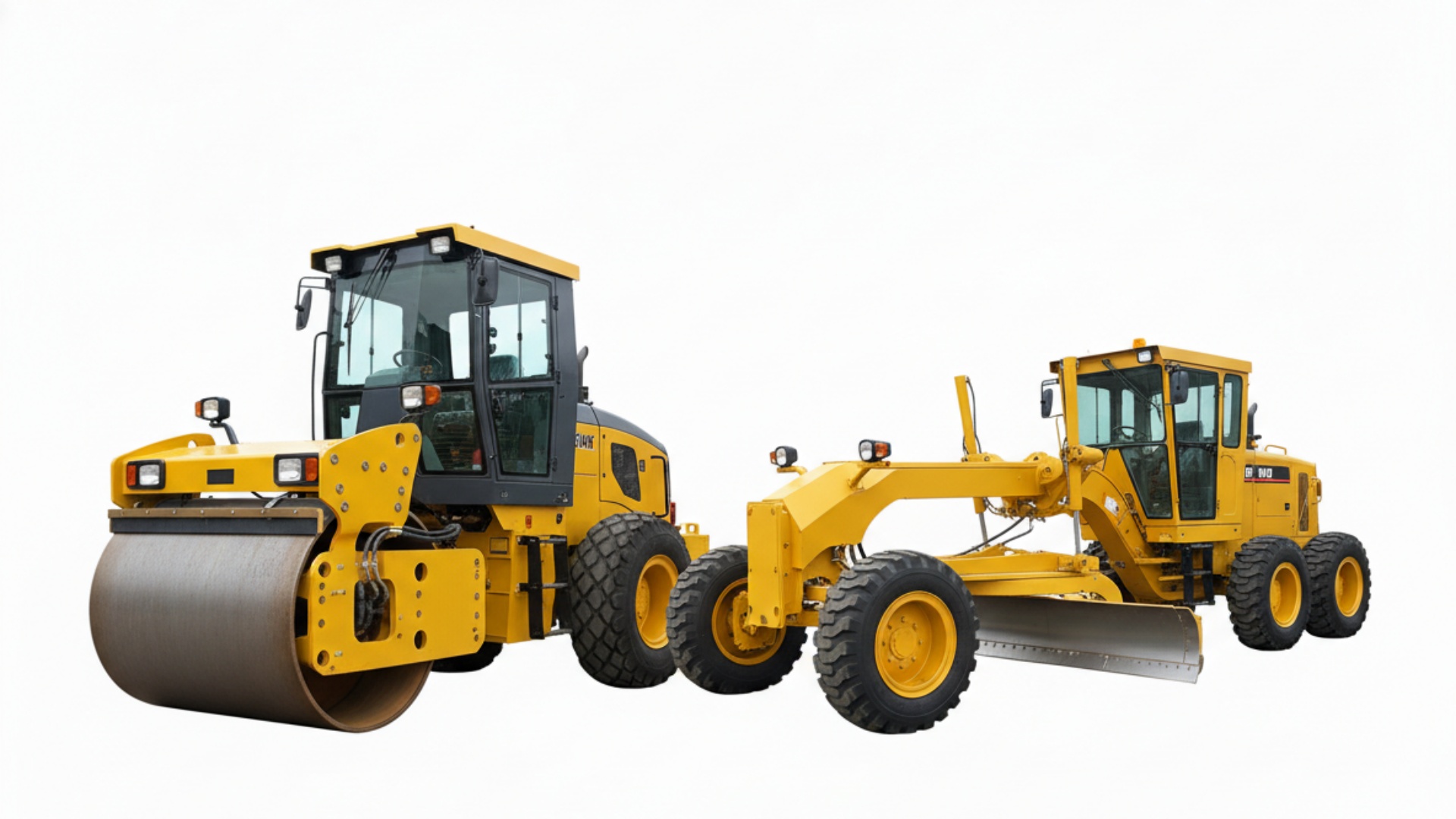
- Single Drum Rollers: Deep compaction for soil and rock.
- Motor Graders: Precision leveling within millimeters.
Stage 3: Asphalt Paving
From the tack coat to the final mat, uniformity matters. Our specialized paving equipment ensures consistent asphalt distribution and thickness for a smooth, high-quality road surface.
Recommended Fleet:
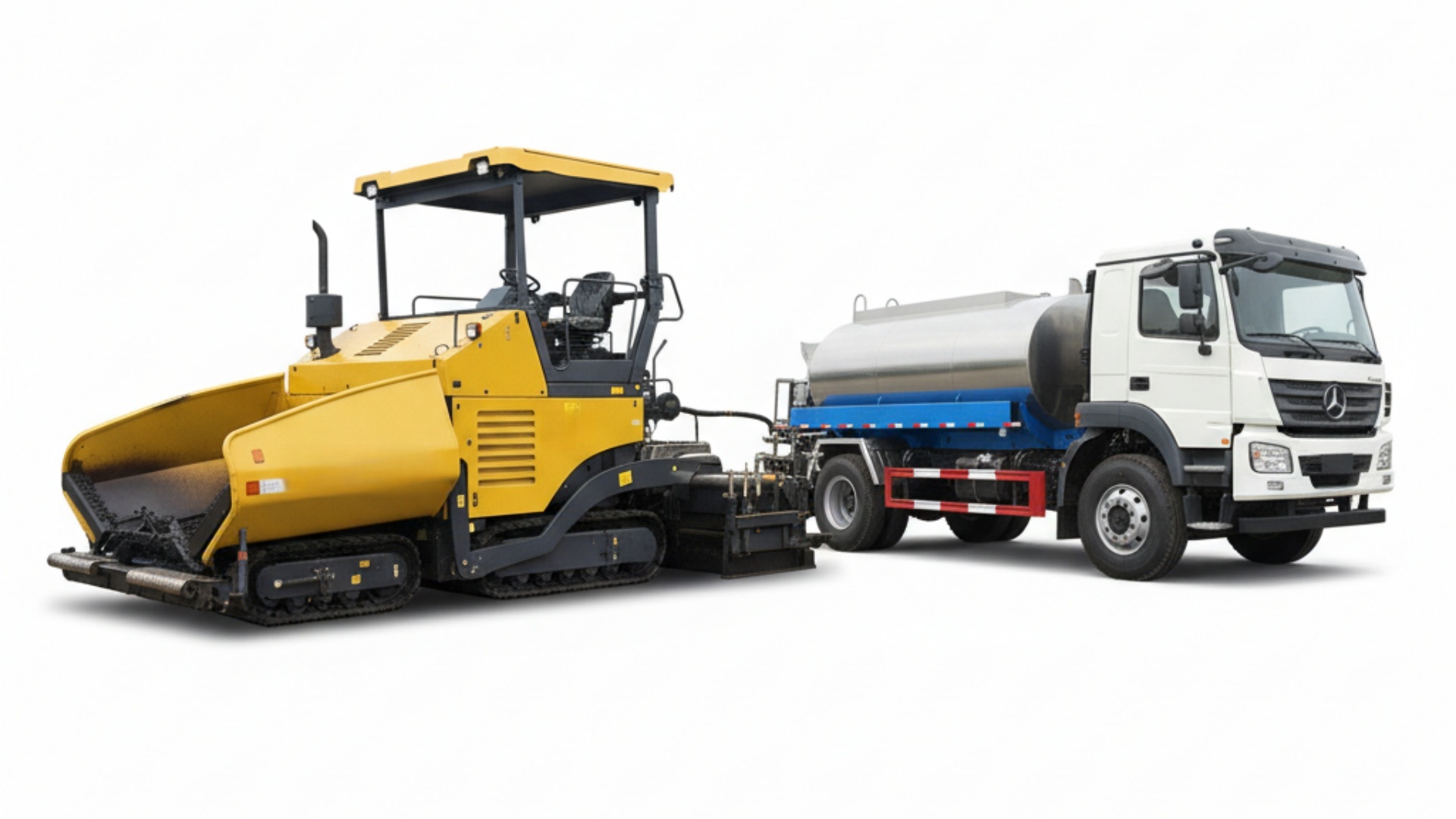
- Asphalt Pavers: For highway and city street paving.
- Bitumen Sprayers: Accurate distribution of tack coats.
Stage 4: Finishing & Maintenance
The final touch defines the road’s lifespan. Seal the surface to prevent water penetration and use our maintenance tools to keep the infrastructure in top condition for years to come.
Recommended Fleet:
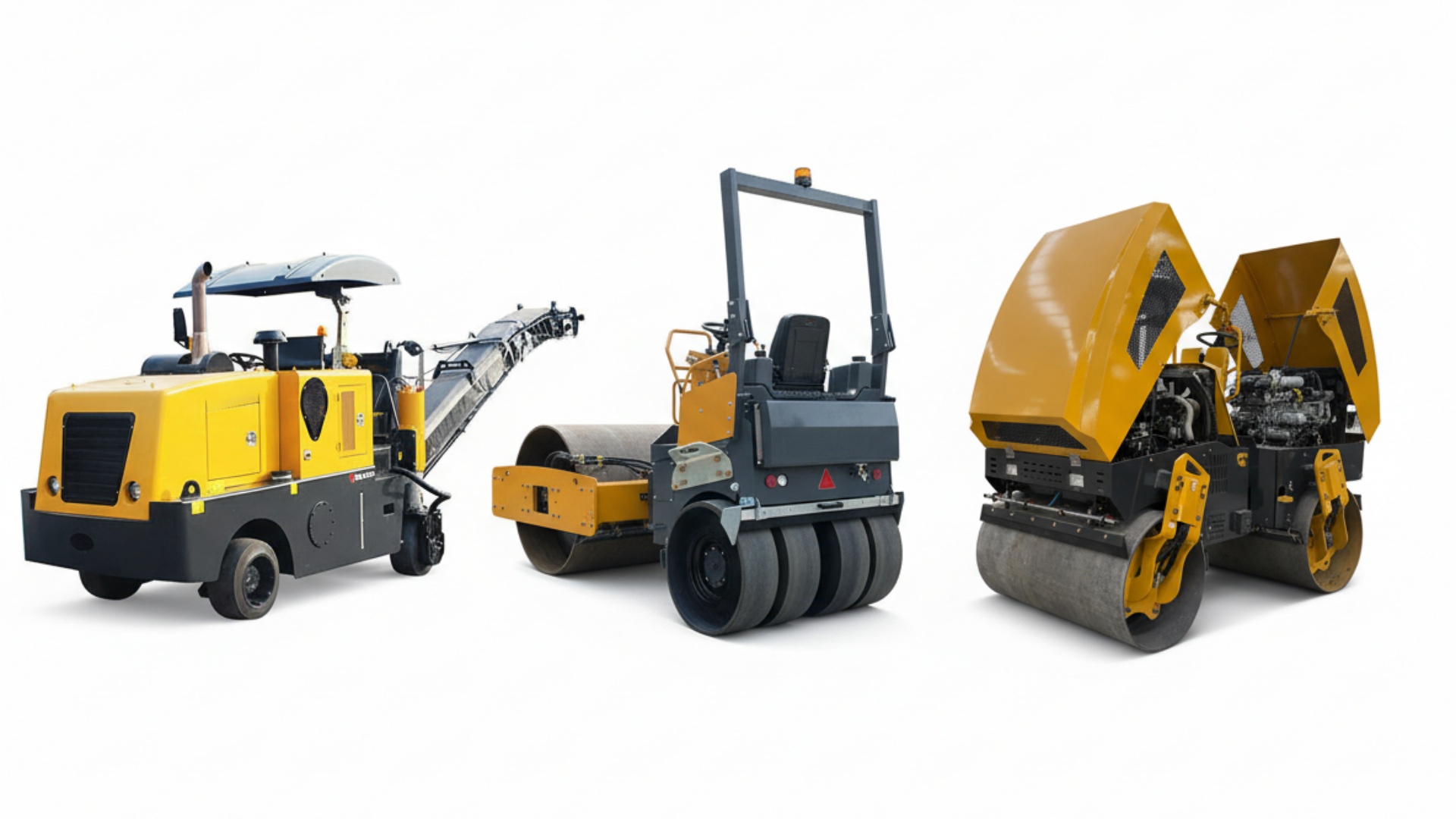
- Cold Milling Machines: For road resurfacing and repair.
- Double Drum Rollers: For asphalt compaction.
- Pneumatic Rollers: For surface sealing and kneading.
. Was können wir Ihnen bieten?
Kostenoptimiert
Von der SinoTech Group
Teilen Sie uns Ihre Anforderungen mit – wir bieten maßgeschneiderte Lösungen!
SinoTech Groups Small and Heavy Earth Moving Equipment Solutions

Properly matching equipment to project needs allows for enhanced efficiency, productivity, and cost-effectiveness across diverse construction and earthmoving tasks.
Whether for small-scale residential projects or large infrastructure developments, the right machinery can significantly impact project success.
1. Road Construction (Grading and Base Preparation)
Recommended Combination:
- Bulldozer
- Bagger
- Dump Truck
- Compact Roller
In the initial phases of a road construction project, a bulldozer can be used to clear the site and begin grading the land. The excavator can help with deeper excavations needed for drainage and foundation work.
Once the site is graded and leveled, the dump truck transports materials like gravel or soil to the site, while the compact roller is employed to ensure the surface is compacted and ready for further construction.
2. Utility Installation (Trenching for Pipes or Cables)
Recommended Combination:
- Bagger
- Trencher
- Dump Truck
- Baggerlader
For projects involving the installation of utilities such as water pipes or electrical cables, an excavator is effective for digging deep trenches. If the trenching requirements are more specific, a trencher can be used to create narrow and precise trenches.
The dump truck transports excavated materials away, while a backhoe loader assists in backfilling the trenches and doing any detailed excavation work around utility connections.
3. Asphalt Paving (Base and Surface Preparation)
Recommended Combination:
- Wheel Loader
- Bulldozer
- Compact Roller
- Dump Truck
When preparing for asphalt paving, the wheel loader can load aggregate materials used for the base layer into the dump truck, which then hauls the aggregates to the paving site.
The bulldozer can further grade and smooth the base layer, ensuring it’s level. After the asphalt is laid, the compact roller is used to compact the new surface, ensuring proper density and smoothness.
If you need a large amount of asphalt materials constantly, we recommend buying a small asphalt plant to save cost.
4. Earthmoving and Site Development
Recommended Combination:
- Wheel Tractor-Scraper
- Bagger
- Dump Truck
In large earthmoving projects, a wheel tractor-scraper can efficiently cut, move, and spread soil over considerable distances. An excavator is employed for any deeper excavation work required, such as creating ponds or foundations. The dump truck helps in transporting earth materials to and from the site, making the entire process more efficient.
5. Landscaping Preparation
Recommended Combination:
- Baggerlader
- Compact Roller
- Dump Truck
For landscaping projects, a backhoe loader is ideal for digging and moving soil or planting materials. The compact roller can be used to level and compact the areas being prepared for landscaping, ensuring a solid foundation for turf or planting. The dump truck facilitates the transportation of bulk planting materials, soil amendments, or debris away from the site.
6. Small Residential Road Development

Recommended Combination:
- Compact Roller
- Baggerlader
- Tire-Type Bulldozer
- Dump Truck
For a small residential road project, a backhoe loader is effective for digging and moving soil for road foundations and drainage. A tire-type bulldozer can help with grading and leveling the smaller area.
The compact roller is used to compact the road surface, ensuring proper density. The dump truck transports materials like gravel or soil as needed.
You May Also Interested in Our Construction Concrete Equipment Solution
7. Large-Scale Highway Construction
Recommended Combination:
- Track-Type Bulldozer
- Wheel Tractor-Scraper
- Bagger
- Dump Truck
- Compact Roller
In a large highway construction project, a track-type bulldozer can clear and prepare the site while providing excellent stability on uneven terrains.
A wheel tractor-scraper moves and grades large volumes of soil quickly. An excavator is used for deep excavations and any necessary drainage work. The dump truck transports material, and the compact roller finalizes the surface preparation for paving.
8. Urban Development and Infrastructure Upgrade
Recommended Combination:
- Bagger
- Dump Truck
- Baggerlader
- Compactor (Vibratory Plate)
For projects focused on upgrading urban infrastructure, an excavator can dig trenches for new sewer or drainage systems. A backhoe loader aids in tight spaces for more detailed excavation and backfilling.
The dump truck removes excavated material, while a smaller compactor is used for compacting soil in confined urban areas or around existing structures.
See more about our hot sale construction machine
9. Gravel Road Maintenance
Recommended Combination:
- Wheel Loader
- Tire-Type Bulldozer
- Compact Roller
- Dump Truck
For maintaining gravel roads, a tire-type bulldozer can grade the surface and address any erosion issues. A wheel loader is helpful for loading fresh gravel into the dump truck, which can haul materials needed for repairs. After the gravel is spread on the road, the compact roller ensures proper compaction and surface integrity.
10. Environmental Restoration Project
Recommended Combination:
- Mini-Bagger
- Baggerlader
- Dump Truck
- Compact Roller
In environmental restoration efforts, particularly in sensitive areas, a mini excavator is ideal for working in tight spaces and maneuvering carefully to prevent further environmental disruption.
A backhoe loader can assist with precise digging and soil movement. The dump truck transports invasive vegetation or debris away from the restoration site, while the compact roller is used to prepare and compact soil for new plantings.
11. Budget-Constrained Community Projects
Recommended Combination:
- Baggerlader
- Tire-Type Bulldozer
- Compact Roller
For community-led construction or maintenance projects with limited budgets, purchasing equipment like a backhoe loader can save costs while providing multifunctionality.
A tire-type bulldozer can help with site clearing and grading, and a compact roller can ensure surface quality during road repairs or park development. This combination maximizes productivity without heavy investment.
12. Major Infrastructure Projects (Highways, Bridges, Dams)

Recommended Combination:
- Track-Type Bulldozer
- Hydraulic Excavator
- Wheel Tractor-Scraper
- Dump Truck
- Crane
For large-scale infrastructure projects, heavy equipment like a track-type bulldozer can clear and grade extensive areas efficiently. A hydraulic excavator is crucial for deep excavations and the heavy lifting of materials.
A wheel tractor-scraper helps in moving and spreading large quantities of earth. Dump trucks transport materials to and from the site, while a crane is used for lifting heavier components, such as steel beams or concrete forms.
Looking for Heavy Lifting Equipment?
13. Landscaping and Site Preparation
Recommended Combination:
- Mini-Bagger
- Skid Steer Loader
- Dump Truck
- Vibratory Compactor
For landscaping projects, a mini excavator is perfect for digging holes for trees or shrubs in tight areas. A skid steer loader offers excellent maneuverability for moving soil and landscaping materials.
The dump truck can transport earth, mulch, or gravel, and a vibratory compactor can compact soil or base material for pathways and patios.
14. Demolition and Site Cleanup
Recommended Combination:
- Excavator with Demolition Attachment
- Rubber-Tired Loader
- Dump Truck
- Skid Steer Loader
For demolition projects, an excavator equipped with a hydraulic breaker or grapple is essential for tearing down structures and removing debris.
A rubber-tired loader provides flexibility and speed for transporting debris away from the site. A dump truck is used for hauling waste materials, while a skid steer loader can maneuver through tight spaces for cleanup and material handling.
Here is the equipment you may need for construction work. Contact us if you are interested.
| Product Category | Sub-category & Specific Products/Models |
| Earthmoving Machinery | – Excavators: Mini Excavator, Electric Excavator, Crawler Excavator, Wheeled Excavator, Mining Excavator – Bulldozers: Small Bulldozer, Mining Dozer, Chinese Bulldozers – Loaders: Wheel Loader, Skid Steer Loader, Mini Loader, Tracked Loader, Front End Loader, Backhoes/Backhoe Loaders – Trenchers – Compactors – Graders – Dump Trucks – Demolition Equipment – Other Earthmoving |
| Material Handling | – Rough Terrain Forklift – Articulated Loader – Telehandler |
| Concrete Machinery | – Self loading concrete mixer – Concrete plant – Concrete pump: Concrete trailer pump, Concrete mixer pump, Concrete truck pump – Concrete placing boom – Other Concrete Machinery |
| Lifting Machinery | – Cranes: Tower Crane, Boom Truck, Crawler Crane – Diesel Articulated Boom Lift – Towable Boom Lift – Boom Lifts/Aerial Platforms – Boom Trucks – Other Lifting Machinery |
| Road Construction Machinery | – Asphalt Pavers – Asphalt Plant – Road Milling Machines – Single/Double Drum Roller – Asphalt Compactor – Road Broom Sweeper – Other Road Construction – Roller Compactor |
| Drilling/Piling Machinery | – Drilling Trucks – Rock Drilling Machines – Piling Machines |
| Agricultural Machinery | – Tractors – Harvesters – Crusher: Jaw Crusher, Cone Crusher, Impact Crusher, Hammer Crusher, Roller Crusher, Vertical Shaft Impact Crusher, Sand Making Machine, VSI Crusher, Mobile Crushing Plant |
| Mining Equipment | – Mining Excavators – Other Mining Equipment |
Extra Tips: Excavation Methods and Machinery Selection

Here are the extra tips for you to consider when choosing the right excavation for different worksites:
Leveling the Site
Leveling a site typically involves several key steps: excavation, transportation, filling, and compaction. For large, flat areas with moderate moisture, a loader is the most effective choice.
In areas with significant elevation changes and a high volume of material to excavate and fill, especially when the transport distance exceeds 1,000 meters, it’s best to use a bulldozer along with dump trucks for both excavation and transportation.
The bulldozer is ideal for leveling the site, while a roller can be used for compaction in the filled areas. If the excavation and filling heights are minimal and the transport distance is under 100 meters, a bulldozer alone offers a flexible and cost-effective solution.
Long Trench Excavation

Long trench excavation involves digging a trench or ditch of specific dimensions, useful for laying foundations of large buildings or utility lines. In these cases, a backhoe excavator is typically suitable for the job.
If the excavation needs to be done in water or in very muddy conditions with a deep pit, a clamshell excavator is the better option. For dry soil or shallow trenches longer than 30 meters, a bulldozer or loader can be effectively utilized.
Complete Excavation
For large, shallow foundation pits in dry soil, a front shovel excavator is an excellent choice. If the soil is wet, a dragline or backhoe excavator is more appropriate, as they can operate effectively from above the pit.
This approach helps ensure that the excavation process is efficient and tailored to the specific conditions of the site.
. Was können wir Ihnen bieten?