
Reliable Asphalt Plant Manufacturer
Our asphalt plants enjoy high popularity for:
> Save 30% on Road Construction Costs
> Fully Automatic Asphalt Stations
> Get Factory-Direct Pricing Today
> Global Shipping
We are dedicated to providing our customers with a reliable and cost-effective solution for their asphalt production needs.
Get A Free Quote Now!

Transition from Buyer to Producer
If your firm currently purchases asphalt from third-party suppliers, you are vulnerable to price hikes and delivery delays. Our compact batch plants (80–160 TPH) empower construction firms and municipalities to produce high-spec asphalt at a significantly lower cost.
Output Capacity:
40 – 320t/h
Mixing Capacity:
750 – 5000 kg/batch
Hot Selling Asphalt Plant Models
SinoTech Group presents the asphalt plant, with superior quality mixes that conform to industry standards. Our advanced technology maximizes efficiency and maintains consistent quality with flexible customization options.

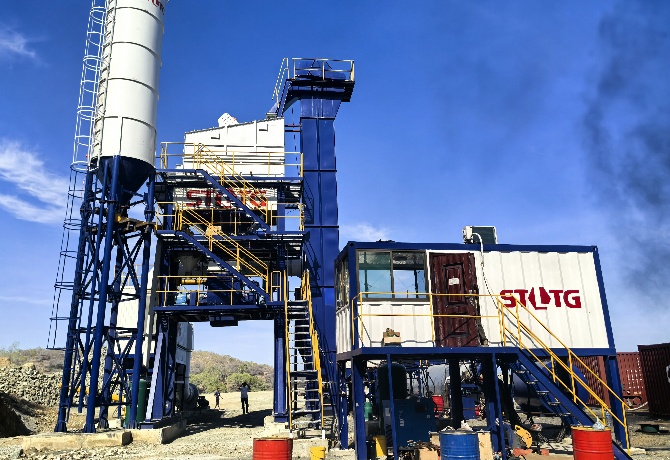
Stationary Asphalt Plant
| Model | LB500-LB4000 |
| Output | 40t/h-320t/h |
| Collect Belt Capacity | 60t/h-360t/h |
| Aggregate Metering hopper | 500kg-4000kg |
| Mineral Flour Metering Hopper | 120kg-700kg |
| Bitumen Metering Hopper | 100kg-500kg |
| Mixer Capacity | 500kg-4000kg |
| Cycle Time | 45s |
Mobile Asphalt Plant
| Models | LBQY60-LBQY160 |
| Plant Capacity | 60t/h-160t/h |
| Hopper Capacity | 4 x 4.5m3 |
| Belt Capacity | 80t/h-180t/h |
| Mixer Capacity | 800kg-2000kg |
| Mixing Cycle | 45s |
| Bag House Filtering | 300m³-550m³ |
| Asphalt Temperature | 140 – 180 ℃ |
| Finished Asphalt Silo (Optional) | 15ton-60ton |
How Is The Return On Investment In Asphalt Plants?
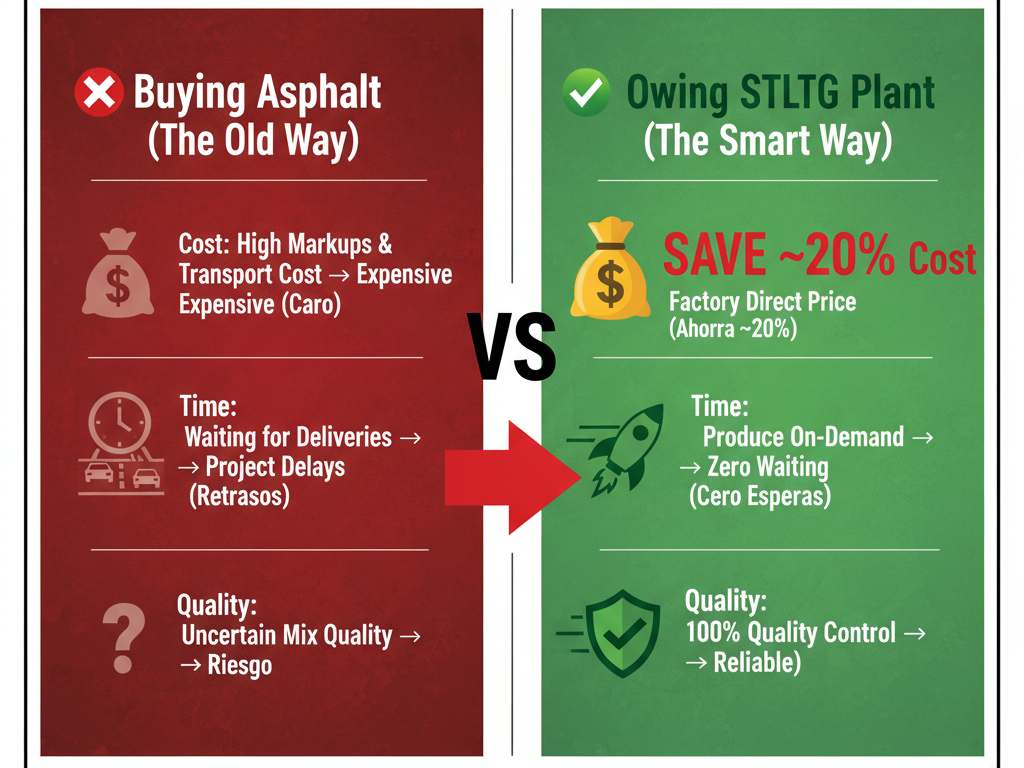
The return on investment (ROI) in an asphalt plant can vary depending on several factors, including the initial investment cost, production capacity, market demand, operating costs, and efficiency of the plant.
The purchase of asphalt mixing plant actually only accounts for less than 2% of the entire investment. The procurement cost of aggregates and bitumen accounts for more than 75% of the total cost, followed by fuel, which accounts for about 12%.
In other words, a set of asphalt mixing plant can bring unexpected return on investment by reducing the cost of fuel and raw materials while ensuring the output and quality of final asphalt mixture.
For Road Contractor

Engineered for Contractors Who Demand Speed, Flexibility, and Precision.
In the high-stakes world of road construction, being tethered to a fixed asphalt supplier is a liability. Transport costs, delivery delays, and rigid schedules eat into your margins. Sinotech Mobile Asphalt Plants transform your operation from a logistics-dependent firm into a highly mobile, self-sufficient powerhouse.
Why Leading Contractors Choose Sinotech Mobile Solutions:
- Zero-Foundation Deployment (Rapid Setup): Time is your most expensive resource. Our patented modular design allows for installation on compacted ground without the need for massive concrete foundations. Move from “Arrival” to “Production” in just 5 to 7 days.
- Dominate Remote Tenders: Stop walking away from remote highway or desert projects. With our fully mobile chassis-mounted units, you bring the factory to the site, eliminating the high cost of hauling hot-mix asphalt over long distances.
- Plug-and-Play Automation: Equipped with our advanced Integrated PLC Control System, your crew can achieve 100% mix consistency with “One-Touch” operation. Reduced human error means zero wasted batches and 15% lower material waste.
- Eco-Friendly & Urban Ready: Strict environmental regulations? No problem. Our closed-loop baghouse filtration system captures 99.2% of dust, meeting international emission standards and allowing you to operate near residential areas without risk.
The Contractor’s Competitive Edge
“We won the Desert Highway bid because we could prove our production would be on-site, removing the risk of cooling asphalt during transport. The Sinotech plant paid for itself within the first 10 months of operation.” — Project Director, Middle East Infrastructure Group
For Asphalt Buyers and Municipalities
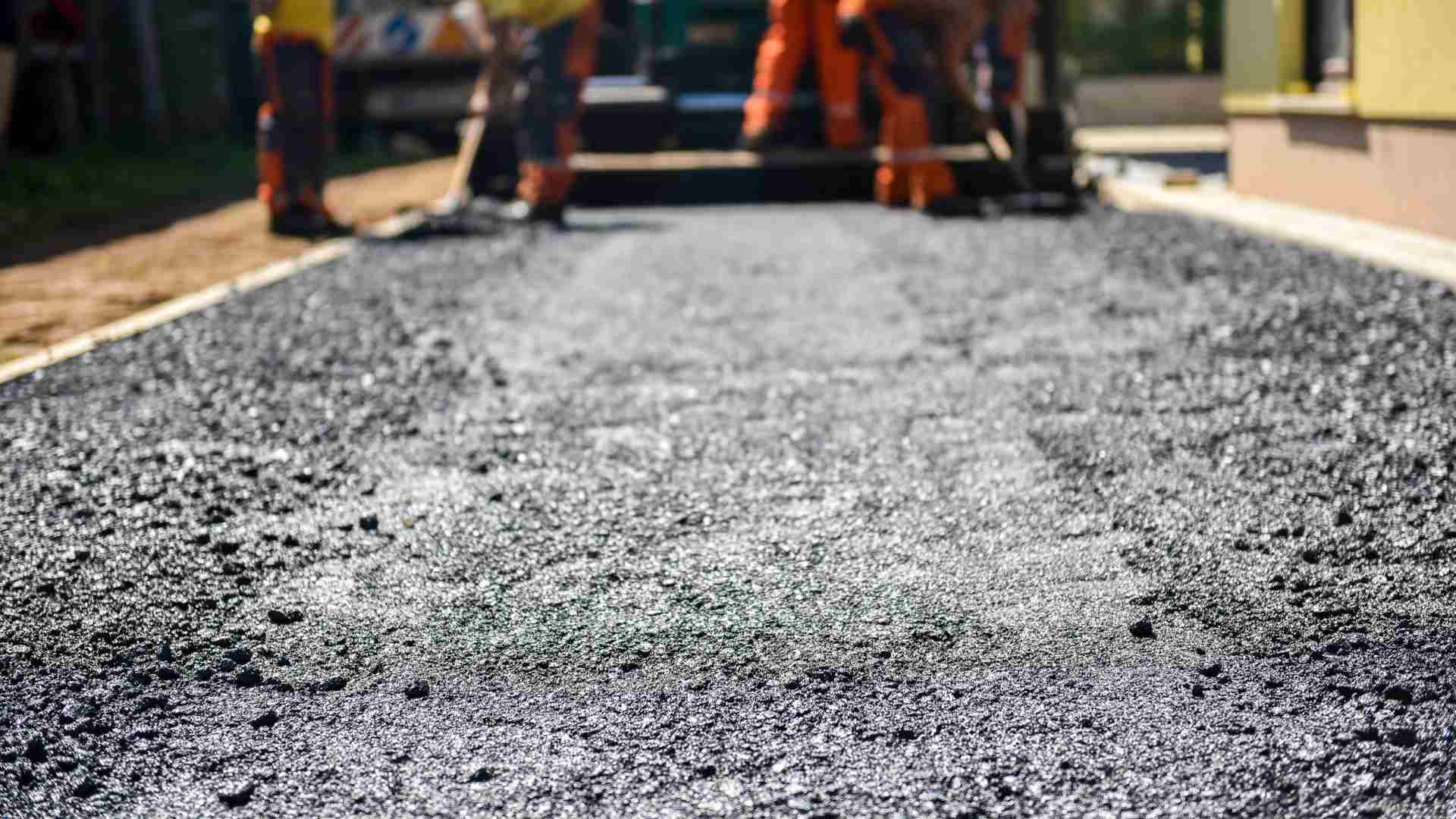
Stop Overpaying for Asphalt. Take Control of Your Supply, Quality, and Margins.
If your business or municipality currently relies on third-party asphalt suppliers, you are leaving up to 30% of your project margin on the table. Between fluctuating market prices, delivery delays, and inconsistent mix quality, external sourcing is a risk to your bottom line. Sinotech Batch Mixing Plants empower you to produce high-specification asphalt on-demand, at a fraction of the cost.
Why Make the Switch to Self-Production?
- Direct Cost Savings of 30% or More: By purchasing raw bitumen and aggregates in bulk and producing your own mix, you eliminate the supplier’s markup and high logistics fees. Most Sinotech clients achieve full ROI (Return on Investment) within the first 12 to 18 months of operation.
- 100% Quality Sovereignty: Never reject a delivery again. Whether you need standard hot-mix, polymer-modified, or recycled asphalt (RAP), you control the recipe. Test batches in your onsite lab and ensure every ton meets your exact project standards.
- Beat the “Supply Peak” Bottlenecks: During peak construction season, third-party plants often prioritize their largest clients, leaving you with delays. With your own Sinotech plant, you are the priority. Produce exactly what you need, exactly when you need it—24/7.
- Turn Excess Capacity into Revenue: Once your own project needs are met, your Sinotech plant becomes a profit center. Sell surplus asphalt to local contractors or neighboring municipalities to generate an additional high-margin revenue stream.
Proven Success Story: The “Producer” Advantage
“We used to spend $2M annually purchasing asphalt for our municipal road repairs. After installing a Sinotech 80t/h Batch Plant, our production costs dropped by 28%, and we now generate $400k in extra annual revenue by selling surplus mix to local sub-contractors.” — CEO, Infrastructure Construction Firm
For Asphalt Sellers and Rental Firms
Stop Competing on Price. Start Dominating Your Local Market with High-Margin Asphalt Solutions.
For material distributors and equipment rental firms, profitability hinges on your ability to control supply and offer what others can’t. Sinotech Group provides the technological edge you need to vertically integrate your business, allowing you to move up the value chain from simply selling raw materials to producing high-demand, high-margin asphalt blends.
Why the asphalt plant is the Ultimate Asset for Your Portfolio:
- Capture Vertical Margins: Instead of reselling third-party asphalt with thin margins, purchase bitumen and aggregates in bulk and produce your own branded mixes. By owning the production line, you capture the manufacturer’s profit, increasing your net margin per ton by 25%–40%.
- Offer Specialty, High-Value Blends: Differentiate yourself from local competitors. Use Sinotech’s precision dosing systems to produce specialty mixes—such as Polymer-Modified Asphalt (PMA), Warm-Mix, or High-RAP content—that command premium prices and secure long-term municipal contracts.
- Built for the Rental Market (Extreme Durability): If you lease equipment, you need machinery that survives diverse operators and harsh environments. Our plants feature high-chromium wear-resistant liners and heavy-duty components designed for 24/7 high-intensity operation with minimal maintenance.
- Smart Asset Management via IoT: Track your investment from anywhere. Our integrated Industrial IoT platform allows you to monitor production volumes, fuel consumption, and component health in real-time, ensuring your rental assets are being operated efficiently and safely.
The Distributor’s Edge: A Success Story
“Transitioning from a pure aggregate distributor to an asphalt producer was our best strategic move. With our Sinotech plant, we now offer ‘One-Stop’ service to our contractor clients, doubling our revenue while maintaining full control over our delivery schedules.” — General Manager, Southeast Asia Material Logistics Corp
What Is A Cold and Hot Asphalt Plant?
A Cold Mix Asphalt Plant is a type of facility used to manufacture asphalt mixes at ambient temperatures. Unlike traditional hot mix asphalt plants, which require heating to high temperatures, cold-mix plants produce asphalt by combining aggregate, bitumen emulsion, and additives without the need for heating. This process not only reduces energy consumption but also makes the plant suitable for a wide range of applications.
It is mixed with natural stones such as aggregate/gravel on the road surface and laid in a cold state. It is a very economical option for temporary fixes, minor patches and repairs when the weather conditions are not good. When applying cold asphalt, the area planned to be repaired should be dug adequately.
Hot asphalt, on the other hand, is obtained by mixing the bitumen, which has been dried and heated at 145-160ºC and viscous liquefied bitumen by heating to approximately the same temperature, in the asphalt plant in certain proportions, at least 3 different particle size groups, including the aggregate coarse, fine and filler, in accordance with the mixture design ratios.
We manufacture cold asphalt plants and hot asphalt plants for your different asphalt applications. Contact us to get more information and catalouge
Asphalt Drum Mix Plant VS Batch Type Plant
Choosing between an Asphalt Drum Mix Plant and a Batch Type Plant depends primarily on your project’s scale and the required precision of the asphalt mix.
Asphalt Drum Mix Plant
The Asphalt Drum Mix Plant operates as a continuous process. Aggregates are dried and mixed with bitumen simultaneously within the same rotating drum. This design simplifies the machinery, making it more cost-effective and mobile.
- Best For: Long-term, large-scale projects like rural highways where a consistent, single type of asphalt is needed in high volumes.
- Pros: Lower initial investment, fewer moving parts (less maintenance), and faster relocation.
- Cons: Less precision in aggregate weighing; difficult to change the mix “recipe” without stopping production.
Asphalt Batch Type Plant
The Asphalt Batch Type Plant produces asphalt in individual batches. Each component (aggregate, bitumen, and filler) is weighed separately before being mixed in a pugmill. This ensures the highest level of accuracy and quality.
- Best For: High-specification projects like airport runways or urban roads that require frequent changes to the asphalt mix or strict environmental compliance.
- Pros: Superior quality control, high flexibility for multiple recipes, and better pollution control systems.
- Cons: Higher fuel consumption due to batching cycles and a more complex, expensive setup.
Recommendation
- Choose a Drum Mix Plant if your priority is high-volume production and low operational costs for standard road projects.
- Choose a Batch Type Plant if your priority is precision, quality assurance, and the ability to serve different clients with varying asphalt recipes on the same day.
Asphalt Plant Video on Worksite
What Kinds of Aggregates Bitumen Plant Process
In the production of hot mix asphalt (HMA), various types of aggregates are used, including:
- Stones: Stones are the largest aggregate particles and provide the base for the HMA mix. They are typically quarried and crushed into different sizes, ranging from coarse to fine.
- Gravel: Gravel is smaller than stones and is used to provide a filling material in the HMA mix. It is also crushed and graded into different sizes.
- Sand: Sand is the smallest aggregate particle and is used to provide stability and workability to the HMA mix. It is also used to help bind the other aggregate particles together.
- Bentonite: Bentonite is a type of clay used to improve the workability of the HMA mix. It is added to the mix in small quantities to help bind the aggregate particles together and improve the flow of the mix.
- Rapid-setting sand: Rapid-setting sand is a special type of sand that is used in HMA mixes to improve their workability and reduce their drying time. It is added to the mix in small quantities to help reduce the drying time of the mix and improve its ability to be worked.
- Screenings: Screenings are the fines produced during the processing of HMA. They are used to improve the workability of the mix and to help bind the aggregate particles together.
- Crushed concrete: Crushed concrete is a recycled material that is sometimes used in HMA mixes. It is crushed and graded into different sizes and used to provide a stabilizing agent in the mix.
- Fly ash: Fly ash is a byproduct of coal combustion that is sometimes used in HMA mixes. It is added to the mix in small quantities to help improve its workability and reduce its drying time.
These aggregates are mixed with hot asphalt cement (also known as bitumen) in a precise ratio to create a homogeneous mixture that can be placed and compacted into a variety of roadway and pavement applications. The specific mixture design and the types and proportions of aggregates used will depend on the intended application and the project requirements.
What Is Gravel’s Ideal Size for Asphalt Mix
The ideal size of gravel for an asphalt mix depends on the specific application and the desired properties of the finished pavement. In general, the size of the gravel used in asphalt production falls into one of the following categories:
- Coarse Aggregate: Coarse aggregate particles are larger than 5 mm (0.2 in) in diameter. They provide the structural strength and stability to the asphalt mix and are typically graded into different sizes, such as 6mm, 10mm, 16mm, etc.
- Fine Aggregate: Fine aggregate particles are smaller than 5 mm (0.2 in) in diameter. They help to improve the workability and flow of the asphalt mix, and are typically graded into different sizes, such as 2.5mm, 4.75mm, 7.5mm, etc.
The exact size distribution of the gravel used in asphalt production will depend on the specific requirements of the job site and the desired properties of the finished pavement. For example:
- For high-traffic pavements, a coarser aggregate size distribution may be used to provide greater structural strength and stability.
- For low-traffic pavements, a finer aggregate size distribution may be used to reduce the amount of material used while still providing adequate workability and flow.
Overall, the ideal size of gravel for asphalt production is the one that provides the desired strength, durability, and workability while minimizing the amount of material used.
Process of Asphalt Manufacturing Plant
The process of asphalt manufacturing in a typical asphalt plant involves the following steps:
Aggregate Handling and Storage: Aggregates, such as sand, gravel, and crushed stone, are stored in designated compartments or hoppers. They are then conveyed to the plant using feeders or conveyor belts.
Drying and Heating: The aggregates are fed into a drying drum, where they are exposed to a stream of hot air. This dries and heats the aggregates, removing any moisture content. The drying process ensures that the aggregates are free from moisture, as excess moisture can affect the quality of the asphalt mix.
Bitumen Handling and Heating: Bitumen, which is the binder used in asphalt mixtures, is stored in tanks at the plant. The bitumen is pumped from the storage tanks and heated to a specified temperature to make it easier to mix with the aggregates. Heaters or heating systems are used to heat the bitumen and maintain it at the desired temperature.
Mixing: Once the aggregates and bitumen reach their respective required temperatures, they are mixed together using a mixer. The mixer can be a pug mill mixer, twin-shaft mixer, or drum mixer, depending on the specific plant design. The mixing process ensures that the aggregates and bitumen are thoroughly combined, resulting in a homogeneous asphalt mix.
Storage and Loadout: The hot asphalt mix is then transported from the mixer to storage silos or tanks, where it is kept at an elevated temperature to maintain its workability. The storage capacity of the plant determines how much product can be stored before it is loaded onto trucks or transported for paving. Loadout systems, such as weigh bridges and conveyor belts, are used to load the asphalt mix into trucks or transport vehicles.
Emission Control: Asphalt plants include emission control systems to comply with environmental regulations. These systems may consist of bag filters, scrubbers, or other mechanisms designed to capture and control any potential emissions or pollutants generated during the manufacturing process.
It’s important to note that the specific processes and equipment used in asphalt manufacturing plants may vary based on the plant’s design, capacity, and technological advancements. Additionally, quality control measures, such as sampling and testing, are implemented throughout the manufacturing process to ensure the production of high-quality asphalt mixtures.
Mini Mobile Hot Mix Asphalt Plant for Sale
Mini portable asphalt plants are compact, efficient, and versatile solutions designed specifically for small to medium-sized road construction projects. These plants offer a balance between functionality, mobility, and cost, making them an attractive option for contractors and businesses looking to optimize their operations without the investment required for larger stationary plants. Here’s a comprehensive overview:
Key Features
- Compact Design: Mini portable asphalt plants feature a streamlined, compact design that allows for easy transportation and rapid setup. This compactness is particularly beneficial for projects in constrained spaces or with varying locations.
- Mobility: Their portability is a hallmark, enabling quick relocation from one project site to another. This mobility reduces transportation costs of the asphalt mix and allows for on-demand, on-site production.
- Production Capacity: While smaller than stationary plants, these mini plants still offer respectable production capacities, typically ranging from 20 to 60 tons per hour. This makes them ideal for small to medium-scale projects.
- Modular Components: The modular design ensures ease of assembly and disassembly. It also allows for customization based on specific project needs, such as adding or removing components.
- Energy Efficiency: Many mini portable asphalt plants are designed with energy efficiency in mind, reducing fuel consumption and lowering operational costs.
- Automated Control Systems: Despite their size, these plants often come equipped with automated control systems for precise mixing and consistent quality of the asphalt mix.
Benefits
- Flexibility in Use: They can be deployed for a variety of projects including road repair and maintenance, rural road construction, car parks, and small driveways.
- Quick Installation: The setup time is significantly reduced due to their designed simplicity and portability, leading to less downtime.
- Cost-Effective: Lower initial investment compared to stationary plants, as well as reduced transportation and operating costs.
- Reduced Lead Times: Having the plant onsite can considerably cut down on the lead times for mixing and laying asphalt, ensuring projects are completed faster.
Considerations
- Project Scale: While these plants are versatile, they are best suited for projects requiring smaller quantities of asphalt. For larger projects, a stationary plant might be more efficient.
- Weather Dependency: Being smaller and often less sheltered than stationary plants, mini portable asphalt plants might be more susceptible to adverse weather conditions, which could potentially affect operations.
- Limited Mix Varieties: They may offer less flexibility in the types of asphalt mix that can be produced compared to larger, more complex plants.
Batch Mix And Drum Mix Asphalt Plant, Which One To Choose?

The choice between a batch mix and a drum mix asphalt plant depends on various factors such as project requirements, production volume, mobility, and specific characteristics of the asphalt mix being produced. Here are some key points to consider for each type:
Batch Mix Asphalt Plant:
- Flexibility: Batch plants offer greater flexibility in producing different mix designs and asphalt formulations. They allow for precise control of each ingredient in the mix, enabling customization and adjustments as per project specifications.
- Quality Control: Batch plants provide better control over the mixing process, resulting in consistent and high-quality asphalt mixtures. The ability to test and analyze each batch allows for tighter quality control measures.
- Reproducibility: Batch plants are well-suited for projects that require the production of specific asphalt mixtures repeatedly. They excel in producing uniform mixtures with consistent properties.
- Ideal for Small and Medium Projects: Batch plants are commonly used for smaller to medium-scale projects that have periodic and intermittent asphalt requirements.
- Easy Maintenance: Batch plants generally have easier maintenance and cleaning procedures due to their design and setup.
Drum Mix Asphalt Plant:
- Continuous Production: Drum mix plants offer continuous production, making them suitable for projects with high asphalt demand and continuous paving operations. They provide a constant flow of asphalt mix.
- Efficiency: Drum mix plants are known for their high production rates and efficiency. They have shorter mixing and drying times, resulting in faster production and increased output.
- Lower Initial Investment: Drum mix plants often require a lower initial investment compared to batch plants, making them a more economical choice for certain projects.
- Easy Operation: The operation of drum mix plants is relatively simple and requires less labor compared to batch plants. This can be advantageous for projects with limited resources or remote locations.
- Mobility: Drum mix plants are often designed with mobile or portable configurations, allowing for easy transportation and setup in different project locations.
Ultimately, the choice between a batch mix and a drum mix asphalt plant depends on your specific project requirements, volume of asphalt production needed, desired level of customization, and budget considerations. It is recommended to consult with asphalt plant manufacturers or industry professionals to determine the most suitable option for your specific needs.
Do You Need A New Asphalt Plant Or A Used One?
The decision between buying a new or used asphalt plant depends on several factors, including budget, project requirements, expected lifespan of the plant, and the availability of suitable used plants in the market. Here are some points to consider:
Advantages of Buying a New Asphalt Plant:
- Longevity: A new asphalt plant typically comes with updated technology, improved efficiency, and a longer lifespan compared to a used plant. It can provide reliable operation for several years, reducing the need for frequent repairs or replacements.
- Customization: New plants offer the opportunity to customize the design and specifications based on your specific project requirements. You can choose the features, capacity, and components that align with your production needs.
- Latest Technology: Newer asphalt plants often incorporate the latest technology advancements and innovations, making them more efficient, environmentally friendly, and capable of producing high-quality asphalt mixtures.
- Warranty and Support: Purchasing a new plant usually comes with manufacturer warranties and after-sales support. This can provide peace of mind and assistance in case of any issues or technical difficulties during the initial stages of plant operation.
Advantages of Buying a Used Asphalt Plant:
- Lower Initial Cost: Used asphalt plants are generally less expensive than new ones, which can be advantageous if you have budget constraints or need a temporary solution for a specific project.
- Immediate Availability: As used plants already exist in the market, they are often readily available for purchase. This can be beneficial if you have an urgent need and cannot wait for the manufacturing and delivery time of a new plant.
- Cost-effective for Small Projects: If you have a small-scale project with lower asphalt production requirements, a used plant may be a cost-effective option as it can fulfill your needs without a significant investment in a new plant.
It is important to carefully evaluate the condition, history, maintenance records, and reliability of a used asphalt plant before making a purchase. Engaging with reputable sellers or working with experienced professionals can help ensure that you get a used plant that meets your quality and performance expectations.
In summary, while a new asphalt plant offers benefits such as modern technology, customization, and longevity, a used asphalt plant may be a suitable option if you have a limited budget or short-term project needs. Consider your specific circumstances, project requirements, and long-term plans to make an informed decision.
Asphalt Plant Price
| Model | Price Range |
| Stationary Asphalt Mixing Plant for Sale | $100,000 – $1,000,000 |
| Mobile Asphalt Mixing Plant for Sale | $60,000 -$550,000 |
| Simple Asphalt Mixing Plant for Sale | $55,000 – $65,000 |
| Continuous Asphalt Mixing Plant for Sale | $60,000 – $180,000 |
Please note that the following price range is provided as a reference for the four types of asphalt batching plants. The actual prices may vary based on several factors, including machine capacity, additional equipment, and installation costs.
The prices of our asphalt batching plants are influenced by the specific model chosen. Generally, larger models are priced higher compared to smaller ones.
Rest assured, we strive to offer competitive and reasonable prices for all our asphalt mixing machines. We are committed to providing you with the manufacturer’s price to help you optimize your budget.
If you are interested in learning more about our machines, please feel free to contact us at any time. We are here to assist you.
Global Cases
Stationary Asphalt Plant in Indonesia

Continuous Asphalt Plant in Mexico

Mobile Asphalt Plant in Georgia

Continuous Asphalt Plant in Zambia

Other Equipment You May Need
11
Models
31
Models
19
Models
5
Models
9
Models
Capacity: 5 – 30m³/h
Capacity: 25 – 240m³/h
Capacity: 30 – 88m³/h
Rated Power: 36.8 – 110kw
Capacity: 3 – 10ton
Why Choose US?

Pre-sale Service
Provide the customers with 24-hour technical consultations and services, answer the questions of the customers in a timely with patience and passionately explain the performances and characteristics of the product to the customers in detail.
Provide the customers with the selection service before buying the machine according to relevant information offered by the
customers, and ensure the product is satisfactory and works well by checking and calculating the investment cost and investment
return for the customers.
Dispatch the engineering technicians to survey and plan the site and offer the optimized and reasonable construction scheme for the
station.
In-sale Service
Assist in formulating the construction scheme and procedure in detail, and offer the technical data, and guide the construction of the foundation.
Dispatch the experienced engineering technicians to guide installation, debugging, and trial run on the site until the equipment can run normally.
Implement technical training for the operating and maintaining personnel of the equipment for free in order to ensure they can operate independently and skillfully and remove the command fault while running the equipment.
After-sale Service
Offer maintenance service for free within the warranty period for any non-artificial quality problems. We shall reply within upon receiving the fault notice from the user and arrive at the construction site within the time prescribed in order to ensure the equipment can run normally.
Provide the customers with long-term excellent technical support and supply of spare parts at preferential prices, and ensure the equipment achieves the best working state by cooperating with the users closely.
. Certifications
Our Certifications


