
Optimizing Heavy Equipment for Mining & Infrastructure in Africa (2026)
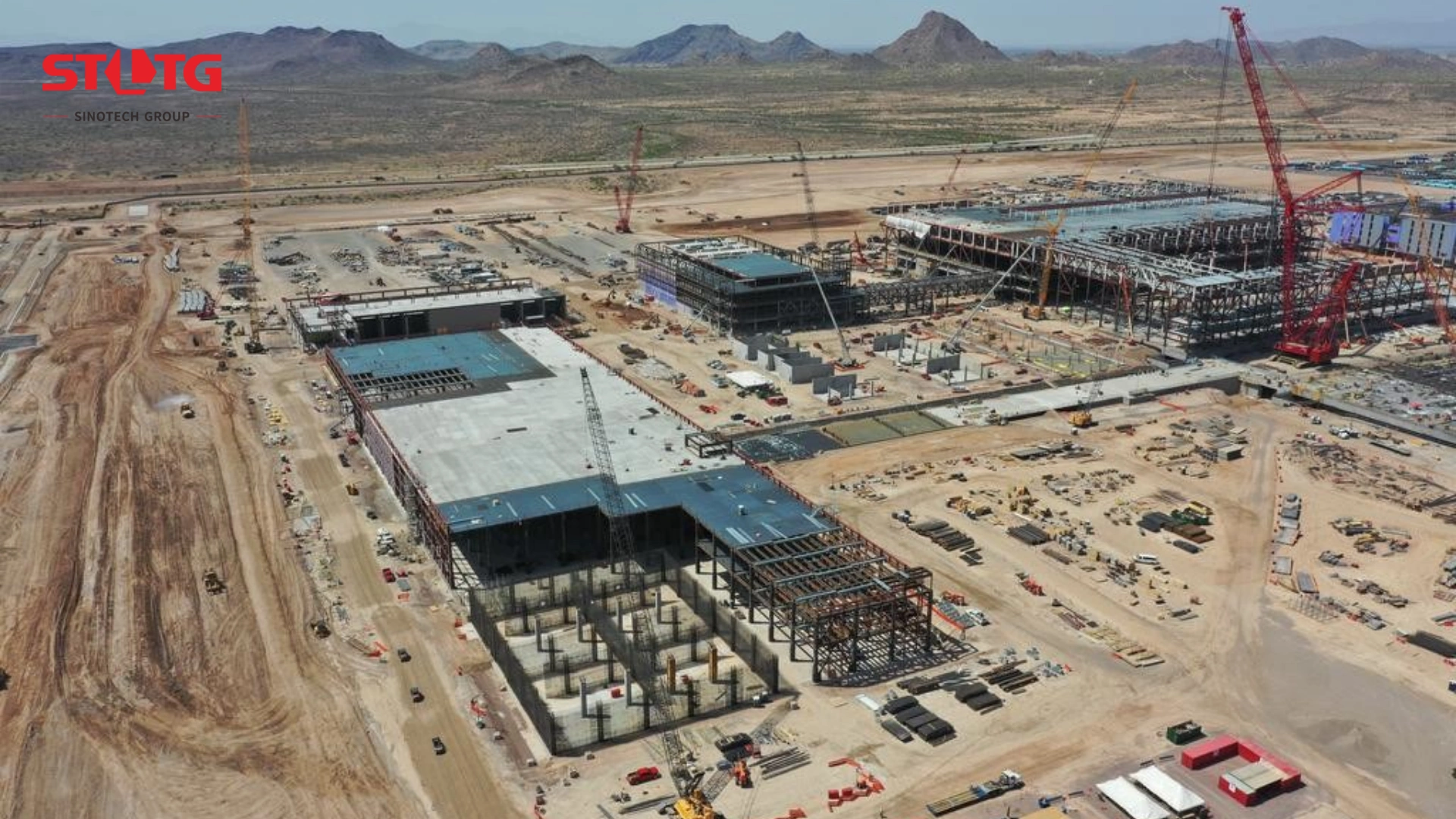
The African continent is currently undergoing one of the most significant infrastructure and mining booms in history. From the copper belts of Zambia to the road networks of West Africa, the demand for heavy machinery is skyrocketing.
However, international procurement managers often face a critical disconnect: equipment designed for the pristine highways of Europe or the mild climates of East Asia often fails prematurely in the rugged terrains of Africa.
For construction firms and mining operators, the strategy for 2025 is not just about buying horsepower; it is about buying adaptability. Based on data from over a decade of export operations, here is a technical breakdown of the three non-negotiable factors that determine equipment longevity in the African market.
The Fuel Quality Dilemma: Filtration vs. Calibration
One of the most frequent causes of unplanned downtime in African mining operations is fuel system failure. While global standards are moving towards Euro V and VI emissions, fuel quality in remote regions remains a variable. High sulfur content, water contamination, and particulate impurities are operational realities.
Instead of relying on fragile systems designed for sterile environments, machinery optimized for Africa must prioritize tolerance.
- Three-Stage Filtration System: A standard single water separator is insufficient. The gold standard for this market is a multi-stage system:
- Heavy-duty Pre-filter/Water Separator: Removes bulk water and large debris.
- Primary Filter: Protects the transfer pump.
- Secondary Fine Filter: Captures particles down to 4-5 microns. Note: While finer filtration exists, a 4-5 micron balance ensures high dirt-holding capacity, preventing the filter from clogging every few hours.
- Adaptive Engine Calibration: Leading manufacturers are now offering engines with specialized ECU mapping. These are calibrated to handle diesel with varying cetane numbers and higher sulfur content, significantly reducing the risk of injector failure compared to standard Western configurations.
Structural Integrity: Material & Welding Standards
African terrain presents a unique challenge: unpaved, undulating haul roads. In a quarry or mine, a wheel loader or excavator is subjected to constant torsional stress that goes far beyond static load bearing.
Buyers must scrutinize the steel grades used in chassis construction. Standard mild steel (often found in budget machinery) risks fatigue cracking under constant vibration.
- The Standard: Equipment optimized for this region utilizes High-Strength Low-Alloy (HSLA) steel.
- What to Look For: Verify that frames are constructed with materials equivalent to ASTM A572 Grade 50 or EN S355. These materials offer significantly higher yield strength and impact toughness than standard Q235 or mild construction steel.
The Welding Factor: Consistency is Key
Even the best steel will fail if the bond is weak. Manual welding, subject to human fatigue, often leads to inconsistent seam quality.
- Robotic Precision: Prioritize machinery built with robotic welding lines. This technology ensures consistent penetration depth and thermal control, eliminating the micro-cracks that typically propagate into major structural failures at articulation points.
- Reinforced Articulation: Ensure hinge pins and bearings are oversized to handle the increased friction from dust ingress and heavy loads.
Heat and Dust: The Cooling & Air Intake Ecosystem
In regions like the Sahel or the Namib Desert, ambient temperatures frequently exceed 45°C (113°F). Standard cooling systems designed for temperate zones often lead to overheating and engine derating.
- Wide-Fin Radiators: High-density, automotive-style radiators clog easily with chaff and dust. The preferred design for Africa features wide fin spacing. Սա թույլ է տալիս մեխանիկական աղտոտիչներին անցնել և շատ ավելի հեշտացնում է սեղմված օդով օրական մաքրումը։.
Շատ փոշոտ հանքերում շատ պարզ թղթե ֆիլտրը շարժիչի համար մահվան դատավճիռ է։.
- Ցիկլոնային նախնական մաքրիչներ. Ամենահուսալի մեքենաները սարքավորված են ցիկլոնային նախնական մաքրիչով (կամ բացառապես դեպքերում՝ յուղային լոգանակային համակարգով)։ Այս համակարգը օգտագործում է ցենտրիֆուգային ուժ՝ մինչև 90% ծանր փոշու նախքան այն հասնի գլխավոր օդի ֆիլտրի տարրին: Այս պարզ լրացումը կարող է երկու կամ երեք անգամ մեծացնել ձեր թանկարժեք ֆիլտրի տարրերի աշխատանքային ժամկետը:.
Տնտեսական տեղաշարժ՝ ընդհանուր սեփականատիրական ծախսեր (TCO)
2025 թվականին բարեխելոք մատակարարումը տեղաշարժվում է “ամենացածր սկզբնական գնից” դեպի “ամենացածր գինը մեկ ժամվա համար”:”
Երբ մեքենան անջատվում է հեռավոր շրջանում, ծախսը չի սահմանափակվում վերանորոգմամբ՝ դա նաև կանգնեցված արտադրական գիծն է: Մատակարարման շղթայի ճկունությունը այժմ արդե already արտադրանքի մասն է:.
- Մասերի փոխանակելիություն. Արդյո՞ք մեքենան օգտագործում է արտադրողի սեփական մասեր, որոնք առաքվելու համար պահանջվում է շաբաթներ, թե՞ այն օգտագործում է արդյունաբերության ստանդարտ մասեր (խողովակներ, ֆիլտրներ, ատամներ), որոնք հասանելի են աֆրիկյան տեղական կենտրոններում:
- Մեխանիկական պարզություն. Չնայած էլեկտրոնիկան բարելավում է արդյունավետությունը, սակայն չափից շատ սենսորները կարող են դառնալ խնդիր հեռավոր շրջաններում: Ժամանակակից արդյունավետության և մեխանիկական սպասարկելիության հավասարակշռությունը հաճախ ամենաշահավետ ճանապարհն է հեռավոր վայրերի համար:.
Աֆրիկյան շուկան չի ներեում միջին արտադրանքը: Երբ գնահատում եք ձեր հաջորդ մեքենաների բաղադրամասը, նայեք գեղեցիկ բրոշյուրից այն կողմ:.
Հարցրեք ձեր մատակարարին ֆիլտրացման միկրոնային ցուցանիշը, ստուգեք պողպատի ամրության ստանդարտները, և ստուգեք ռադիատորի թերթիկների դիզայնը. : Մայրցամաքի ծանր պայմաններում այս տեխնիկական մանրամասներն են որոշում ձեր նախագծի շահավետությունը:.
Պետք է տեխնիկական սպեցիֆիկացիաներ?