
The Technical Standard for Heavy Machinery Surface Treatment

For heavy machinery operating in open-pit mines or tropical rainforests, corrosion is not merely a cosmetic issue—it is a silent killer of asset value and structural integrity.
In high-humidity, high-salinity, or acidic mining environments (classified as C5-I or C5-M under ISO 12944 standards), a standard commercial paint job is insufficient. Without industrial-grade surface treatment, the steel structures of excavators and loaders will suffer from coating delamination within months, leading to structural fatigue and plummeting resale value.
This guide defines the engineering standards that professional procurement teams must verify to ensure equipment longevity in harsh environments.
Surface Preparation Standard: Why Sa 2.5 is the Minimum Requirement
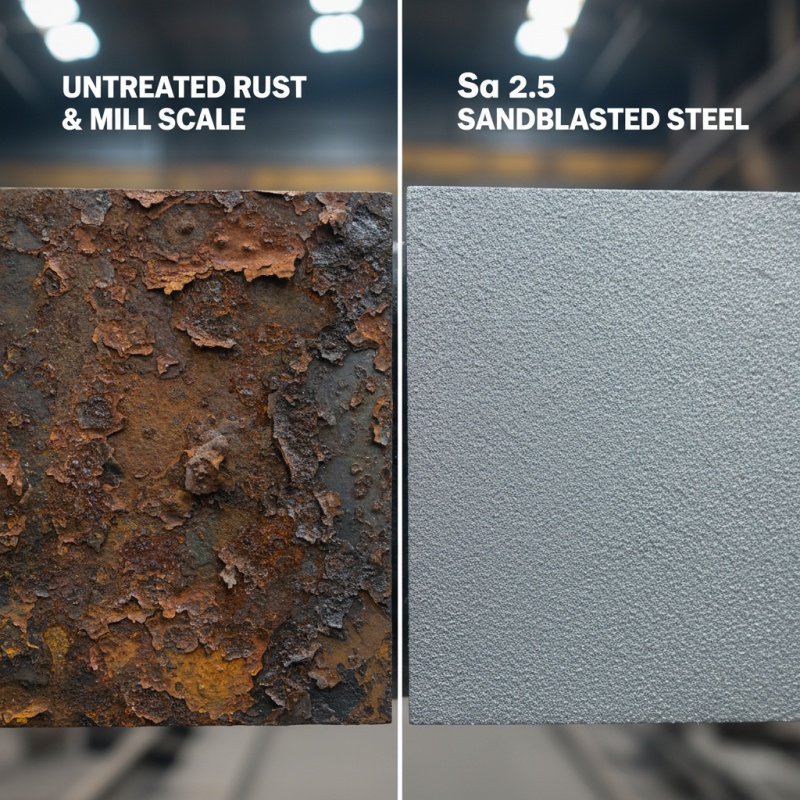
The longevity of a coating system depends 70% on surface preparation. If the steel substrate is not properly prepared, even the most expensive coating will fail.
The Standard:
For mining machinery, the mandatory requirement is ISO 8501-1 Sa 2.5 (Near White Metal Blasting).
- Cleanliness: The process must remove mill scale, rust, and oil, ensuring 95% of the surface is visible bare steel. Manual sanding (St 2/St 3) is strictly non-compliant for heavy-duty equipment.
- Anchor Profile (Roughness): Blasting implies more than just cleaning; it must create a microscopic surface roughness.
- General Standard: An anchor profile of Rz 40–70 microns is required to allow the primer to mechanically “lock” into the steel.
- High-Impact Standard: For equipment subject to intense vibration (e.g., Crushers, Rock Loaders), the anchor profile should be optimized to the upper limit (Rz 60–70 microns) to maximize bonding strength.
Buyer’s Audit Tip: Do not just accept a “yes” for blasting. Request a Surface Profile Test Report to verify the Rz value matches the equipment’s intended usage.
The 3-Layer Coating System: Composition & Thickness

Աբրազիվ փոշու և քիմիական հոսքի ենթարկվող սարքավորումների համար ներկի մեկ շերտը անբավարար է: Համապատասխան կոռոզիայի դեմ պաշտպանող համակարգը պետք է բաղկացած լինի երեք տարբեր քիմիական շերտերից՝ Ծանրաբեռնված չոր ֆիլմի հաստությամբ (DFT) 250–350 մկմ (C5-M գոտիների համար առաջարկվում է ≥300 մկմ):.
Շերտ 1. Ցինկով հարուստ էպոքսիդային պրայմեր («Զոհաբերվող պաշտպանություն»)
- Ֆունկցիա. Կաթոդային պաշտպանություն:.
- Պահանջ. Պրայմերը պետք է պարունակի բարձր մաքրության ցինկի փոշի: Եթե ծածկույթը վնասվի մինչև մետաղի մակերեսը, ցինկը աշխատում է որպես զոհաբերվող անոդ և կոռոզվում է փոխարենը երկաթբետոնե կառուցվածքի, որպեսզի կանխվի ենթամակերեսային կոռոզիան (ժանգի տարածումը):.
Շերտ 2. Էպոքսիդային միկացեալ երկաթի օքսիդի միջանկյալ շերտ («Բարիեր»)
- Ֆունկցիա. Ֆիզիկական պաշտպանություն:.
- Պահանջ. Այս շերտը պետք է օգտագործի միկացեալ երկաթի օքսիդի (MIO) ներկատար նյութեր: Այս թելանման մասնիկները զուգահեռ են դասավորված ենթաշերտի նկատմամբ՝ “լաբիրինթի էֆեկտ” ստեղծելով, որը ֆիզիկապես արգելափակում է ջրի և թթվածնի ներթափանցումը ծածկույթի մեջ:.
Շերտ 3. Ակրիլային պոլիուրետանի վերին շերտ («Պաշտպանական վահան»)
- Ֆունկցիա. Եղանակային դիմացկունություն:.
- Պահանջ. Վերին շերտը պետք է լինի ՈՒՖ-դիմացկուն՝ արեգակնային ճառագայթների տակ մաշվելու (մատակարարման) կանխման համար և պետք է ունենա բարձր ֆիզիկական կարծրություն՝ քարերի և այլ արտաքին ազդակների առաջացրած գծանքների դիմացկունության համար:.
Բարդ երկրաչափական ձևերի պաշտպանություն. Էլեկտրոներկման ստանդարտը
Կառուցվածքային շրջանակները (շասի/բումերը) օգտագործում են վերը նշված սփրեյային համակարգը, սակայն բարդ բարակ պատերով բաղադրիչները (կաբինետները, շարժիչի ծածկոցները, բռնակները) պահանջում են այլ մոտեցում՝ “ստվերային տարածքների” խուսափելու համար, որտեղ սկսվում է ժանգակուտակումը:.
The Standard:
For these components, Cathodic Electrodeposition Coating (E-Coating) should be used as the base primer.
- Why it matters: E-Coating involves submerging the part in an electrified paint bath, ensuring 100% coverage even inside box sections and weld seams.
- Integration: E-Coating alone is not enough for the exterior. It must serve as the foundation, followed by the Intermediate and Topcoat layers, forming a composite system of “E-Coat Base + 3-Layer Protection.” This is the only way to guarantee comprehensive protection for complex parts.
Verification Protocols: Beyond Standard Salt Spra
How do you validate these specs before purchase? The industry standard is the Neutral Salt Spray Test (ASTM B117 or ISO 9227). However, for mining, the acceptance criteria must be higher than general industry standards.
Recommended Acceptance Criteria:
| Test Environment | Minimum Duration (No Blistering/Rust Creepage) |
| Standard Industrial (C3) | 500 Hours |
| Mining / Marine (C5-M) | 1,000+ Hours |
Advanced Verification (The Acid Test):
For mines with high sulfur content or acidic groundwater, a standard salt spray test may be deceptive. Buyers should request verification via the Acidified Salt Spray Test (ASTM G85). This simulates the aggressive chemical corrosion found in real-world mining pits, offering a far more accurate prediction of equipment lifespan.
The ROI of Surface Treatment
Surface treatment specifications are often overlooked in favor of engine power or bucket capacity, yet they are the defining factor in asset residual value.
Demanding Sa 2.5 preparation, a ≥300 micron 3-layer system, and 1000+ hour test validation is not “over-specifying”—it is a strategic financial decision. It eliminates expensive on-site repainting logistics and ensures the asset commands a premium price on the second-hand market after 5-10 years of service.
FAQ: Technical Quick Reference
Q1: Why is the Anchor Profile (Rz value) important in blasting?
A1: The Anchor Profile creates the physical “tooth” for the paint to grip. If the surface is too smooth (low Rz), the paint will peel off under vibration. For mining equipment, an Rz of 40–70 microns provides the necessary mechanical bonding strength to withstand heavy duty cycles.
Q2: Can E-Coating replace the 3-layer painting system?
A2: No. While E-Coating offers excellent coverage for complex shapes, it lacks the UV resistance and thickness required for exterior mining conditions. The correct standard is to use E-Coating as a high-quality primer base, then apply the intermediate and topcoats over it for maximum durability.
Q3: How do I verify if a machine meets C5-M anti-corrosion standards?
A3: Ask the manufacturer for three specific documents:
- Blasting Report: Confirming Sa 2.5 cleanliness and Rz 40-70μm profile.
- Coating Spec Sheet: Confirming a Zinc-Rich + MIO + PU system with ≥300μm total thickness.
- Lab Test Results: Proof of passing 1,000+ hours in Salt Spray Testing (ASTM B117).
Q4: Is a thicker paint layer always better?
A4: Not necessarily. Excessive thickness can lead to cracking. The optimal range for heavy machinery is 250–350 microns. This balance provides sufficient barrier protection without compromising the coating’s flexibility.