
Умное техническое обслуживание: влияние ИИ на тяжёлую технику
Тяжёлая техника составляет основу критически важных отраслей, таких как строительство, горнодобыча, сельское хозяйство и логистика. Однако обеспечение её оптимальной производительности и длительного срока службы традиционно сопряжено со значительными трудностями. Преобладающие подходы к техническому обслуживанию — реактивное (устранение неисправностей после их возникновения) и регламентное (плановое) — зачастую приводят к серьёзным операционным неэффективностям.
Традиционные проблемы технического обслуживания и деструктивный потенциал ИИ
- Реактивное техническое обслуживание: Ремонт начинается только после поломки, что ведёт к дорогостоящему незапланированному простою, потерям в производстве и повышенным расходам на аварийный ремонт.
- Регламентное техническое обслуживание: Компоненты заменяются через фиксированные интервалы, что зачастую приводит либо к преждевременной замене и перерасходу материалов, либо, напротив, не позволяет предотвратить внезапные отказы между плановыми проверками.
- Неэффективные ручные осмотры: Сильно зависящие от опыта человека, ручные проверки подвержены субъективности, человеческим ошибкам и неспособны эффективно охватить все потенциальные риски.
- Разрозненные данные: Данные с датчиков, журналы ремонта и эксплуатационные записи зачастую хранятся обособленно, что затрудняет формирование целостной картины состояния оборудования.
Искусственный интеллект (ИИ) выступает в роли мощного деструктора, обеспечивая переход от “лечения болезней” к “профилактике заболеваний”. Благодаря ИИ техническое обслуживание тяжёлой техники может стать более проактивным, точным, эффективным и экономичным.
Основные области применения ИИ в техническом обслуживании тяжёлой техники сегодня
Интеграция ИИ в техническое обслуживание тяжёлой техники уже приносит ощутимые преимущества в нескольких ключевых областях:
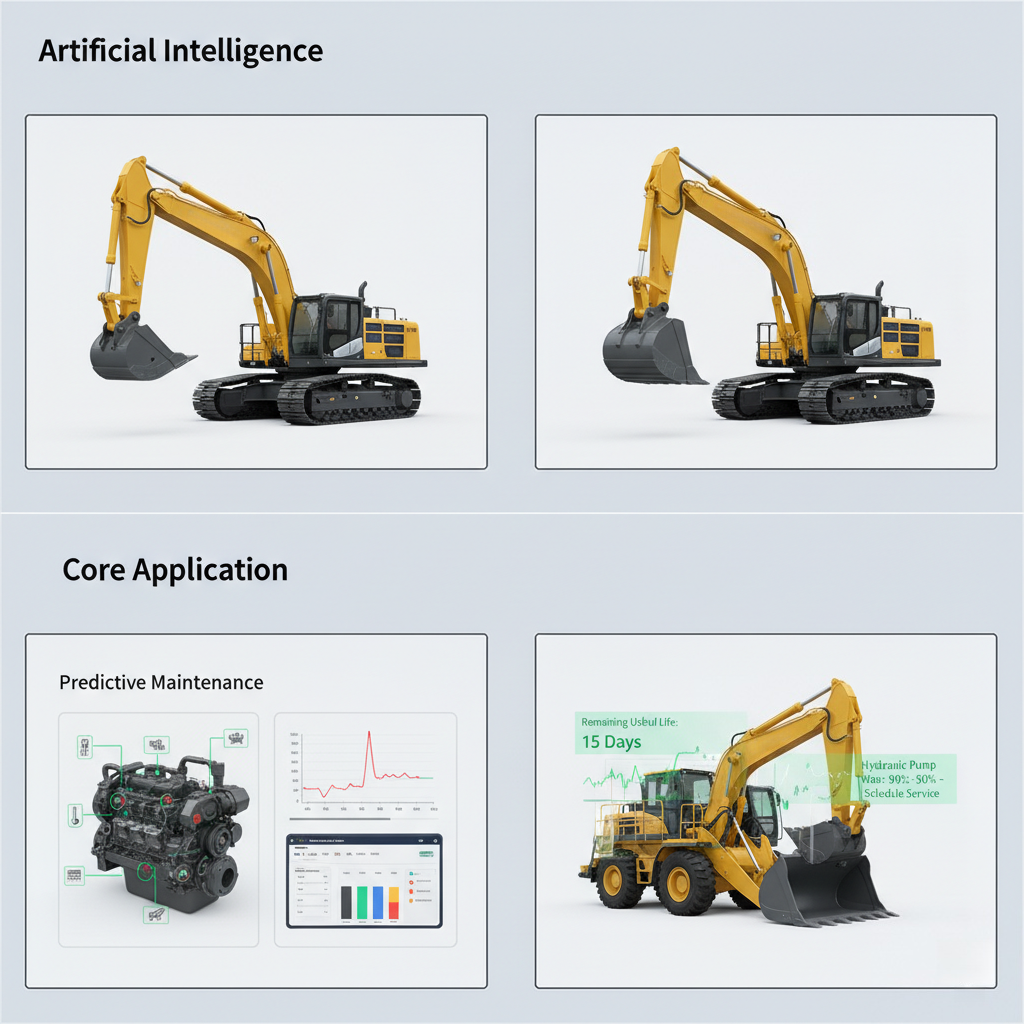
Предиктивное техническое обслуживание (PdM) — наиболее зрелая область применения ИИ
Предиктивное техническое обслуживание находится на передовой применения ИИ, позволяя прогнозировать отказы оборудования до их наступления.
- Сбор и предварительная обработка данных:
- Сети датчиков: Установка различных датчиков (вибрации, температуры, давления, акустических, анализа масла) на критически важные компоненты техники.
- Типы данных: Набор разнородных данных, включая временные ряды, изображения и текстовые данные (журналы технического обслуживания).
- Очистка данных и инженерия признаков: Современные методы обработки шумов, пропущенных значений и извлечения содержательных признаков (например, спектральных признаков на основе преобразований Фурье).
- Модели машинного обучения:
- Обнаружение аномалий: Использование моделей, таких как изолирующие леса (Isolation Forests), метод опорных векторов (SVM) и нейронные сети, для выявления отклонений от нормальных режимов работы.
- Прогнозирование неисправностей: Применение последовательностных моделей, например LSTM или GRU, либо методов ансамблевого обучения для прогнозирования оставшегося срока службы (RUL) компонентов и заблаговременного предупреждения о потенциальных отказах на основе исторических и потоковых данных.
- Классификация и диагностика неисправностей: После обнаружения аномалии модели ИИ способны оперативно определить тип неисправности (например, износ подшипника, поломка зуба шестерни, утечка гидравлической жидкости) и точно указать повреждённый компонент.
- Поддержка принятия решений и формирование практических рекомендаций: На основе предиктивной аналитики система автоматически генерирует приоритизированные графики технического обслуживания и предлагает оптимальные сроки и методы вмешательства.
- Примеры: Прогнозирование неисправностей двигателей карьерных самосвалов, прогнозирование срока службы гидравлических насосов экскаваторов.
Компьютерное зрение (CV) для визуального контроля
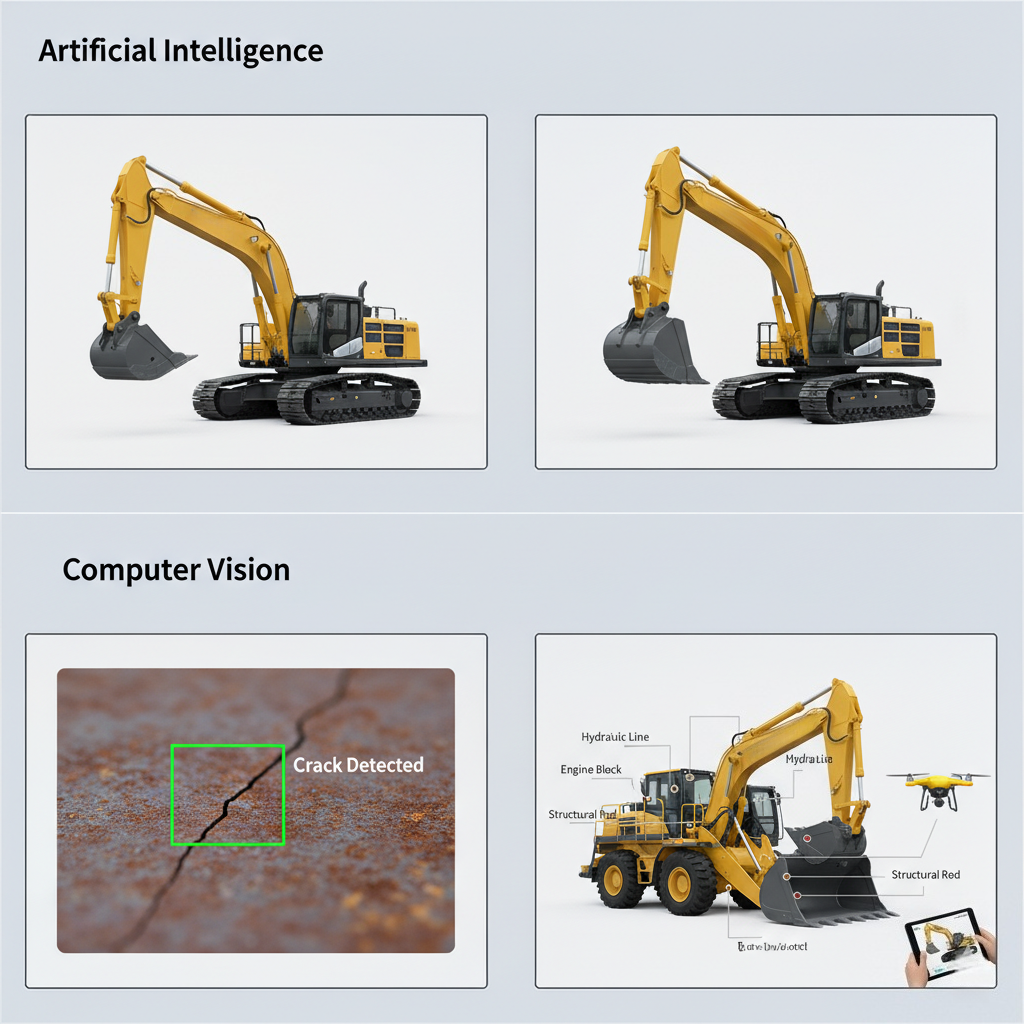
Компьютерное зрение значительно повышает точность и эффективность визуального контроля, особенно при осмотре крупногабаритного или сложного оборудования.
- Обнаружение дефектов: Использование глубокого обучения (свёрточных нейронных сетей — CNN) для автоматического выявления незначительных дефектов, таких как трещины, износ, коррозия или деформация поверхностей оборудования, которые трудно обнаружить визуально или требуют значительных временных затрат.
- Распознавание и подсчёт компонентов: Автоматизация идентификации и учёта деталей при управлении запасами или в процессах сборки.
- Инспекции с помощью дронов и роботов: Интеграция дронов или наземных роботов, оснащённых высококачественными камерами и алгоритмами ИИ, для автономного проведения инспекций крупногабаритного оборудования, особенно в труднодоступных, опасных или высоко расположенных зонах.
- Примеры: Обнаружение износа обуви, идентификация трещин на поверхности конструктивных компонентов.
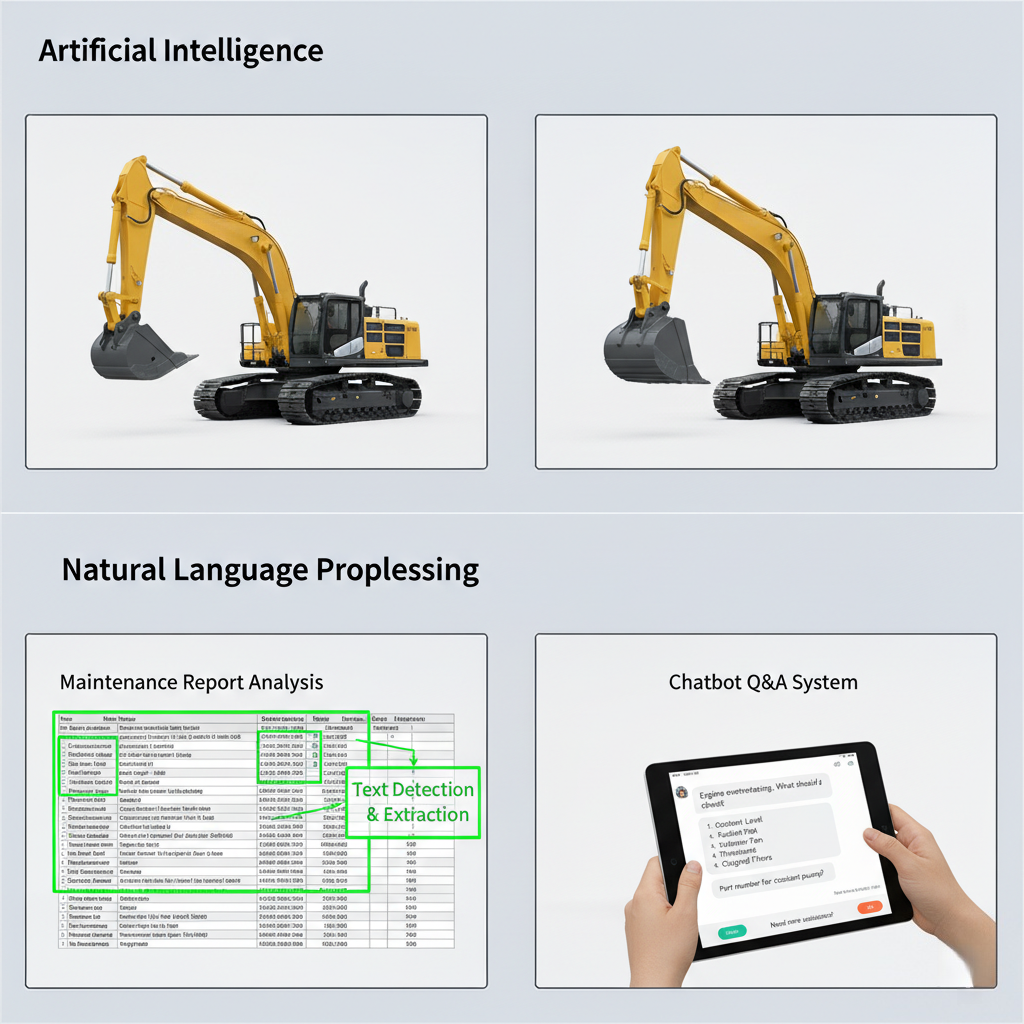
Обработка естественного языка (NLP) для управления знаниями
NLP извлекает ценные сведения из неструктурированных текстовых данных, преобразуя огромные объёмы информации в практические знания.
- Анализ отчётов по техническому обслуживанию: Автоматическое извлечение критически важной информации — таких как симптомы неисправностей, выполняемые ремонтные действия и заменённые детали — из неструктурированных ремонтных журналов и отчётов операторов, что способствует построению графа знаний и оптимизации диагностики неисправностей.
- Интеллектуальные системы вопросов и ответов / чат-боты: Предоставление техникам мгновенного доступа к руководствам по устранению неполадок, справочникам по запчастям и руководствам по техническому обслуживанию, что значительно повышает эффективность сервисного обслуживания.
- Примеры: Выявление повторяющихся скрытых паттернов неисправностей на основе обширного массива заказов на техническое обслуживание.
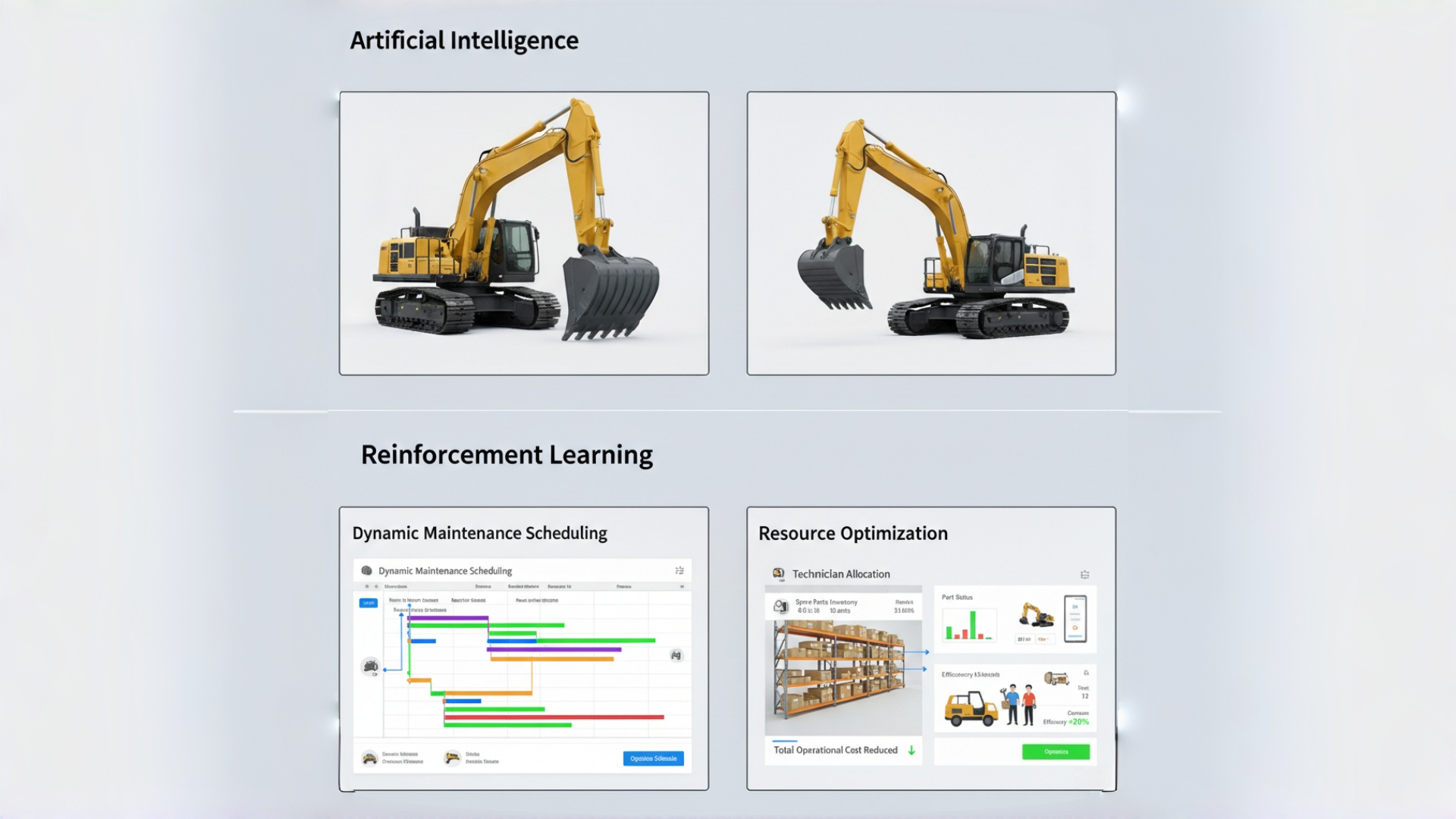
Обучение с подкреплением (RL) для разработки стратегий оптимизации
RL обеспечивает динамический подход к оптимизации сложных процессов технического обслуживания за счёт обучения на основе взаимодействия с окружающей средой.
- Динамическое планирование технического обслуживания: На основе данных о текущем состоянии оборудования, наличии ресурсов и анализа затрат и выгод RL может обучаться и генерировать оптимальные стратегии планирования технического обслуживания.
- Оптимизация ресурсов: Интеллектуальная рекомендация оптимальных уровней запасов запасных частей и распределения техников, что позволяет снизить общие эксплуатационные расходы.
- Примеры: Глобальная оптимизация стратегии технического обслуживания для парка тяжёлой техники.
Ценность и преимущества технического обслуживания тяжёлой техники с применением ИИ
Внедрение ИИ в процессы технического обслуживания даёт множество стратегических преимуществ:
- Значительное сокращение простоев: Превентивные меры минимизируют незапланированные остановки, резко повышая готовность оборудования.
- Увеличение срока службы оборудования: Точное техническое обслуживание снижает излишний износ и повреждения, оптимизируя использование компонентов.
- Снижение затрат на техническое обслуживание: Сокращение потерь запасных частей, оптимизация распределения трудозатрат и предотвращение дорогостоящего аварийного ремонта обеспечивают существенную экономию.
- Повышение эксплуатационной эффективности и безопасности: Оптимизированные процессы технического обслуживания обеспечивают более надёжную работу оборудования и снижают количество инцидентов, связанных с безопасностью.
- Принятие решений на основе данных: Руководство получает доступ к более научно обоснованным и количественно измеримым аналитическим выводам для стратегического планирования.
- Повышение удовлетворённости клиентов: Более стабильная и надёжная работа оборудования укрепляет доверие и лояльность клиентов.
Перспективы развития — передовые тенденции применения ИИ в техническом обслуживании тяжёлой техники
Эволюция искусственного интеллекта продолжает открывать новые горизонты в области технического обслуживания, суля ещё более сложные и комплексные решения:
- Глубокая интеграция ИИ с вычислениями на периферии (edge computing):
- Локальный интеллект: Обработка данных в реальном времени и предварительный анализ непосредственно на самом оборудовании, что снижает задержки и требования к пропускной способности канала при передаче данных в облако.
- Быстрый отклик: Оборудование может оперативнее реагировать на возникающие ситуации.
- Защита конфиденциальности данных: Конфиденциальные данные могут обрабатываться локально, что повышает уровень безопасности.
- Синергия цифровых двойников и ИИ:
- Управление полным жизненным циклом: Создание виртуальных цифровых моделей для каждого физического агрегата, отражающих его текущее рабочее состояние, исторические данные и записи по техническому обслуживанию.
- Высокоточное моделирование и прогнозирование: Модели ИИ обучаются и верифицируются в рамках цифрового двойника, что позволяет выполнять чрезвычайно точные прогнозы будущего поведения оборудования и моделировать неисправности.
- Визуализация процессов эксплуатации и технического обслуживания: Платформы цифровых двойников обеспечивают интуитивно понятную визуализацию состояния и производительности оборудования.
- Фузия многомодальных данных и диагностика сложных систем:
- Интеграция разнородных данных с датчиков: Комбинирование гетерогенных данных по вибрации, температуре, акустике, анализу масла, изображениям и даже голосу оператора для формирования более полного профиля технического состояния оборудования.
- Межсистемный интеллект: Помимо диагностики отдельных компонентов, ИИ будет анализировать взаимозависимости между несколькими подсистемами для устранения сложных отказов на уровне всей системы.
- Совместная работа человека и машины с интеграцией дополненной реальности (AR) и виртуальной реальности (VR):
- Техническое обслуживание с помощью AR: Техники, использующие очки дополненной реальности (AR), могут получать в режиме реального времени генерируемые ИИ диагностики неисправностей, пошаговые инструкции по ремонту и 3D-модели, что значительно повышает эффективность и точность ремонта.
- Удалённая экспертная поддержка: Системы ИИ могут выступать в роли моста, соединяющего персонал на месте с удалёнными экспертами для интеллектуальной помощи.
- Адаптивные и самообучающиеся системы:
- Постоянная оптимизация моделей: Модели ИИ будут непрерывно обучаться и уточняться на основе новых эксплуатационных данных и обратной связи по техническому обслуживанию, адаптируясь к старению оборудования и изменяющимся условиям эксплуатации.
- Платформы без программирования/с минимальным программированием (No-Code/Low-Code): Снижение технического барьера для внедрения ИИ, что позволяет большему числу предприятий самостоятельно разрабатывать и внедрять интеллектуальные решения для технического обслуживания.
Проблемы и решения при внедрении ИИ в техническое обслуживание
Хотя преимущества очевидны, внедрение ИИ в техническое обслуживание тяжёлой техники сопряжено со своими особенностями:
- Качество и объём данных: Обеспечение полноты, точности и репрезентативности данных.
- Решение: Улучшение развёртывания датчиков, создание унифицированных платформ сбора данных и строгое соблюдение протоколов сбора данных.
- Способность модели к обобщению: Применимость моделей к различным типам оборудования и условиям эксплуатации.
- Решение: Использование методов, таких как перенос обучения (transfer learning) и федеративное обучение (federated learning), а также формирование разнообразных наборов данных.
- Конвергенция ИТ и ОТ: Интеграция операционных технологий (ОТ) с информационными технологиями (ИТ).
- Решение: Поощрение межведомственного взаимодействия, применение открытых стандартов и протоколов.
- Дефицит кадров: Недостаток специалистов, обладающих совмещённой экспертизой в области машин и ИИ.
- Решение: Внутренние программы обучения, целенаправленный подбор персонала и партнёрство с академическими учреждениями.
- Срок окупаемости инвестиций (ROI): Первоначальные инвестиции могут быть значительными, поэтому необходимы чёткие оценки ROI.
- Решение: Начинать с небольших пилотных проектов, постепенно расширять масштабы и тщательно количественно оценивать достигнутые результаты.
Мы считаем, что принятие этого перехода к интеллектуальному техническому обслуживанию — это не просто возможность, а стратегическая необходимость для обеспечения долгосрального операционного совершенства и лидерства на рынке.