
Betonmischpumpe
Die SinoTech-Luton-Betonmischpumpe kann bei Wohnbauprojekten, im gewerblichen Bauwesen, bei kommunalen Infrastrukturprojekten und vielem mehr eingesetzt werden.
Hier sind die wichtigsten Modelle, die wir verkaufen:
Dieselbetriebene Betonmischpumpe;
Elektrisch betriebene Betonmischpumpe.
Erleben Sie die Vorteile einer gesteigerten Produktivität, reduzierter Arbeitskosten und verbesserten Qualitätskontrolle mit unserer Betonmischpumpe. Lassen Sie unsere Technologie Ihr Bauprojekt neu definieren.
Jetzt kostenloses Angebot anfordern!

Betonmischpumpe
Unsere Betonmischpumpe vereint Misch- und Pumpfunktionen, vereinfacht so die Abläufe und spart Zeit. Sie zeichnet sich durch einen hohen Förderdruck aus, der eine effiziente, zuverlässige und gleichmäßige Betonzufuhr gewährleistet. Das kompakte Design der Mischpumpe in Verbindung mit ihrer außergewöhnlichen Robustheit macht sie zu einer kostengünstigen Wahl für jedes Bauprojekt.
Max. theo. Betonförderleistung:
30–50 m³/h
Nennfüllkapazität des Mischers:
0,56 m³
Je nach Maschinentyp bieten wir folgende Modelle an:
STLT-Betonmischpumpe – einfach in der Bedienung
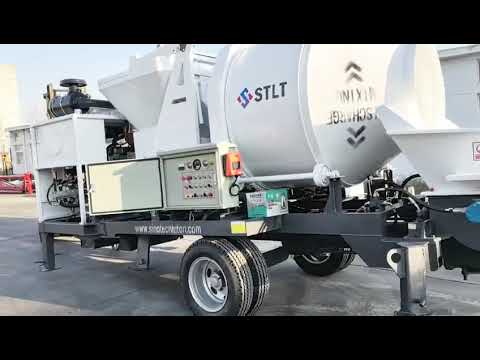
Beliebte Betonmischer mit Pumpfunktion
Aus verschiedenen Blickwinkeln gibt es mehrere Arten von Betonmischpumpen:
Nach Antriebsart:
- Elektrische Betonmischpumpe: Diese Art von Mischpumpe wird elektrisch angetrieben und eignet sich daher besonders für den Einsatz in Innenräumen oder in lärmempfindlichen Bereichen. Sie ist energieeffizient und emittiert weniger Schadstoffe.
- Dieselbetriebene Betonmischpumpe: Diese Mischpumpen werden von Dieselmotoren angetrieben und eignen sich daher besonders für den Einsatz im Freien oder auf abgelegenen Baustellen. Sie bieten eine höhere Mobilität und sind unabhängig von der Stromversorgung.
Nach Mischkapazität:
- Kleine Betonmischpumpe: Hierbei handelt es sich um kompakt dimensionierte Mischpumpen, die für kleinere Bauprojekte oder Bereiche mit begrenztem Platzangebot konzipiert sind. Ihre Mischkapazität ist geringer, doch sind sie äußerst wendig.
- Große Betonmischpumpe: Hierbei handelt es sich um größere Mischpumpen, die für Großbauprojekte oder Anwendungen mit höherem Leistungsbedarf ausgelegt sind. Sie verarbeiten größere Mengen an Betongemischen.
Nach Mobilität:
- Anhängerfahrbare Betonmischpumpe: Diese Mischpumpen sind auf Anhängern montiert und ermöglichen so einen einfachen Transport sowie hohe Mobilität zwischen verschiedenen Baustellen. Sie können von Fahrzeugen gezogen werden und eignen sich daher besonders für Projekte, bei denen häufiger Standortwechsel erforderlich ist.
- Fahrzeugmontierte Betonmischpumpe: Diese Mischpumpen sind auf Lastkraftwagen montiert und kombinieren Misch- und Pumpfunktion in einem Gerät. Sie bieten eine hohe Manövrierfähigkeit, und die gesamte Einheit lässt sich problemlos zur Baustelle transportieren.
Nach Mischerart:
- Trommel-Betonmischpumpe: Bei dieser Art von Betonmischpumpe erfolgt die Vermischung der Betonausgangsstoffe in einer zylindrischen Trommel. Sie ermöglicht gleichzeitiges Mischen und Pumpen von Beton. Die Trommel dreht sich, um den Beton zu vermischen, anschließend fördert das Pumpsystem den gemischten Beton über eine Rohrleitung zum gewünschten Ort. Trommel-Betonmischpumpen werden häufig bei kleineren Bauprojekten oder in räumlich eingeschränkten Bereichen eingesetzt.
- Zweischacht-Betonmischpumpe: Bei dieser Art von Betonmischpumpe erfolgt die Vermischung der Betonausgangsstoffe mittels eines Zweischachtmischers. Das Zweischacht-Design gewährleistet eine gründliche und effiziente Mischung und führt so zu einer hochwertigen Betonmischung. Der gemischte Beton wird anschließend über ein separates Pumpsystem zum gewünschten Ort gefördert. Zweischacht-Betonmischpumpen werden in der Regel bei Großbauprojekten eingesetzt, bei denen eine höhere Produktionskapazität und eine besonders hohe Betonqualität erforderlich sind.
Diese unterschiedlichen Arten von Betonmischpumpen bieten Flexibilität und Auswahlmöglichkeiten, um verschiedenste bautechnische Anforderungen zu erfüllen, und ermöglichen so eine effiziente Mischung und Förderung von Beton in unterschiedlichen Einsatzszenarien.
Arten von Betonmischpumpen zum Verkauf
Willkommen bei unserer Auswahl an Betonmischpumpen zum Verkauf – sowohl in diesel- als auch in elektrischer Ausführung, um Ihren spezifischen Anforderungen gerecht zu werden. Für optimale Effizienz kombinieren diese Pumpen Misch- und Pumpfunktionen, um Ihren Bauprozess zu beschleunigen.
Wählen Sie den Dieseltyp für robuste Leistung und Zuverlässigkeit;
oder den Elektrotyp für Nachhaltigkeit und geräuscharmen Betrieb.
Ob Sie an Wohn-, Gewerbe- oder kommunalen Projekten arbeiten – unsere hochdruckfähigen, kompakten und robusten Pumpen sind Ihre kostengünstige Lösung.
Erleben Sie gesteigerte Produktivität, reduzierte Arbeitskosten und verbesserte Qualitätskontrolle mit unseren Betonmischpumpen. Verbessern Sie noch heute Ihre bautechnischen Fähigkeiten mit uns.

Dieselbetriebene Trommel-Betonmischpumpe
Modelle:
JBS30 ~ JBS50
Max. Pumpdruck:
6 – 10 MPa
Diesel-Motorleistung:
52 – 92 kW
Primär durch Diesel angetrieben, besticht sie durch ihre herausragende Leistungsfähigkeit in Gebieten mit eingeschränkter oder unzuverlässiger Stromversorgung.
Die Dieselvariante bietet besondere Vorteile wie überlegene Leistung, höhere Mobilität und Betriebssicherheit in abgelegenen Regionen und stellt damit eine kostengünstige Lösung dar, die Qualität garantiert und Arbeitskosten senkt.
Empfohlene Modelle:
JBS30-Dieselbetriebene Betonmischpumpe für kleine Projekte
JBS50-Dieselbetriebene Betonmischpumpe für große Projekte
JBS30-Dieselbetriebene Betonmischpumpe

Max. theo. Betonförderleistung: 30 m³/h
Dieselantriebsleistung: 52 kW
JBS40-Dieselbetriebene Betonmischpumpe

Max. theo. Betonförderleistung: 40 m³/h
Dieselantriebsleistung: 82 kW
JBS50-Dieselbetriebene Betonmischpumpe

Max. theo. Betonförderleistung: 50 m³/h
Dieselantriebsleistung: 92 kW

Elektrischer Trommel-Betonmischpumpen-Typ
Modelle:
JBS30 ~ JBS40
Max. Pumpdruck:
10 – 10 MPa
Elektrotechnische Leistung:
37 – 45 kW
Die elektrische Betonmischpumpe ist ein Beweis moderner Ingenieurskunst und bietet eine kosteneffiziente, umweltfreundliche sowie benutzerfreundliche Lösung für die heutigen Bauanforderungen.
Die elektrische Variante ist kompakt, einfach zu bedienen und erzeugt weniger Lärm, wodurch sie sich besonders für Wohn- und Gewerbebauvorhaben in dicht besiedelten Gebieten eignet. Zu ihren besonderen Merkmalen zählen gleichmäßige Leistung, niedrige Betriebskosten und geringer Wartungsaufwand.
Empfohlene Modelle:
JBS30-Elektrische Betonmischpumpe für Wohnbauprojekte
JBS40-Elektrische Betonmischpumpe für Gewerbebauvorhaben
JBS30-Elektrische Betonmischpumpe

Max. theo. Betonförderleistung: 30 m³/h
Elektrotechnische Leistung: 37 kW
JBS40-Elektrische Betonmischpumpe

Max. theo. Betonförderleistung: 40 m³/h
Elektrotechnische Leistung: 45 kW

Betonmischpumpe mit Vertikalmischer
Modelle:
JW40C-750 ~ JW40C-1000
Max. Pumpdruck:
10 MPa
Elektrotechnische Leistung:
37 – 45 kW
Der Vertikalmischer für Beton ist ein spezieller Betonmischer, der sowohl eigenständig Beton mischen als auch als Mischaggregat in Betonmischanlagen eingesetzt werden kann.
Der Betonpannenmischer wird zum Mischen von plastischem Beton, trockenem und hartem Beton, fließfähigem Beton, Leichtzuschlagstoffen und Mörtel verwendet.
Empfohlene Modelle:
JW40C-750-Elektrische Betonmischpumpe für Wohnbauprojekte
JW40C-1000-Elektrische Betonmischpumpe für Gewerbebauvorhaben
JW40C-750-Betonmischpumpe

Max. theo. Betonförderleistung: 40 m³/h
Trichtervolumen: 600 L
JBS4JW40C-1000-Betonmischpumpe

Max. theo. Betonförderleistung: 40 m³/h
Trichtervolumen: 600 L

Betonmischpumpe mit Doppelwellenmischer
Modelle:
JBS40C-500 ~ JBS40D-JS500
Max. Pumpdruck:
10 MPa
Elektrotechnische Leistung:
37 – 45 kW
Die Betonmischpumpe mit Doppelwellenbetonmischer bietet eine hervorragende Mischwirkung für trocken-harten, halbtrocken-harten, plastischen und verschieden proportionierten Beton.
Sie kann trocken-harten Beton, plastischen Beton, fließfähigen Beton, Leichtbeton und verschiedene Mörtelsorten mischen. Geeignet für alle Arten von Bauprojekten, Betonmischanlagen und Fertigteilwerken.
JBS40C-500-Betonmischpumpe

Max. theo. Betonförderleistung: 40 m³/h
Trichtervolumen: 600 L
JBS40C-750-Betonmischpumpe

Max. theo. Betonförderleistung: 40 m³/h
Trichtervolumen: 600 L
JBS40D-JS500-Betonmischpumpe

Max. theo. Betonförderleistung: 40 m³/h
Trichtervolumen: 600 L
JBS40D-JS750-Betonmischpumpe

Max. theo. Betonförderleistung: 40 m³/h
Trichtervolumen: 600 L

. Merkmale
Die Vorteile unserer Betonmischerpumpe
Vielseitigkeit: Eine Betonmischerpumpe ist in der Lage, Beton zu mischen und zu pumpen, wodurch sie eine Zwei-in-Eins-Lösung für Bauanforderungen darstellt. Sie kann verschiedene Betonarten verarbeiten und eignet sich daher für unterschiedliche Bauprojekte;
Effizienz: Die Betonmischerpumpe arbeitet mit hoher Geschwindigkeit und verkürzt so die Zeit für das Mischen und Pumpen von Beton. Diese hohe Effizienz führt zu einer gesteigerten Produktivität bei Bauprojekten;
Bedienfreundlichkeit: Die Betonmischerpumpe ist mit benutzerfreundlichen Steuerelementen ausgelegt, was ihre Bedienung erleichtert. Selbst mit minimaler Schulung können Bediener die Maschine effektiv einsetzen;
Langlebigkeit: Aus robusten Materialien gefertigt, ist die Betonmischerpumpe für raue Baustellenbedingungen konzipiert und für eine lange Einsatzdauer ausgelegt. Sie erfordert nur geringen Wartungsaufwand, wodurch die Betriebskosten gesenkt werden;
Mobilität: Unsere Betonmischerpumpen sind mit Rädern ausgestattet oder für den Einbau auf Lastwagen geeignet – diese Mobilität erhöht ihre praktische Handhabung bei unterschiedlichen Projekten an verschiedenen Standorten.
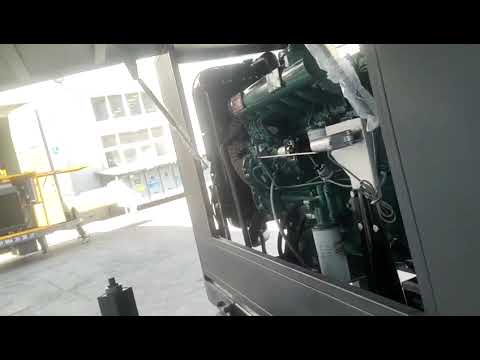
Fallbeispiele
JBS40 Elektrotyp in Namibia

JBS40 Dieseltyp in Osttimor

JBS40 Dieseltyp auf Fidschi

HBTS40 Dieseltyp in Kenia

Unterschied zwischen Betonmischpumpe und anderen Pumpen
Selbstverständlich! Im Folgenden vergleichen wir Mischpumpen mit anderen Arten von Betonpumpen aus verschiedenen Blickwinkeln:
Funktionalität:
- Mischpumpe: Mischt und pumpt Beton gleichzeitig, wodurch eine Mischung direkt vor Ort und eine kontinuierliche Verlegung möglich ist.
- Anhängerfahrzeugpumpe: Pumpen allein – vorgemischter Beton muss angeliefert werden.
- Fahrzeugmontierte Pumpe: Verfügt über integrierte Mischfunktion und pumpt Beton direkt vom Fahrzeug aus.
- Stationäre Pumpe: Wird hauptsächlich für kontinuierlichen Betonfluss an festen Standorten eingesetzt.
Mobilität und Flexibilität:
- Mischpumpe: Relativ mobil und für kleine bis mittlere Projekte geeignet.
- Anhängerfahrzeugpumpe: Sehr mobil und kann zu verschiedenen Baustellen abgezogen werden.
- Fahrzeugmontierte Pumpe: Bietet Mobilität und Flexibilität durch integrierte Mischvorrichtung und Auslegeranlage.
- Stationäre Pumpe: Nicht mobil; wird an einem Standort für langfristige Projekte installiert.
Betonverlegung und Reichweite:
- Mischpumpe: Bietet vielseitige Möglichkeiten zur Betonverlegung mittels Rohrleitung.
- Anhängerfahrzeugpumpe: Kann Beton über flexible oder starre Rohrleitungen fördern.
- Fahrzeugmontierte Pumpe: Kombiniert Misch- und Pumpfunktion und erreicht höhere Höhen sowie größere Entfernungen.
- Stationäre Pumpe: Wird typischerweise bei Großprojekten mit langstreckiger Betonverlegung eingesetzt.
Fördermenge und Geschwindigkeit:
- Mischpumpe: Geeignet für kleinere Betonmengen mit mäßiger Pumpgeschwindigkeit.
- Anhängerfahrzeugpumpe: Kann größere Mengen mit höherer Pumpgeschwindigkeit fördern.
- Fahrzeugmontierte Pumpe: Stellt hohe Betonmengen mit effizienten Fördergeschwindigkeiten bereit.
- Stationäre Pumpe: Für Großprojekte konzipiert und bietet hohe Fördermengen sowie kontinuierlichen Betonfluss.
Eignung für unterschiedliche Projekte:
- Mischpumpe: Ideal für Wohnbau- und kleine bis mittlere Bauprojekte.
- Anhängerfahrzeugpumpe: Wird häufig auf mittleren bis großen Baustellen sowie bei Hochhausbauten eingesetzt.
- Fahrzeugmontierte Pumpe: Vielseitig einsetzbar und für eine breite Palette von Projekten geeignet, darunter Hochhausbau und Infrastrukturprojekte.
- Stationäre Pumpe: Für Großprojekte wie Dämme, Brücken und Kraftwerke ausgelegt.
Zusammenfassend lässt sich sagen: Mischpumpen zeichnen sich durch ihre Vor-Ort-Mischung und kontinuierliche Betonverlegung bei kleinen bis mittleren Projekten aus. Anhängerfahrzeugpumpen sind äußerst mobil und für verschiedene Baustellen geeignet, während fahrzeugmontierte Pumpen Vielseitigkeit und integrierte Mischfunktion bieten. Stationäre Pumpen gewährleisten kontinuierlichen Betonfluss bei Großprojekten. Die Wahl hängt von den Projektanforderungen, Mobilitätsbedürfnissen, der erforderlichen Verlegedistanz und der gewünschten Fördermenge ab.
Weitere Geräte, die Sie möglicherweise benötigen
Leistung: 40–320 t/h
Leistung: 25–240 m³/h
Nennleistung: 36,8–110 kW
Fassungsvermögen: 0,2–1,2 m³
Fassungsvermögen: 1,2–6,5 m³
Technische Daten der Betonmischpumpe
Detaillierte technische Daten der dieselbetriebenen Betonmischerpumpe:
| Position | Dieseltyp JBS30-6-52R | Dieseltyp JBS40-10-82R | Dieseltyp JBS50-10-92R | |
| Max. theoretische Betonleistung (L/h) | m³/h | 30 | 40 | 50 |
| Nennfüllkapazität des Mischers | m³ | 0.56 | 0.56 | 0.56 |
| Nennentleistungskapazität des Mischers | m³ | 0.45 | 0.45 | 0.45 |
| Max. Betonpumpdruck (H./L.) | MPa | 6 | 10 | 10 |
| Typ des Verteilungsventils | S-Ventil | S-Ventil | S-Ventil | |
| Durchmesser × Hub des Betonzylinders | mm | Ф200×500 | Φ180/1000 | Ф200×800 |
| Dieselmotor-Modell | Yuchai/Weichai | Weichai Deutz WP4G110E220 | Yuchai 92 kW | |
| Leistung des Dieselmotors | kW | 52 | 82 | 92 |
| Schaltkreistyp | Offener Kreislauf | Offener Kreislauf | Offener Kreislauf | |
| Max. theoretische vertikale/horizontale Förderstrecke | m | 120/300 | 120/500 | 130/600 |
| Max. Korngröße des Zuschlags | mm | Gleit-/Schreie: 20–40 | Glatt/Steinschlag: 40/50 | Glatt/Steinschlag: 40/50 |
Detaillierte Spezifikationen der elektrisch betriebenen Betonmischerpumpe:
| Position | Elektrischer Typ JBS30-10-37 | Elektrischer Typ JBS40-10-45 | |
| Max. theoretische Betonleistung (L/h) | m³/h | 30 | 40 |
| Nennfüllkapazität des Mischers | m³ | 0.56 | 0.56 |
| Nennentleistungskapazität des Mischers | m³ | 0.45 | 0.45 |
| Max. Betonpumpdruck (H./L.) | MPa | 10 | 10 |
| Typ des Verteilungsventils | S-Ventil | S-Ventil | S-Ventil |
| Wicklungsmotorleistung | kW | 5.5 | 5.5 |
| Rührmotorleistung | kW | 4.5 | 4.5 |
| Wasserpumpenmotorleistung | kW | 0.55 | 0.55 |
| Elektrotechnische Leistung | kW | 37 | 45 |
| Drehzahl | 1/min | 1480 | 1480 |
| Schaltkreistyp | Offener Kreislauf | Offener Kreislauf | |
| Pumpdrucksystem | MPa | 28 | 28 |
| Öltankkapazität | L | 260 | 370 |
| Max. theoretische vertikale/horizontale Förderstrecke | m | 120/300 | 120/500 |
| Max. Korngröße des Zuschlags | mm | Gleit-/Schreie: 20–40 | Glatt/Steinschlag: 40/50 |
Anwendungsgebiete der Betonmischpumpe
Eine zum Verkauf stehende Betonpumpe mit Mischer, auch Mischpumpe genannt, findet in Bauprojekten zahlreiche Anwendungsmöglichkeiten. Zu den gängigsten zählen:
Wohnbau: Mischerpumpen werden in Wohnbauprojekten häufig für Aufgaben wie das Gießen von Fundamenten, den Bau von Böden und den Aufbau von Wänden eingesetzt. Die Möglichkeit, Beton direkt vor Ort zu mischen und zu pumpen, macht sie für diese Anwendungen äußerst effizient.
Gewerbebau: Mischerpumpen eignen sich für verschiedene gewerbliche Bauprojekte, darunter der Bau von Geschäftsgebäuden, Lagern und Einzelhandelsflächen. Sie können die Betonverlegeanforderungen dieser Projekte effizient bewältigen, insbesondere wenn ein kontinuierliches Betongießen erforderlich ist.
Infrastrukturprojekte: Mischerpumpen finden Anwendung in Infrastrukturprojekten wie Straßenbau, Brücken- und Tunnelbau. Sie können Beton an abgelegene oder schwierig zugängliche Standorte liefern, darunter erhöhte Konstruktionen oder Baustellen mit eingeschränktem Zugang.
Industriebau: Mischerpumpen werden häufig in Industriebauprojekten wie Fabriken, Kraftwerken und Produktionsstätten eingesetzt. Ihre Fähigkeit, Beton direkt vor Ort zu mischen und ihn schnell sowie präzise zu transportieren, macht sie für die Effizienz dieser Projekte entscheidend.
Sanierung und Umbau: Mischerpumpen sind auch bei Sanierungs- und Umbauprojekten von Vorteil, bei denen eine zuverlässige und effiziente Betonzufuhr erforderlich ist. Sie können für Aufgaben wie Bodenausgleich, strukturelle Reparaturen und das Aufbringen von Betonüberzügen verwendet werden.
Pool- und Landschaftsbau: Mischerpumpen werden häufig beim Bau von Swimmingpools und Landschaftsgestaltungen eingesetzt. Sie ermöglichen eine präzise und kontrollierte Betonverlegung in verschiedenen Formen und Konfigurationen, darunter Poolfundamente, Terrassen und dekorative Elemente wie Wege und Stützmauern.
Abgelegene Baustellen: Mischerpumpen eignen sich besonders für Bauprojekte in abgelegenen Gebieten oder an Standorten mit begrenztem Zugang zu Betonmischanlagen. Ihre Fähigkeit, Beton direkt vor Ort zu mischen, senkt die Transportkosten und gewährleistet eine frische sowie konsistente Betonzufuhr.
Betonbedarf nach Bedarf: Mischerpumpen sind wertvoll für Projekte, bei denen kleine bis mittlere Betonmengen in regelmäßigen Abständen benötigt werden. Sie können bei Anwendungen wie Bodenverlegung, Betonreparaturen und kleineren Bauprojekten vorteilhaft sein, bei denen eine sofortige Betonverlegung entscheidend ist.
. Zertifizierungen
Unsere Zertifizierungen


Preis der Betonmischpumpe
| Modell | Preisspanne |
| Dieselbetriebene Betonmischpumpe | $10.000 – $40.000 |
| Elektrisch betriebene Betonmischpumpe | $10.000 – $40.000 |
Unsere Betonmischpumpen sind wettbewerbsfähig preisgünstig; die angegebene Spanne dient lediglich als Orientierung. Der endgültige Preis kann jedoch von mehreren Faktoren beeinflusst werden, darunter Modell, Kapazität, technologische Merkmale sowie zusätzliche Spezifikationen, die Sie eventuell benötigen.
Der Preis kann zudem je nach gewählten Individualisierungsleistungen variieren, da wir stets bemüht sind, Ihre spezifischen Projektanforderungen und Budgetvorgaben zu erfüllen. Wir bieten einen maßgeschneiderten Service an, mit dem Sie Ihre Betonmischpumpe exakt Ihren Anforderungen entsprechend konfigurieren können.
Denken Sie daran: Die Investition in unsere Geräte bedeutet nicht nur einen einmaligen Anschaffungspreis, sondern vor allem Wert, Effizienz und langfristige Einsparungen.
Faktoren, die den Preis einer Betonmischpumpe beeinflussen
Der Preis einer Betonmischpumpe kann von verschiedenen Faktoren beeinflusst werden. Nachfolgend finden Sie einige wesentliche Faktoren, die die Preisgestaltung beeinflussen können:
- Kapazität und Leistung: Die Größe und Kapazität der Mischerpumpe kann ihren Preis erheblich beeinflussen. Mischerpumpen mit größerer Kapazität und höherer Leistungsfähigkeit sind in der Regel teurer als kleinere oder weniger leistungsstarke Modelle.
- Marke und Qualität: Renommierte Marken, die hochwertige und zuverlässige Mischerpumpen anbieten, verlangen oft einen höheren Preis. Der Ruf, die Haltbarkeit und die nachgewiesene Leistungsfähigkeit einer Marke können sich auf die Preisgestaltung auswirken.
- Ausstattung und Technologie: Fortschrittliche Ausstattungsmerkmale und technologische Innovationen, die in eine Mischerpumpe integriert sind, können deren Preis beeinflussen. Beispiele hierfür sind Fernsteuerungssysteme, automatische Betriebsmodi, integrierte Steuerpanele sowie fortschrittliche Hydrauliksysteme, die den Preis erhöhen können.
- Mobilität und Flexibilität: Die Mobilität und Flexibilität einer Mischerpumpe kann sich auf ihren Preis auswirken. Mischerpumpen mit höherer Mobilität – beispielsweise Anhänger- oder Lkw-gemountete Pumpen – können einen höheren Preis haben als stationäre Modelle.
- Zubehör und Anbauteile: Zusätzliches Zubehör oder Anbauteile, die mit der Mischerpumpe geliefert werden – wie Verlängerungsrinnen, Ersatzteile, Rohrleitungen oder optionale Komponenten – können den Gesamtpreis beeinflussen.
- Marktbedingungen: Marktnachfrage und -angebot, einschließlich Faktoren wie Wechselkurse, Inflation und Herstellungskosten, können die Preisgestaltung von Betonmischpumpen beeinflussen. Schwankungen bei den Rohstoffpreisen, der Verfügbarkeit von Komponenten oder dem Wettbewerb auf dem Markt können ebenfalls Auswirkungen auf die Preise haben.
- After-Sales-Support und Service: Hersteller, die umfassenden After-Sales-Support, Garantieleistungen und Service-Netzwerke anbieten, gestalten ihre Preise entsprechend. Die Verfügbarkeit von Ersatzteilen sowie der Ruf des Kundenservice des Herstellers können ebenfalls die Preisgestaltung beeinflussen.
- Weitere Faktoren: Weitere Faktoren, die den Preis beeinflussen können, umfassen individuelle Anpassungen oder Modifikationen zur Erfüllung spezifischer Projektanforderungen, Transport- und Lieferkosten sowie ggf. anfallende Steuern oder Importzölle.
Bei der Bewertung des Preises einer Betonmischpumpe ist es wichtig, die spezifischen Anforderungen Ihres Projekts zu berücksichtigen und diese mit Ihrem Budget in Einklang zu bringen. Es empfiehlt sich, mehrere Lieferanten zu vergleichen, Angebote anzufordern und die langfristige Leistungsfähigkeit und Zuverlässigkeit der Ausrüstung stärker zu berücksichtigen als ausschließlich den Erstpreis.
Hersteller/Lieferanten von Betonmischpumpen
Wenn Sie nach einem zuverlässigen Hersteller oder Lieferanten von Betonmischpumpen suchen, sollten Sie mehrere Schlüsselfaktoren berücksichtigen:
Ruf und Erfahrung: Wählen Sie einen Hersteller oder Lieferanten mit einem starken Ruf und langjähriger Erfahrung in der Baumaschinenbranche. Achten Sie auf Unternehmen, die bereits seit einer beträchtlichen Zeit im Geschäft sind und eine nachweisbare Erfolgsbilanz bei der Lieferung hochwertiger Produkte und Dienstleistungen vorweisen können.
Qualität und Langlebigkeit: Prüfen Sie die Qualität und Langlebigkeit der von dem Hersteller oder Lieferanten angebotenen Betonmischpumpen. Berücksichtigen Sie Faktoren wie die verwendeten Materialien, die Fertigungsverfahren sowie die vorhandenen Qualitätskontrollmaßnahmen. Hochwertige Komponenten und eine robuste Konstruktion gewährleisten die Langlebigkeit und Leistungsfähigkeit der Maschine.
Fortschrittliche Technologie und Innovation: Suchen Sie nach Herstellern oder Lieferanten, die fortschrittliche Technologien und Innovationen in ihre Betonmischpumpen integrieren. Funktionen wie automatisierte Betriebsmodi, Fernsteuerungssysteme, fortschrittliche Hydrauliksysteme und energieeffiziente Designs können Produktivität und Effizienz steigern.
Modellvielfalt und Optionen: Wählen Sie einen Hersteller oder Lieferanten, der eine breite Palette an Betonmischpumpen-Modellen für Ihre spezifischen Anforderungen bietet. Die Verfügbarkeit verschiedener Optionen hinsichtlich Kapazität, Leistung, Mobilität (anhänger- oder fahrzeugmontiert oder stationär) sowie individuell anpassbarer Merkmale ermöglicht es Ihnen, die am besten geeignete Maschine für Ihre Projekte auszuwählen.
After-Sales-Support und Service: Berücksichtigen Sie den Kundenservice und die After-Sales-Unterstützung des Herstellers oder Lieferanten. Ein zuverlässiges Unternehmen sollte eine umfassende Garantie, schnelle technische Unterstützung, stets verfügbare Ersatzteile sowie ein gut etabliertes Servicenetzwerk anbieten. Dadurch wird sichergestellt, dass eventuelle Probleme oder Wartungsanforderungen zügig und effizient behoben werden können.
Kundenbewertungen und Feedback: Informieren Sie sich online über Kundenbewertungen und Feedback, um Einblicke in die Erfahrungen anderer Käufer zu erhalten. Positive Bewertungen und Empfehlungen zufriedener Kunden können auf die Zuverlässigkeit und Seriosität des Herstellers oder Lieferanten hinweisen.
Preis und Preis-Leistungs-Verhältnis: Obwohl der Preis nicht allein ausschlaggebend sein sollte, ist es wichtig, die Preise der von verschiedenen Herstellern oder Lieferanten angebotenen Betonmischpumpen zu vergleichen. Streben Sie ein ausgewogenes Verhältnis zwischen Qualität, Ausstattung und Preis an, um ein gutes Preis-Leistungs-Verhältnis sicherzustellen.
In wie vielen Ländern ist unsere Betonmischerpumpe bereits angekommen?
Unsere Betonmischerpumpe wurde in folgende Länder exportiert, darunter (ohne Anspruch auf Vollständigkeit):
- Afrika: Simbabwe, Kenia, Tansania,
- Asien: Philippinen, Malaysia, Indonesien, Papua-Neuguinea, Osttimor, Salomonen, Vanuatu, Fidschi, Tonga
- Nordamerika: Mexiko, Belize, Guatemala, El Salvador, Jamaika, Dominica, St. Lucia, St. Vincent, Trinidad und Tobago
- Südamerika: Guyana, Ecuador, Bolivien, Uruguay
Aktuelles Projekt in Mexiko: Bau eines neuen Hochhauses
Zeit: 18/03/2024
Die Betonmischerpumpe war in der Lage, Beton schnell und effizient in die oberen Stockwerke des Gebäudes zu pumpen und so Zeit sowie Personalkosten einzusparen.
Aktuelles Projekt in Tansania: Bau einer neuen Autobahn in Tansania
Geräte: 05/03/2024
Ergebnis: Die beiden Betonmischerpumpen konnten die Nachfrage nach Beton stetig decken und gewährleisteten so den termingerechten und budgetkonformen Abschluss der Autobahn.
Aktuelles Projekt in den Philippinen: Bau einer neuen Brücke auf den Philippinen
Zeit: 27/02/2024
Die drei Betonmischerpumpen konnten Beton in schwer zugängliche Bereiche der Brücke pumpen und so sicherstellen, dass die Brücke höchsten Qualitätsstandards entsprach.
Unsere Betonmischerpumpe ist eine hochwertige, langlebige Maschine, die sich ideal für eine Vielzahl von Bauprojekten eignet. Falls Sie nach einer Betonmischerpumpe suchen, laden wir Sie ein, uns noch heute zu kontaktieren, um mehr über unsere Produkte und Dienstleistungen zu erfahren.
Betonmischpumpe im Vergleich zur Betonpumpe
Betonmischpumpen sind Maschinen, die Beton sowohl mischen als auch pumpen. Damit stellen sie eine vielseitigere Option dar als Betonpumpen, die ausschließlich bereits gemischten Beton fördern können.
Vorteile von Betonmischpumpen:
- Mischen und Pumpen von Beton in einem Arbeitsgang: Dadurch werden Zeit und Personalkosten gespart.
- Höhere Portabilität als Betonpumpen: Betonmischpumpen sind auf einem Lkw-Chassis montiert, was den Transport von Baustelle zu Baustelle erleichtert.
- Einsatz in einer breiteren Vielfalt von Anwendungen möglich: Betonmischpumpen können zum Einbringen von Betondecken, Fundamenten, Wänden und anderen Konstruktionen verwendet werden.
Vorteile von Betonpumpen:
- Förderung von Beton über größere Entfernungen: Betonpumpen können Beton über größere Entfernungen fördern als Betonmischpumpen.
- Förderung von Beton auf höhere Ebenen: Betonpumpen können Beton auf höhere Ebenen fördern als Betonmischpumpen.
- Einsatz mit einer breiteren Palette von Betonmischungen: Betonpumpen können mit einer breiteren Palette von Betonmischungen eingesetzt werden als Betonmischpumpen.
Letztendlich hängt die beste Wahl für Ihr Projekt von den spezifischen Anforderungen des jeweiligen Auftrags ab. Falls Sie Beton in einem Arbeitsgang mischen und pumpen müssen und eine portable Maschine benötigen, die in verschiedenen Anwendungsbereichen eingesetzt werden kann, ist eine Betonmischpumpe eine gute Wahl. Falls Sie Beton über größere Entfernungen oder auf höhere Ebenen fördern müssen, ist eine Betonpumpe die bessere Alternative.
In der folgenden Tabelle werden die wichtigsten Unterschiede zwischen Betonmischpumpen und Betonpumpen zusammengefasst:
| Merkmal | Betonmischpumpe | Betonpumpe |
|---|---|---|
| Kann Beton mischen und pumpen | Ja | Nein |
| Transportfähigkeit | Höhere Transportfähigkeit | Geringere Transportfähigkeit |
| Vielseitigkeit | Höhere Vielseitigkeit | Geringere Vielseitigkeit |
| Pumpdistanz | Kürzer | Länger |
| Pump-Höhe | Niedriger | Höher |
| Betonmischungs-Kompatibilität | Engerer Bereich | Breiterer Bereich |
Wie funktioniert eine Betonmischerpumpe mit Mischanlage?

Eine Betonmischerpumpe und eine Mischanlage arbeiten zusammen, um Beton herzustellen und auf die Baustelle zu liefern. Die Mischanlage mischt die Betonzutaten, während die Betonmischerpumpe den gemischten Beton an die gewünschte Stelle pumpt.
Die Betonmischerpumpe wird üblicherweise in der Nähe der Betonmischanlage positioniert. Ein Schlauch verbindet die Betonmischerpumpe mit der Austragsrinne der Mischanlage.
Sobald die Betonmischerpumpe mit der Mischanlage verbunden ist, beginnt die Mischanlage, Beton in das Einfülltrichter der Betonmischerpumpe abzugeben. Die Betonmischerpumpe mischt den Beton anschließend und pumpt ihn über den Schlauch an die gewünschte Stelle.
Die Betonmischpumpe eignet sich zum Pumpen von Beton über große Entfernungen und bis zu großen Höhen. Damit ist sie die ideale Wahl für Projekte wie Hochhäuser, Brücken und Tunnel.
Was ist die Konsistenz von Beton?
Die Konsistenz von Beton ist ein Maß dafür, wie leicht er eingegossen und verarbeitet werden kann. Sie wird durch das Wasser-Zement-Verhältnis (W/Z-Verhältnis) der Betonmischung bestimmt. Ein niedrigeres W/Z-Verhältnis ergibt einen steiferen, weniger verarbeitbaren Beton, während ein höheres W/Z-Verhältnis einen fließfähigeren, besser verarbeitbaren Beton ergibt.
Die Konsistenz von Beton ist wichtig, weil sie die folgenden Eigenschaften des Betons beeinflusst:
- Verarbeitbarkeit: Die Leichtigkeit, mit der der Beton eingebracht und verdichtet werden kann.
- Leistung: Die Druckfestigkeit und Biegezugfestigkeit des Betons.
- Langlebigkeit: Die Beständigkeit des Betons gegenüber Witterungseinflüssen, Chemikalien und Abrieb.
Die ideale Konsistenz von Beton variiert je nach Anwendungsfall. Beispielsweise muss Beton für Fundamentguss steifer und weniger verarbeitbar sein als Beton für Plattendurchguss.
Es gibt eine Reihe von Faktoren, die die Konsistenz von Beton beeinflussen können, darunter:
- Das Wasser-Zement-Verhältnis: Das W/Z-Verhältnis ist der wichtigste Faktor, der die Konsistenz von Beton beeinflusst. Ein niedrigeres W/Z-Verhältnis ergibt einen steiferen Beton, während ein höheres W/Z-Verhältnis einen fließfähigeren Beton ergibt.
- Die Zementsorte: Verschiedene Zementsorten haben unterschiedliche Wasseranforderungen. So benötigt Portlandzement beispielsweise mehr Wasser als Mauerzement.
- Die Art der Gesteinskörnung: Größe, Form und Korngrad der Gesteinskörnung können die Konsistenz von Beton beeinflussen. So ist eine Betonmischung mit viel Feinkorn besser verarbeitbar als eine Betonmischung mit viel Grobkorn.
- Das Vorhandensein von Zusatzmitteln: Zusatzmittel sind chemische Stoffe, die dem Beton zugesetzt werden können, um dessen Eigenschaften zu verändern. Einige Zusatzmittel erhöhen die Verarbeitbarkeit von Beton, andere verringern sie.
Es ist wichtig, die Konsistenz von Beton sorgfältig zu kontrollieren. Ist der Beton zu steif, lässt er sich schwer einbringen und verdichten, was zu Hohlräumen und anderen Fehlern im Beton führen kann. Ist der Beton zu fließfähig, lässt er sich schwer kontrollieren, was zur Entmischung der Gesteinskörnung und anderen Problemen führen kann.
Die Konsistenz von Beton kann mittels eines Einsturzversuchs (Slump-Test) gemessen werden. Der Slump-Test misst, wie stark eine Probe Beton nach dem Einbringen in eine kegelförmige Form und deren Entfernung absackt. Der Slump wird in Millimetern (mm) angegeben.
Der ideale Slump für Beton variiert je nach Anwendungsfall. So liegt der Slump für Fundamentbeton typischerweise bei 50–75 mm, während der Slump für Plattenbeton üblicherweise bei 100–150 mm liegt.
Wie gewährleistet unsere Betonmischpumpe die Konsistenz von Beton?
Unsere Betonmischpumpe gewährleistet die Konsistenz von Beton durch eine präzise Steuerung des Wasser-Zement-Verhältnisses (W/Z-Verhältnis) der Betonmischung. Das W/Z-Verhältnis ist der wichtigste Faktor, der die Konsistenz von Beton beeinflusst. Ein niedrigeres W/Z-Verhältnis ergibt einen steiferen, weniger verarbeitbaren Beton, während ein höheres W/Z-Verhältnis einen fließfähigeren, besser verarbeitbaren Beton ergibt.
Unsere Betonmischpumpe ist mit einem computergesteuerten Regelungssystem ausgestattet, das das W/Z-Verhältnis der Betonmischung in Echtzeit überwacht. Das Regelungssystem passt automatisch die Wassermenge an, die der Betonmischung zugeführt wird, um sicherzustellen, dass das W/Z-Verhältnis auf dem gewünschten Niveau gehalten wird.
Neben der Steuerung des W/Z-Verhältnisses verwendet unsere Betonmischpumpe auch eine Vielzahl weiterer Techniken, um die Konsistenz von Beton sicherzustellen, darunter:
- Einsatz hochwertiger Materialien: Wir verwenden ausschließlich Zement, Gesteinskörnung und Zusatzmittel höchster Qualität in unserer Betonmischung. Dies trägt dazu bei, dass der Beton fest, dauerhaft und konsistent ist.
- Gründliches Mischen des Betons: Unsere Betonmischpumpe nutzt ein Hochenergiemischsystem, um sicherzustellen, dass der Beton vollständig durchmischt wird. Dadurch wird eine Entmischung der Betonbestandteile verhindert und eine gleichmäßige Beschaffenheit des Betons gewährleistet.
- Kontrollierte Fördergeschwindigkeit des Betons: Unsere Betonmischpumpe fördert den Beton mit einer kontrollierten Geschwindigkeit, um eine Entmischung der Betonbestandteile zu vermeiden. Dadurch wird sichergestellt, dass der Beton gleichmäßig und konsistent eingebracht wird.
Durch die Steuerung des W/Z-Verhältnisses sowie den Einsatz einer Vielzahl weiterer Techniken gewährleistet unsere Betonmischpumpe eine konsistente Betonqualität von Charge zu Charge. Dies trägt dazu bei, dass der Beton die Projektvorgaben erfüllt und das fertige Produkt fest, dauerhaft und optisch ansprechend ist.